All posts by islam

Qalibaf: US failed to earn Iran’s trust in Islamabad talks; ‘diplomacy of power’ to continue

EHRAN- Iran’s Parliament Speaker, Mohammad Bagher Qalibaf, said the United States has yet to earn Tehran’s trust following the latest round of negotiations held in Islamabad.

In a post on X on Sunday, Qalibaf, who headed Iran’s negotiating delegation, stated that the talks concluded without tangible results, as the American side failed to convince Iranian officials of its credibility.

“Before the negotiations, I emphasized that we possess the necessary goodwill and determination. However, based on the experience of two previous wars, we do not trust the other side,” he wrote. “Members of the Iranian delegation presented constructive initiatives, but ultimately, the opposing side was unable to gain the trust of the Iranian team during this round.”

He added that the United States had come to understand Iran’s logic and principles, stressing that Washington must now decide whether it is capable of building trust with Tehran.

Qalibaf further underscored that Iran will continue to pursue a “diplomacy of power” alongside its military resistance, describing the approach as essential to safeguarding the rights of the Iranian people. He noted that efforts to consolidate the achievements of “forty days of national defense” would remain ongoing.

The speaker also expressed gratitude to Pakistan for hosting and facilitating the negotiations, and praised the Iranian public for their support, saying they had rallied in large numbers in response to guidance from the country’s leadership. He also commended his negotiating team for their efforts during the “intensive 21-hour talks.”

Senior Iranian and US officials met in Islamabad on Saturday to explore a permanent resolution to the US-Israeli war against Iran, following a two-week ceasefire between Iran and the United States. The discussions ended without an agreement.

Tehran Times

After 40 days of Iran’s resistance, a fragile two-week ceasefire

TEHRAN – After 40 days of war, Iran and the United States have agreed to a two-week ceasefire to negotiate based on a 10-point peace plan that Iran submitted through Pakistan last week. The first round of talks is scheduled for Friday in Islamabad—provided that Israel does not succeed in destroying the ceasefire, which it began violating just hours after the agreement was announced by Pakistan and the warring parties.

The Prime Minister of Pakistan, a country that maintains good relations with both Iran and the United States, was the first to break the news. In a post on X, Prime Minister Shehbaz Sharif stated that the ceasefire halts the exchange of fire between Iran and the United States, as well as Israeli bombing of Lebanon. He expressed hope that the Islamabad Talks would achieve “sustainable peace” in West Asia.

U.S. President Donald Trump said in a social media post that Washington had deemed Iran’s 10-point plan “a workable basis on which to negotiate.”

U.S. War Secretary Pete Hegseth claimed during a press conference on Wednesday that the Trump administration had achieved all of its war objectives, which included preventing Iran from developing nuclear weapons. He added that Iran no longer has “any sort of a comprehensive air defense system” and that “their missile program is functionally destroyed.”

Iran has never moved toward developing nuclear weapons—a fact confirmed by the most comprehensive inspection regime of the IAEA, which had been ongoing since 2015 until the U.S. bombed Iran’s nuclear facilities in June and claimed to have “obliterated” them. Iranians participated in a second round of negotiations with Washington in February to reach a deal that would limit their nuclear program and ensure it would not develop nuclear weapons, but the Trump administration derailed those talks as well by launching the recent war on February 28. According to a fatwa (religious decree) issued by the late Leader of the Islamic Revolution, Ayatollah Seyyed Ali Khamenei, Iranians are not permitted to develop nuclear weapons. His son, Ayatollah Seyyed Mojtaba Khamenei, who now succeeds him, has yet to repeal that decree.

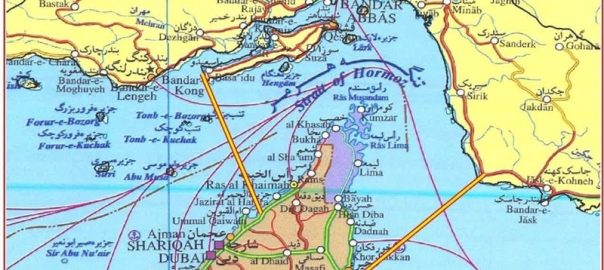
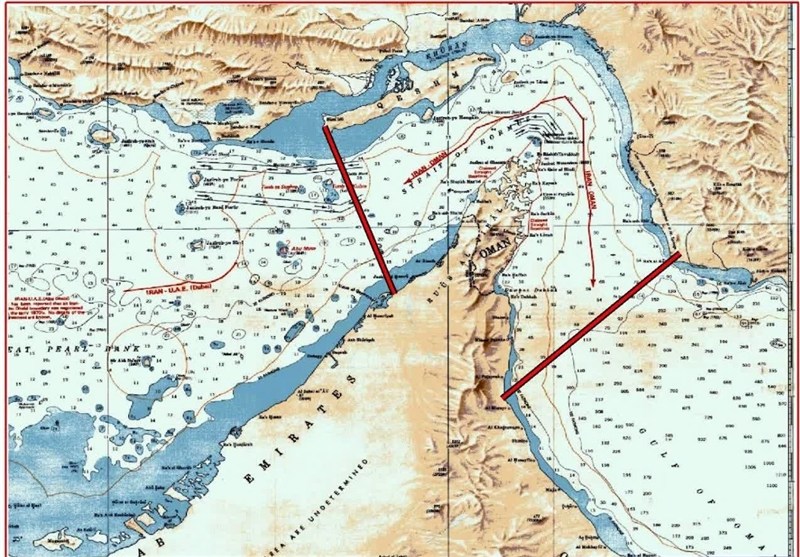
Hegseth’s claims about degrading Iran’s missile program and air defense systems also lack evidence on the ground. Iran continuously fired missiles and drones at U.S. bases across seven countries, as well as at Israel, since the war began. In its latest wave of attacks—the 100th, conducted on Wednesday—it struck 25 positions across Israel and the Persian Gulf. Iran also kept the Strait of Hormuz closed to ships belonging to hostile governments throughout the entire war, and for the next 14 days, vessels will only be allowed passage in coordination with Iran’s military.

During his briefing, Hegseth asserted, “Iran begged for this ceasefire—and we all know it… Operation Epic Fury was a historic and overwhelming victory on the battlefield.” However, sources have told the Tehran Times that the U.S. War Secretary’s remarks are completely false, and that it was Washington that “begged” Iran for a ceasefire.

US lost a war it began due to delusions

Analysts say Trump’s war was based on a miscalculation: by assassinating Ayatollah Khamenei on the first day of the war and carrying out a relentless bombing campaign on civilian sites, they believed either the Iranian people would topple the Islamic Republic or the government would be forced to capitulate. Some reports suggest Israel was the mastermind behind the war.

Instead, Iranians rallied behind the Islamic Republic, taking to the streets nightly to express support for their government despite nonstop U.S.-Israeli bombardment. Iranian officials also refused to back down, and despite the constant threat of assassination, stated they would carry out their duties and gladly die for their country. Multiple high-ranking Iranian officials, including Security Chief Ali Larijani, were assassinated over the past 40 days, but each was replaced by an equally determined successor.

The Trump administration also grossly underestimated Iran’s military strength, analysts say. Reports suggest at least 70% of American bases across West Asia now lie in ruins. Energy prices have increased significantly due to the situation at the Strait of Hormuz, and the global economic fallout is expected to persist even if the war ends indefinitely.

Iran has stated it remains ready to resume all-out war against U.S. and Israeli interests should it determine that Americans are once again not serious about diplomacy. In a statement, the Khatam al-Anbiya Central Headquarters, the body overseeing the war, said it would await the outcome of the negotiations but affirmed that it has its “finger on the trigger.”

Hebrew media reports indicate that Israel is unhappy with the ceasefire and the prospect of an agreement. The regime’s actions have confirmed those reports. Israel attacked an oil refinery on southern Lavan Island on Wednesday morning, to which Iran responded by striking U.S.-linked energy sites in the UAE and Kuwait.

Israel also carried out one of its deadliest massacres against Lebanon after the ceasefire was announced, killing and injuring hundreds of people in bombings across Beirut. Sources have told Fars News Agency that Iran is preparing to respond to those attacks as well.

Joe Kent, former director of the U.S. National Counterterrorism Centre, who resigned in March in protest of the war against Iran, said in a video message posted on X that Washington must ensure that “Israelis do not sabotage” the ceasefire agreement between the U.S. and Iran.

“The last thing we need is the Israelis doing what they have done in past negotiations—targeting the negotiators or taking a series of strikes that escalates the conflict,” Kent stated.

Tehran Times

IRGC Downs Israeli Drone South of Iran, Vows Harsh Response to Any Ceasefire Violation

TEHRAN (Tasnim) – The Islamic Revolution Guards Corps (IRGC) said its forces shot down an Israeli UAV in the airspace of Iran’s southern province of Fars on Wednesday afternoon, warning the Zionist regime and the US that violation of a temporary ceasefire won’t go unanswered.

The IRGC announced on Wednesday evening that an Israeli Hermes 900 drone has been destroyed in the skies over Fars Province.

It said the advanced Israeli drone was intercepted and destroyed over Lar, using the IRGC’s new aerospace defense system, which operates under the integrated air defense network of Iran.

The IRGC made it clear that the entry of any aircraft of the American and Zionist enemies into Iranian airspace—even without military operations—will be considered a violation of the ceasefire, warning that a decisive response will be delivered to such breaches.

The US and the Israeli regime launched a large-scale unprovoked military campaign against Iran following the assassination of then Leader of the Islamic Revolution Ayatollah Seyed Ali Khamenei, along with several senior military commanders and civilians on February 28.

In retaliation, Iranian Armed Forces launched attacks on American and Israeli positions in the region, demonstrating their capability to strike back effectively. Despite initial expectations by the attackers of a swift victory, the Iranian response proved significantly more potent, inflicting heavy damage on US and Israeli military resources while rallying the nation’s unity and resistance.

While the US president had issued an ultimatum, Pakistani mediation facilitated an agreement for a two-week ceasefire during which negotiations would take place in Islamabad. Iran has proposed a ten-point plan as the foundation for discussions, seeking terms such as the withdrawal of US forces from the region, lifting sanctions, and establishing control over the Strait of Hormuz.

The Supreme National Security Council of Iran emphasized on April 8 that the aggression led to a historic victory for Iran, compelling the US to accept negotiation terms, including a plan for guaranteed non-aggression and the cessation of hostilities.

Iran has stressed that the negotiations would not signify an end to the conflict but rather an extension of the battlefield into diplomatic efforts, with a clear stance of distrust towards the US.

Tasnim News Agency

Iran may rise in ‘full-scale defense’ any moment as Israel violates truce agreement: Official

Iran could rise up in full-scale defense at any moment as the Israeli regime is resorting to violation of a fragile and temporary ceasefire, a senior security official has warned.

Speaking exclusively to Press TV on Wednesday, the official said the entire world is currently witnessing the regime destabilize the already tenuous truce reached earlier in the day.

According to the official, the regime is raising the cost of the agreement for the United States by breaching the ceasefire while simultaneously carrying out aggression against Lebanon and attacking Iran.

The highly placed official called on mediating countries to intervene immediately, stating that the time has come to “put this aggressor regime in its place.”

He further warned that if the ceasefire collapses, the Zionist regime will be held solely responsible, vowing that Iran “will punish the aggressor.”

The official also cautioned that the current period of ease, which followed the controlled reopening of the Strait of Hormuz, would come to a swift end if the violations continue.

Earlier on Wednesday, Iran declared a “historic victory” following the war of aggression by the United States and the Israeli regime that lasted 40 days, announcing that Washington had been forced to accept a 10-point Iranian proposal.

One of the points in the proposal called for the immediate cessation of US-Israeli hostilities on all fronts, including in Lebanon.

However, hours after the ceasefire was announced, the Israeli regime targeted multiple locations in Lebanon, including the capital, Beirut, killing hundreds of civilians.

According to reports, Israel launched at least 100 airstrikes in under 10 minutes, targeting areas across the country. Local media said that at least 88 people were killed in Beirut alone.

It was described as the heaviest Israeli bombardment against Lebanon since the regime started fresh aggression on the Arab country in early March, concurrent with the war of aggression against the Islamic Republic of Iran.

Press TV

Guardians of strength and sacrifice

TEHRAN – From early moments of the war, women and girls have borne a growing share of its human cost. Hundreds have been killed, injured, or displaced in consecutive airstrikes including the one in Minab, where more than 165 young schoolgirls between the ages of seven and twelve lost their lives.

Yet, to view Iranian women solely through the lens of victimhood would be to overlook the breadth and depth of their contributions. This war is not fought exclusively on the battlefield; it is equally waged in hospitals, factories, schools, offices, and homes. Across all these arenas, women have stepped into roles that, historically, were often restricted or under-recognized.

On the home front, the burdens carried by women are immense and multifaceted. Many are raising children, managing households, and supporting extended families in the absence of husbands, fathers, or sons who are either at the frontlines or otherwise engaged in the war effort. These responsibilities require not only endurance but also ingenuity. In countless homes, women have become the anchors of stability, preserving a sense of normalcy amid disruption.

Equally critical, though less visible, is the role women have played in maintaining social cohesion and psychological resilience. In what can be described as a parallel “media war,” women have been at the forefront of countering fear, rumor, and disinformation. Through both formal and informal channels, ranging from professional media work to everyday communication within communities, they have contributed to a narrative of calm and continuity. Their efforts have been instrumental in neutralizing enemy’s attempts to sew panic and unrest.

The symbolic dimension of women’s participation is also noteworthy. In public gatherings and demonstrations across cities such as Tehran, Isfahan, Shiraz, Yazd and Mashhad, women have also a great share, some adhering to traditional dress codes, others without headscarves, yet united in their expression of national solidarity. Many carry Iranian national flags, as well as images of their assassinated Leader and commanders. Their presence sends a strong message: that internal differences, including those related to social and cultural issues, are secondary to the defense of national sovereignty.

This unity has, in many ways, disrupted external expectations. Part of the strategic calculation behind the war, as perceived by observers within Iran, was the assumption that sustained pressure would lead to internal fragmentation, forming in public unrest or a breakdown of social order. Instead, what has emerged is a form of cohesion that transcends existing threats.

Another most visible contributions have come in the field of healthcare. Thousands of women serve as nurses, doctors, and support staff, working under immense pressure to care for wounded soldiers and civilians alike. Their work is not limited to physical healing; it extends to emotional and psychological support, often provided in conditions of fatigue and uncertainty. In many cases, these women have become the backbone of emergency medical response, ensuring continuity of care even as infrastructure is strained.

Moreover, psychologists, many of them women, have been actively engaged in strengthening public resilience. Through counseling, outreach programs, and community initiatives, they have sought to mitigate the psychological toll of war, helping individuals and families cope with trauma, anxiety, and loss.

Parallel to this, women have assumed critical roles in sustaining the civilian economy. In factories, administrative offices, and small businesses, they have helped maintain production and services disrupted by war. At the household level, their role as managers of family resources has proven particularly significant. Despite fears of shortages, there have been no widespread reports of panic buying or so. Instead, many families have adhered to measured consumption, an outcome widely attributed to the caution and foresight of women overseeing domestic needs.

Even in spheres seemingly distant from conflict, such as sports, the imprint of this solidarity is evident. For example, members of Iran’s national women’s soccer team, who were in Australia when the war began, recognized enemy plots, aiming to force players into seeking asylum. Yet, all but two chose to return to Iran, rejecting the choice to remain abroad. Their decision, widely discussed in mass media, was interpreted as an act of loyalty and identification with the broader national experience.

Beyond the immediate violence, women are also confronting longer-term environmental and health consequences. The targeting of oil and gas infrastructure has led to pollution that poses serious risks, including reproductive complications. In this sense, the war extends into the future, shaping not only the present generation of women but potentially those yet to be born.

It is also important to take a closer look into the historical context of these developments. Over the past decades, Iranian women have undergone significant social transformation, gaining education, professional experience, and a more prominent role in public life. The current crisis has, in many ways, brought these capacities into sharper focus. The resilience, adaptability, and leadership displayed today are not spontaneous; they are the result of a long process of social evolution.

Tehran Times

‘No restraint’

TEHRAN – U.S. President Donald Trump has repeated his unhinged threats to commit mass war crimes against the Iranian nation, a move that would not only harm Iranians but also seriously damage the interests of Washington’s Arab allies in the Persian Gulf, and force Tehran to take further actions that would restrict the flow of oil outside West Asia.

During a press conference held to explain what the U.S. calls a “historic rescue mission” of two ejected airmen in Iranian territory—but what Iranian media describes as a failed operation for something larger—Trump said he would destroy Iran’s bridges, power plants, and other civilian infrastructure if the country does not accept defeat in his unpopular war by midnight Tuesday, Washington time.

“We have a plan, because of the power of our military, where every bridge in Iran will be decimated by 12 o’clock tomorrow night, where every power plant in Iran will be out of business—burning, exploding, and never to be used again,” he said during a Monday press conference also attended by his War Secretary and the Chairman of the Joint Chiefs of Staff. Trump added, “I mean complete demolition by 12 o’clock, and it will happen over a period of four hours.”

“Do I want to destroy their infrastructure? No,” he said. “It will take them 100 years to rebuild right now. If we left today, it would take them 20 years to rebuild their country, and it would never be as good as it was. And the only way they’re going to be able to rebuild their country is to utilize the genius of the United States of America.”

Over the past five weeks, the U.S. and Israel have primarily attacked Iran’s civilian infrastructure, hospitals, universities, schools, and residential buildings. In the early hours of Tuesday, they struck multiple sites in Iran’s vast railway system, several major highways connecting key cities, and a synagogue in central Tehran.

Reporters attending Monday’s briefing did not press the president on the sheer illegality of his threats to send Iran “back to the Stone Age”. Only one or two referred to Trump’s claims that his bombing campaign is meant to “free” the Iranian people, and asked how depriving Iranians of electricity would achieve that. However, they fell silent after Trump responded that the Iranian people “would be willing to suffer that for their freedom,” and that they want U.S. strikes to continue.

Reporters also did not seem alarmed by the president’s comments that he would like to take Iran’s oil, referring to Iranian resources as potential “spoils” of war.

Most questions centered on rising gas prices in the United States, which have resulted from Iran’s restrictions on navigation in the Strait of Hormuz. Questions were also asked about whether the U.S. would be willing to expand its aggression by deploying ground troops to Iran.

Trump’s war against Iran appears to have been launched on the assumption that Iran’s political system would collapse within days of the assassination of Iran’s Leader, Ayatollah Seyyed Ali Khamenei, on February 28. Instead, the Islamic Republic has proven resilient and exacted staggering costs on the U.S., Israel, and their Arab allies who have enabled the aggression. Iran has been attacking U.S. bases across West Asia, rendering around 70% of military installations inoperable; pounding Israel daily; and preventing ships belonging to or linked to the U.S. and Israel from navigating the strait.

Both the U.S. and Israel have been censoring the damage and casualties of the war through heavy suppression of media and citizens. But the economic toll from the situation at the Hormuz—where over 20% of the world’s energy and one third of the world’s fertilizer used to pass through—has been impossible to conceal, despite extensive American efforts at market manipulation. Inside the U.S., gas prices have risen by 35%, and groceries by 6%. Energy prices have also skyrocketed in Europe and East Asia, and with the planting season approaching, food prices will likely rise sharply in the coming months.

Iran’s restrictions at the Strait of Hormuz—which Trump allegedly dismissed as impossible before the war—and Washington’s failure to force it open are the main obstacles preventing Trump from stopping his failed offensive and declaring victory. Iran is likely to maintain control of the strait even after the war ends.

Trump’s recent expletive-laden threats, demanding that Iran open the strait or be “obliterated” as a nation reflect this frustration. According to sources speaking to Al-Mayadeen, Trump has contacted Iran through various intermediaries while simultaneously threatening the country. His demands for a ceasefire, however, have been called “illogical” and “nonstarters” by Iranian authorities, who have instead submitted a ten-point peace plan of their own to intermediaries. According to an IRNA report, this plan requires that the U.S. and Israel halt all aggression against Iran and its allies in the region, lift economic sanctions against Iran, respect its right to enrich uranium for civilian purposes, pay compensation, and recognize Iran’s newfound and uncontested control of the Strait of Hormuz. Iran is unlikely to back down from these demands, even if the U.S. and Israel increase their crimes.

Should Trump widen his attacks on Iranian infrastructure, not only Israel but also Washington’s Arab allies in the Persian Gulf would be extensively harmed as well. In the past, Iran responded to similar threats by stating it would “plunge the region into darkness.”

Tehran has previously struck gas and petrochemical infrastructure in the region in retaliation for U.S.-Israeli attacks on its own companies and gas fields.  Both Israel and regional Arab countries rely on a limited number of power and desalination plants to meet their populations’ needs. In contrast, Iran has over 200 power plants scattered across the country, and relies on desalination for only 5% of the water used by its civilians.

In response to Trump’s latest threats of war crimes, the Islamic Revolution Guard Corps (IRGC) said it would expand the war “beyond the region.” Analysts believe this is likely a warning that Iran would rely on its Yemeni allies to also restrict the flow of oil through the Bab-el-Mandeb Strait, which would compound the global energy supply crisis. In its statement, the IRGC said it would deprive the U.S. and its allies for “many years” in the years to come.

In a separate statement, the IRGC also warned Washington’s Arab allies in the region—who have been allowing their airspace and soil to be used for attacks against Iran—that it has so far practiced considerable “restraint” in its attacks on Arab Persian Gulf countries, only reciprocating strikes in kind. “We would abandon all restraint if necessary,” it added.

In related developments, the Handala Cyber group, which is close to Resistance factions, announced Tuesday evening that it has gained full access to all data related to Israel’s sensitive electoral infrastructure and handed it over to Iran, stating that the data is now in the possession of a standby missile unit.

***************CAPTION: U.S. President Donald Trump said he would “blow up” the entirety of Iran if the country does not accept defeat in a press conference held on April 6, 2026. American reporters did not seem to mind his threats

Tehran Times

Passage Through Strait of Hormuz Possible after Coordination with Iran

TEHRAN (Tasnim) – Safe passage through the Strait of Hormuz will be possible only after coordination with the Iranian Armed Forces.

One of the important points in the 2-week ceasefire between Iran and the US-Zionist enemies is the issue of the situation in the Strait of Hormuz during these 2 weeks.

In a statement issued by the country’s Foreign Minister Abbas Araqchi, which was also reposted and practically confirmed by US President Donald Trump, an important point about the Strait of Hormuz is included.

Mr. Araqchi says in this text: ” For a period of two weeks, safe passage through the Strait of Hormuz will be possible via coordination with Iran’s Armed Forces and with due consideration of technical limitations.”

In short:

– Passage through the Strait of Hormuz must still be coordinated with the Iranian Armed Forces.

– Passage through the Strait will still be taking into account “technical limitations.”+

Tasnim News Agency

SNSC Issues Statement about Iran’s Victory over Enemies

TEHRAN (Tasnim) – The Supreme National Security Council issued a statement regarding the US’s acceptance of Iran’s conditions to end the war.

The full text of SNSC’s statement is as follows:

The enemy has suffered an undeniable, historic and crushing defeat in its cowardly, illegal and criminal war against the Iranian nation. Thanks to the pure and innocent blood of the martyred Leader of the Islamic Revolution, Ayatollah Imam Seyed Ali Khamenei (peace be upon him), the measures of the Supreme Leader of the Islamic Revolution and Supreme Commander of the Iranian Armed Forces, Ayatollah Seyed Mojtaba Khamenei (may God protect him), the struggle and bravery of the warriors of Islam on the fronts, and especially, the historic, lasting and epic presence of you, the dear nation, on the scene from the very first days of the war, Iran achieved a great victory and forced the criminal America to accept its 10-point plan, in which the United States is committed in principle to guaranteeing non-aggression, continuing Iranian control over the Strait of Hormuz, accepting (unanium) enrichment, lifting all primary and secondary sanctions, terminating all resolutions of the UN Security Council and the IAEA Board of Governors, paying compensation to Iran, withdrawing American combat forces from the region and stopping the war on all fronts, including against the heroic Lebanese Islamic resistance.

We congratulate all the people of Iran on this victory and emphasize that until the details of this victory are finalized, there is still a need for perseverance and prudence on the part of the authorities and for maintaining the unity and solidarity of the Iranian people.

Islamic Iran, together with the brave resistance fighters in Lebanon, Iraq, Yemen and the occupied Palestine, has dealt blows to the enemy in the past 40 days that the historical memory of the world will never forget. Iran and the axis of resistance, as representatives of honor and humanity against the most savage enemies of humanity, have taught them an unforgettable lesson after a historic battle and have crushed their forces, facilities, infrastructure and all their political, economic, technological and military capacities to such an extent that the enemy has now fallen into despair and sees no other way than surrendering to the will of the great Iranian nation and the noble axis of resistance.

On the first day that Iran’s criminal enemies began this cruel war, they thought that they would achieve complete military dominance over Iran in a short time and, by creating political and social instability, would surrender Iran. They thought that Iran’s missile and drone fire would quickly die down and they did not believe that Iran could give them such a powerful response beyond its borders and across the entire region.

The evil global Zionism had convinced the unwise American president that this war would finish Iran off and that by eliminating this last bastion of humanity, they could now easily commit any crime against anyone they wanted. They dreamed of dividing dear Iran, plundering its oil and wealth, and ultimately leaving the Iranians in the midst of chaos, instability, and insecurity for many years to come.

The brave warriors of Islam and their brave allies in the axis of resistance, despite their hearts being wounded and torn to pieces by the martyrdom of their Imam, relied on God Almighty and the Lord and Master of Martyrs, and decided to teach these enemies a historical lesson once and for all, take revenge on them for all their past crimes, and create conditions in which the enemy would forever forget the idea of ​​aggression against dear Iran and fully taste the taste of humiliation in its confrontations against the great Iranian nation.

The brave warriors of Islam and their brave allies in the axis of resistance, despite their hearts being wounded and torn to pieces by the martyrdom of their Imam, relied on God Almighty and the Lord and Master of Martyrs, and decided to teach these enemies a historical lesson once and for all, take revenge on them for all their past crimes, and create conditions in which the enemy would forever forget the idea of ​​aggression against dear Iran and fully taste the taste of humiliation in its confrontations against the great Iranian nation.

With this strategy and relying on the unprecedented political and social unity that had been created in the country, Iran and the resistance began one of the heaviest combined battles in history with the US and the Zionist regime, and they achieved all the goals they had planned for this battle.

Iran and the resistance almost completely destroyed the American military machine in the region, dealt crushing and deep blows to the mass of infrastructure and facilities that the enemy had built and deployed in the region over the years for this war with Iran, inflicted massive casualties on the criminal American army on a regional scale, inflicted devastating and crushing blows on the enemy’s forces, infrastructure, facilities, and assets inside the occupied territories, and imposed pressure in all fronts on the enemy to such an extent that not only were none of the enemy’s main goals achieved, but the enemy realized about 10 days after the start of the war that it would not be able to win this war in any way, and for this reason, it began trying to communicate with Iran through various channels and methods and request a ceasefire.

The noble nation of Iran should know that thanks to the struggle of its sons and their historical presence on the scene, the enemy has been begging for more than a month to stop the fierce fire of Iran and the resistance, but the country’s officials, because it was decided from the very beginning that the war would continue until the goals were achieved, including the enemy’s regret and despair and the removal of the long-term threat to the country, responded negatively to all these requests, and the war has continued until today, which is the fortieth day. Iran has also rejected the deadlines presented by the US President several times and continues to emphasize that it does not give any importance to any kind of deadline from the enemy.

We now give the great nation of Iran the good news that almost all the objectives of the war have been achieved and your brave sons have brought the enemy to a historic disappointment and a lasting defeat. Iran’s historic decision, which enjoys the unified support of the entire nation, is to continue this battle for as long as necessary until its great achievements are consolidated and new security and political equations are created in the region based on the acceptance of Iran’s power and sovereignty and the resistance.

Accordingly, and in accordance with the advice of the Supreme Leader of the Islamic Revolution, Ayatollah Seyed Mojtaba Khamenei (may God protect him) and the approval of the Supreme National Security Council, and considering resistance and Iran’s upper hand on the battlefield, and the enemy’s inability to carry out its threats despite all their claims, and the official acceptance of all the legitimate demands of the Iranian people, it was decided to hold negotiations in Islamabad to finalize the details so that within a maximum of 15 days, with the finalization of the details of Iran’s victory on the battlefield, it can also be consolidated in political negotiations.

In this regard, Iran, while rejecting all the plans presented by the enemy, formulated a 10-point plan and presented it to the US side through Pakistan, emphasizing the fundamental points such as controlled passage through the Strait of Hormuz in coordination with the Iranian armed forces, which would grant Iran a unique economic and geopolitical position, the necessity of ending the war against all elements of the axis of resistance, which would mean the historic defeat of the aggression of the child-killing Israeli regime, the withdrawal of US combat forces from all bases and deployment points in the region, the establishment of a safe transit protocol in the Strait of Hormuz in a way that guarantees Iran’s dominance according to the agreed protocol, full payment for the damages inflicted of Iran according to estimates, the lifting of all primary and secondary sanctions and resolutions of the Board of Governors and the Security Council, the release of all of Iran’s frozen assets abroad, and finally the ratification of all of these matters in a binding Security Council resolution. It should be noted that the ratification of this resolution would turn all of these agreements into binding international law and would create an important diplomatic victory for the Iranian nation.

Now, the Honorable Prime Minister of Pakistan has informed Iran that the American side, despite all the apparent threats, has accepted these principles as the basis for negotiations and has surrendered to the will of the Iranian people.

Accordingly, it was decided at the highest level that Iran will hold talks with the American side in Islamabad for two weeks and solely on the basis of these principles. It is emphasized that this does not mean an end to the war and Iran will accept an end to the war only when, in view of Iran’s acceptance of the principles envisaged in the 10-point plan, its details are also finalized in the negotiations.

These negotiations will begin in Islamabad on Friday, April 11, with complete distrust about the US side, and Iran will allocate two weeks for these negotiations. This period can be extended by agreement of the parties.

It is necessary to maintain complete national unity during this period and to continue the victory celebrations with strength. The current negotiations are national negotiations and a kind of continuation of the battlefield, and it is necessary for all people, elites, and political groups to trust and support this process, which is under the supervision of the Revolution leaders and the highest levels of the system, and to strictly avoid any divisive statements.

If the surrender of the enemy in the field becomes a decisive political achievement in the negotiations, we will celebrate this great historical victory together, otherwise we will fight side by side in the battlefield until all the demands of the Iranian nation are achieved. Our hands are on the trigger, and as soon as the slightest mistake by the enemy is made, it will be responded to with full force.

Supreme National Security Council

Tasnim News Agency

Four Iranian Army Officers Martyred in US-Israeli Attacks

TEHRAN (Tasnim) – The Iranian Army announced the martyrdom of four officers from the Ground Forces during a heroic operation to defend the country’s airspace.

According to the Army’s statement, during the humiliating defeat of the terrorist American forces and the assault by several attack aircraft on Iran’s Isfahan Province on April 5, four brave officers of the Islamic Republic of Iran’s Army, who had been organized as rapid reaction defense groups to protect Iran’s airspace in ‘Mahyar’ region in southern Isfahan, attained the great honor of martyrdom.

The statement said these Army officers, in a brave act, timely engaged in direct combat with the enemy’s aircraft, helicopters, armed drones, and support planes in Mahyar area of Isfahan, firing at those hostile targets. After one of the intruding aircraft was hit by a shoulder-fired missile, they were attacked and hit by other enemy aircraft, resulting in their martyrdom.

The Army noted that this courageous action was commanded by martyr General Masoud Zare’, the valiant commander of the Air Defense Faculty of the Ground Forces Artillery and Missile Training Center of the Army, and involved Colonel Saeed Mousavi, Lieutenant Colonel Moein Heidari, and Lieutenant Milad Salarvand.

The US and the Israeli regime launched a large-scale unprovoked military campaign against Iran following the assassination of then Leader of the Islamic Revolution Ayatollah Seyed Ali Khamenei, along with several senior military commanders and civilians on February 28.

The attacks have involved extensive aerial strikes on both military and civilian locations across Iran, causing significant casualties and widespread damage to infrastructure.

In response, the Iranian Armed Forces have carried out retaliatory operations, targeting American and Israeli positions in the occupied territories and at regional bases with waves of missiles and drones.

Tasnim News Agency

310 students and teachers killed, over 750 schools damaged in US-Israeli war on Iran

Iran’s minister of education says 310 students and teachers have been killed and over 750 schools have sustained damage so far in the ongoing war of aggression launched by the invading US-Israeli coalition against the Islamic Republic since late February.

Alireza Kazemi provided the grim figures during a televised interview on Monday night, adding that more than 210 students and teachers were also wounded during this period.

The United States and Israel launched their latest unprovoked war on Iran on February 28, assassinating Leader of the Islamic Revolution Ayatollah Seyyed Ali Khamenei, senior military officials and targeting nuclear facilities, schools and hospitals.

Iran’s minister of education says 310 students and teachers have been killed and over 750 schools have sustained damage so far in the ongoing war of aggression launched by the invading US-Israeli coalition against the Islamic Republic since late February.

Alireza Kazemi provided the grim figures during a televised interview on Monday night, adding that more than 210 students and teachers were also wounded during this period.

The United States and Israel launched their latest unprovoked war on Iran on February 28, assassinating Leader of the Islamic Revolution Ayatollah Seyyed Ali Khamenei, senior military officials and targeting nuclear facilities, schools and hospitals.

“Iran’s Foreign Ministry has already communicated with a number of international organizations, including UNITED Nations Educational, Scientific and Cultural Organization (UNESCO) and United Nations International Children’s Emergency Fund (UNICEF), to legally pursue justice for Iranian students,” Kazemi stressed.

The enemies have deliberately targeted Iran’s civilian infrastructure and energy facilities, killing hundreds of Iranian civilians, including some 170 children at an elementary school in Minab on the first day of war.

Iran’s armed forces have responded with nearly 100 waves of retaliatory strikes, codenamed Operation True Promise 4. Hundreds of ballistic and hypersonic missiles, along with drone attacks, have hit American and Israeli targets across the region.

Press TV