All posts by islam

Region, world; 43 years after Islamic Revolution of Iran

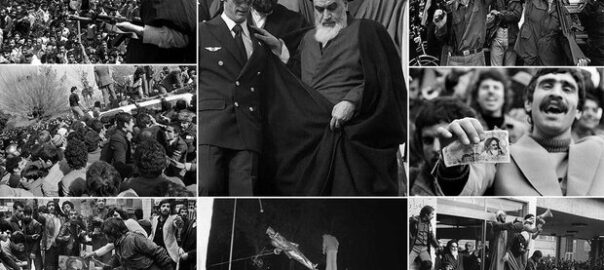
43 years after the victory of the Islamic Revolution, the impressive notions and ideologies of Imam Khomeini is a role model for all freedom-seeking nations and Muslim independent countries in the world.

Between January 1978 and February 11, 1979, the Muslim revolutionary people of Iran, under the wise leadership of Ayatollah Ruhollah Khomeini, the Founder of the Islamic Revolution, voiced their oppositions against the secular and US-backed rule of Mohamad Reza Shah.

Today, after 43 years, the Islamic Republic of Iran, under the leadership of Ayatollah Seyyed Ali Khamenei is at the forefront of the fight against global arrogance and oppressive powers like the United States and the Zionist Regime.

All these years, Iran has been under maximum political pressure and economic sanctions. The victory of the Iranian revolution as a new equation in various fields was able to change the political geography, political and geopolitical situation of the region. Part of this change was due to the nature of the Islamic Revolution discourse, which was defined as a strategic roadmap even before the Revolution.

The valuable ideological package presented by Imam Khomeini was able to create a new model without repeating the failed examples of the past and as a new component, to present itself to the region and the nations of the region.

What was referred to as the export of the Islamic Revolution was in fact the planning of the Western media think tank to reduce the impact of the Iranian revolution. In all four decades after the revolution, three scenarios of reduction, denial and distortion were planned for each field and political event in Iran.

The main concern of the United States, the West and Israel regime about the emergence of the Islamic Revolution was due to the nature of its Islamic discourse.

In 1979, when the Islamic Revolution emerged, there were a series of defeats of some groups that were fighting against Israel and the United States. Most of the groups formed in the region had national and popular suffixes. After the victory of the Islamic Revolution, Resistance movements were formed with the Islamic suffix.

After the Islamic Revolution, a new discourse was formed and new military and political balance prevailed, which shattered the invincible myth of Israel and a new deterrence equation emerged in the region.   /MNA/
Iran chosen to host 2022 Asian Men’s Club Volleyball C’ship

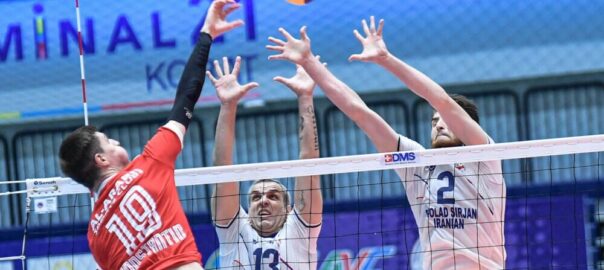
Iran will host 22nd edition of the Asian Men’s Club Volleyball Championship. The competition will most likely take place in Urmia, northwest of Iran.

The competition will be held from May 15 to 2 with participation of 11 teams. Iran Super League champions and a team from the host city will represent Iran in the competition.

Iran have previously hosted the competition three times in 2002, 2004 and 2013.

Foolad Sirjan are defending champions.

The Asian Men’s Club Volleyball Championship, previously the AVC Cup Men’s Club Tournament (between 1999–2002), is an annual continental club volleyball competition organized by the Asian Volleyball Confederation (AVC), the sport’s continental governing body. The competition was first contested in 1999 in China. It was not held in 2003 and 2020 due to 2002–2004 SARS outbreak and COVID-19 pandemic respectively.

The winners of the Asian Men’s Club Volleyball Championship qualify for the FIVB Volleyball Men’s Club World Championship.

Paykan Tehran hold the record for most victories, winning the competition seven times. Teams from Iran have won the tournament 15 times out of 21 editions, the most for any nation. /T.T/

Iran developing two vaccines against Omicron

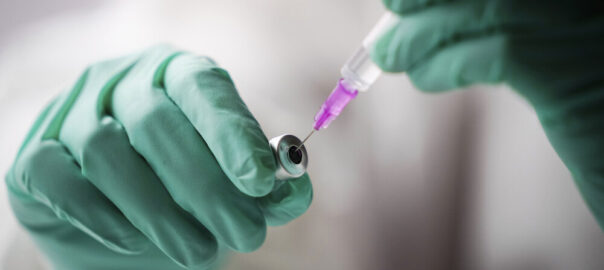
Two domestic companies have conducted research to develop vaccines against the Omicron strain, ISNA reported on Monday.

Following the relevant protocols of the Food and Drug Administration for the development of vaccines against new strains, two domestic companies have completed their studies for the production of vaccines against the Omicron variant and will enter the clinical phase, after receiving the code of ethics.

Hamidreza Jamaati, Secretary of the National Scientific Committee against Coronavirus, said that Iran has started developing this vaccine at the same time as developed countries and leading vaccine companies in the world.

A knowledge-based company also developed a technological test kit to diagnose the new Omicron strain.

Iranian Health Minister Bahram Einollahi has announced the beginning of a new wave of coronavirus pandemic, as the number of infected people with the Omicron variant is surging.

The minister urged more caution against the disease and said getting booster vaccinations could play a major role in preventing a fresh surge in the number of deaths and infections from the virus.

Homegrown vaccines

Einollahi has said five coronavirus vaccines have been so far produced domestically.

Made by researchers at the Headquarters for Executing the Order of the Imam, COVIRAN Barkat was the first homegrown vaccine unveiled on December 29, 2020, and received the license for public use on June 14.

The second Iranian-made vaccine developed by the Razi Vaccine and Serum Research Institute (Razi Cov Pars) started the clinical trial on February 27.

The Iranian-Australian Spikogen vaccine joined the national vaccination process in November 2021.

Developed jointly by the Pasteur Institute of Iran and Cuba’s Finlay Vaccine Institute, the Pastu Covac prevented symptomatic disease in people inoculated with three doses by 65 percent and its effectiveness in the prevention of severe disease and hospitalization was 96.5 percent.

Iran is one of the few countries that has all vaccine production platforms, Mohammad Reza Shanehsaz, former head of the Iranian Food and Drug Administration, said in June.

Meanwhile, World Health Organization (WHO) representative to Iran Jaffar Hussain said in September that the Organization was collecting the necessary information for the registration and certification of Iranian-made coronavirus vaccines. /T.T/


“Killing the Eunuch Khan” wins award at Slamdance Film Festival

Iranian drama “Killing the Eunuch Khan” has won the Breakouts Feature Grand Jury Prize at the Slamdance Film Festival in the United States.

Directed by Abed Abest, the film is about a serial killer that uses his victims to kill more victims.

In this film, set during the war between Iran and Iraq, a father lives with his two daughters in a big, strangely haunted house in a nearly deserted city close to the border.

One day, he leaves the girls at home alone in order to participate in a funeral ceremony. That same day, the city is struck by a bombing raid, and a bomb falls in his garden. From that point on, some sort of ghostly vibration unhinges his own reality, and the world of the dead seems to mingle with the world of the living.

Winners were announced last Friday. The 28th edition of the festival was organized in a hybrid format in Park City, Utah for physical screenings from January 20 to 23 alongside an accessible program of virtual screenings running from January 20 to 30.

“Hannah Ha Ha” directed by Jordan Tetewsky and Joshua Pikovsky was selected as best narrative feature.

The film is about Hannah who lives a content, hard-working life in the small town where she grew up. To her visiting older brother, she’s just wasting her time. As their summer together winds down, Hannah gets what wasting time really means.

The award for best documentary feature was given to “Forget Me Not” directed by Olivier Bernier.

In the documentary, parents and filmmakers Olivier and Hilda Bernier share the personal impact of NYC’s segregated education system as they fight for their son Emilio’s right to be educated alongside his peers.

“Straighten Up and Fly Right” by Kristen Abate and Steven Tanenbaum received the Unstoppable Feature Grand Jury Prize.

In a funk, Kristen, a physically disabled New York woman, walks dogs for a living but dreams of being a writer and as her life unravels, she must make a choice to fall apart or straighten up. /T.T/

Webometrics lists 694 Iranian institutions as top-ranking

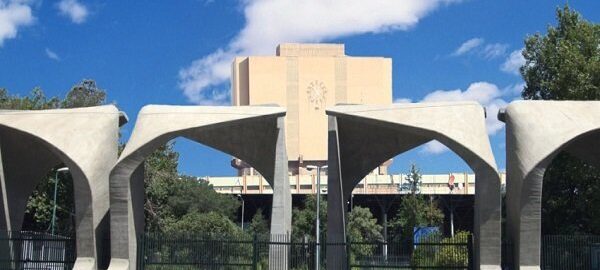
The Webometrics Ranking of World Universities 2022 has ranked 694 Iranian institutions among 30,000 top universities across the world.

Also known as Ranking Web of Universities, the Webometrics Ranking of World Universities is a ranking system for the world’s universities based on a composite indicator that takes into account both the volume of the Web content (number of web pages and files) and the visibility and impact of these web publications according to the number of external inlinks (site citations) they received.

Launched in 2004, the ranking is updated every January and July. In 2021, it provided Web indicators for more than 31,000 universities worldwide.

The University of Tehran tops the list of Iranian universities included in this ranking, followed by Tehran University of Medical Sciences, Sharif University of Technology, Shahid Beheshti University of Medical Sciences, Amirkabir University of Technology, Tarbiat Modares University, Isfahan University of Medical Sciences, Iran University of Science and Technology, Ferdowsi University of Mashhad, Iran University of Medical Sciences and Tabriz University of Medical Sciences.

The University of Tehran has improved its ranking from 396 in 2021 to 308 in 2022.

Harvard University, Oxford University, and the University of California, Berkeley are the top three ranking universities worldwide in Webometrics.

Academic quality

Most recently, a total of 59 Iranian universities are listed among the top 3,000 institutions in the world in terms of academic quality, according to the 2021-2022 report released by University Ranking by Academic Performance (URAP).

A total of 51 universities from Iran have been listed in the Islamic World University Rankings 2021 announced by the Islamic World Science Citation Center (ISC).

Also, fifteen universities from Iran have been listed among the best institutions worldwide, by the U.S. News and World Report Best Global Universities rankings 2022.

The Quacquarelli Symonds (QS) Graduate Employability Rankings 2022 list has been released, which included three Iranian universities out of a total of 550 institutes worldwide that highlighted graduate employment processes.

Meanwhile, 41 Iranian universities in engineering sciences and 12 universities in computer sciences have made a place among the top 1,188 universities in the world with the announcement of Higher Education World University Rankings 2022 by subject.

It also has introduced 59 Iranian universities among the top institutions in World University Rankings 2022.

The THE Education Young University Rankings 2021 listed 26 Iranian institutions among the world’s best universities that are 50 years old or younger.

Moreover, 34 Iranian universities and institutions were listed among the top 1,000 in the world, according to Shanghai Ranking’s Academic Ranking of World Universities (ARWU) 2021. /T.T/

Pastu Covac provides 100% immunity to omicron strain

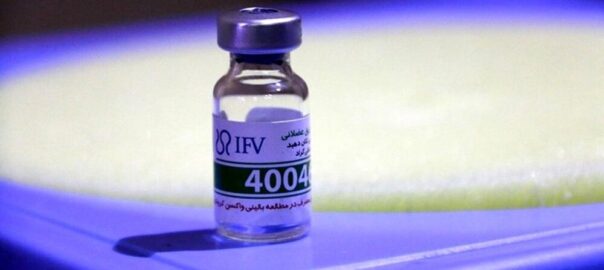
The injection of Pastu Covac vaccine provides 100 percent immunity against the omicron strain, Alireza Biglari, head of the Pasteur Institute has said.

Developed jointly by the Pasteur Institute of Iran and Cuba’s Finlay Vaccine Institute, the vaccine is called Soberana 02 in Cuba and Pastu Covac in Iran.

Pastu Covac is the only homegrown vaccine available for injection in children aged 2-18, he said, adding, clinical trials have shown that the vaccine is highly efficient and safe.

The vaccine prevented symptomatic disease in people inoculated with three doses by 65 percent and its effectiveness in the prevention of severe disease and hospitalization was 96.5 percent, he stated.

So far, 15 million doses of the vaccine have been produced, 8 million of which have been used in the vaccination process and the rest are ready to be delivered to the ministry, Biglari said.

He went on to say that the monthly production capacity of this vaccine is about five million doses and can be increased.

It is a conjugate vaccine with two injectable doses, which consists of the receptor-binding domain of the SARS-CoV-2 spike protein conjugated chemically to tetanus toxoid.

The two first phases of the human trial have been conducted in Cuba, while the third phase was carried out on 24,000 volunteers in Iran and 44,000 volunteers in Cuba.

It is the only vaccine in the world that can fight several mutations simultaneously, Biglari said in July.

Homegrown vaccines

Health Minister Bahram Einollahi has said five coronavirus vaccines have been so far produced domestically.

Made by researchers at the Headquarters for Executing the Order of the Imam, COVIRAN BAREKAT was unveiled on December 29, 2020, and received the license for public use on June 14.

It proved effective against Indian strain, according to Hojjat Niki-Maleki, head of the information center of Headquarters for Executing the Order of the Imam.

Eleven countries from Asia and South America, and a European country have asked for importing COVIRAN vaccine, Hassan Jalili, the vaccine’s production manager, said in June.

According to the Food and Drug Administration, 14 vaccines are being domestically developed in the country which are in different study phases. /T.T/

“World’s Smile” by Marzieh Hushmand wins grand prix at Paralym Art World Cup

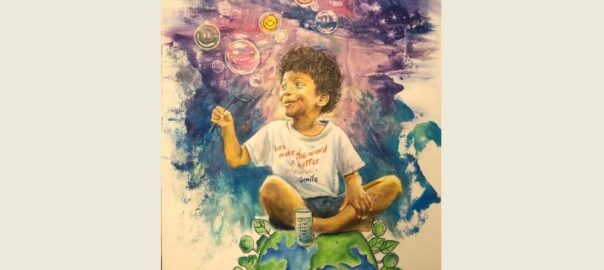
The Paralym Art World Cup 2021 has given its grand prix to Iranian artist Marzieh Hushmand for her painting “World’s Smile”.

The 2021 edition of the competition, which is organized in Nakama, Japan, for artists with disabilities, was held on the theme of “Smile”.

“World’s Smile” depicts a Black boy sitting on the globe creating bubbles with smiling faces.

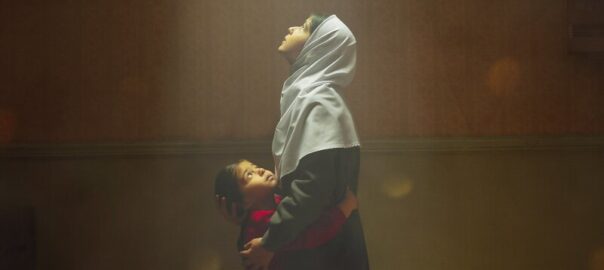
“Vaccine” by Ali Bahrami from Iran also won the Kushino Nobumasa Award, while his compatriot Marzieh Baqeri-Chizeh received a Paralymart Award for her painting, “Embroidered Art”.

Hossein Divsalar, the Iranian cultural attaché in Tokyo, received the awards on behalf of the Iranian artists in a special ceremony attended by Nakama Mayor Kenji Fukuda and representatives of organizations sponsoring the competition, the Iranian Cultural Center in Tokyo announced on Thursday.

“Smile of Peace” by Tajiri Hajime and “The Joy of Life” by Yagi Hidetomo, both from Japan were selected as runners-up.

The Persol Award went to “Dancing in the Rainbow” by Marium Kashif from the UAE, while “Shower of Smiles” by Mine Megumi from Japan won the Tokairika Award.

Indian artist Sonu Gupta was honored with Koei Tecmo Holdings Award for the painting “Smile” and the Kaltec Award was given to “Triumph of Mankind” by Japanese artist Ryoute Fujiyu.

The Park Hotel Tokyo Award went to “Mixture of Cultures” by Eduardo Boyd from Panama, and the Tao Keiichiro Award was presented to “Smiles in Various Landscapes” by Japanese artist Tsuchida Manabu.

“A Love Letter from Outer Space: Do You Love the Earth?” by Harumaru, “Who Will Make Me Smile?” by Katoh Takehiro, both from Japan” and “Smile” by Ansari and “Smile” by Chetan Pashilkar, both from India” won the Paralymart Awards. /T.T/

Export of minerals at 90% growth in nine months

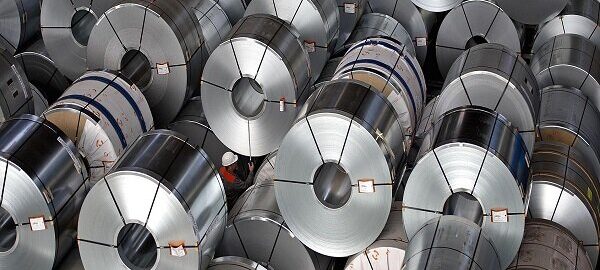
According to statistics, large mining and mineral companies managed to export $9.489 billion worth of products in first nine months of current year, showing a 90.8 percent hike as compared to last year’s corresponding period.

Another statistic showed that $280.630 million worth of steel and steel products were exported from the country from March 21 to Dec. 22 in a way that mining and mineral sector accounted for maximum 55.6 percent export share to itself.

In this period, 3,098,000 tons of products in mining and mineral sector, valued at $2.691 billion, were imported into the country, showing a 0.8 and 11.4 percent growth in terms of weight and value respectively.

According to statistics, steel and steel products accounted for maximum import share in this period in a way that $916.3 million worth of steel products were imported into the country from March 21 to Dec. 22.     /MNA/

Iran’s sitting volleyball nominated for Best Team Performance

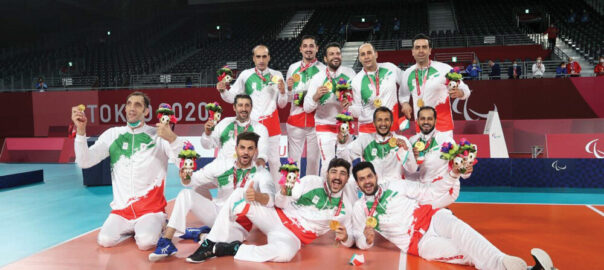
Tokyo Paralympic Games gold medal winners Iran’s sitting volleyball team have been nominated for the Best Team Performance at the Asian Awards 2021.

The upcoming Asian Awards 2021 were organized by the Asian Paralympic Committee (APC).

The team will have to compete with China men’s goalball team, Japan men’s wheelchair basketball team and Korea mixed boccia team for winning the accolade.

Iranian powerlifter Ruhollah Rostami, who won a gold medal in the 2020 Tokyo Paralympics, and Hashemiyeh Motaghian, the first ever Iranian female Para athlete to win a gold medal in athletic in the Paralympic Games, have been previously nominated for the Best Male and Best Female awards, respectively. /T.T/

First Iranian satellite to orbit at 500 km

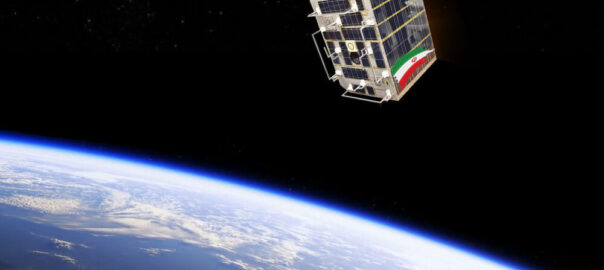
Kosar satellite, designed and launched by 8 technological companies, is scheduled to be in a 500-kilometer orbit by the next [Iranian calendar] year (beginning on March 21).

This satellite weighs 30 kg and has a design life of 2 years, with spatial resolutions of 3.4 meters; and a near-infrared imaging resolution is 5.5 meters.

The frame rate is 6 per second and the near-infrared imaging rate produces 28 frames per second.

Unveiled on Thursday on National Space Technology Day, the satellite is undergoing the testing phase.

It is scheduled to be launched in the next year, which will be the first private-sector satellite to be placed in a 500-kilometer orbit.

Iran ranked 11th in space science worldwide

Iran is among the 10 countries with knowledge of space technology and is the 11th country in the world in terms of space science and the leading country in the region.

The country launched its first satellite, called Omid (literally meaning hope), on February 3, 2009, designated this day as “National Space Technology Day”.

In 2012, a third domestically manufactured satellite, named Navid (literally meaning promise), was successfully put into orbit.

According to previous reports, the Iranian Space Agency has plans to launch a number of satellites including Pars-1, Pars-2, Zafar-2, and Nahid-2.

Pars-1 is supposed to take pictures of all parts of the country using a high-resolution 15-meter-camera and send its photos from a 500-kilometer distance to the earth stations using a high-powered telecommunication transceiver. /T.T/