All posts by islam

Shadegan wetland home to wintering migratory birds

Shadegan wetland in the southwestern province of Khuzestan is now hosting flocks of migratory birds that came to spend the winter, IRIB reported on Saturday.

Shadegan wetland covers 530,000 hectares, 400,000 hectares of which has been designated as a Ramsar site (defined by the Ramsar Convention for the conservation and sustainable use of wetlands, recognizing the fundamental ecological functions of wetlands and their economic, cultural, scientific, and recreational value).

The wetland feeds on Marun and Karun rivers both crossing Kohgiluyeh and Boyer-Ahmad province, but after dam construction over the Karun river, the wetland went dry not receiving its water right.

After the torrential rains and flooding started on March 19, the wetland has been saturated.

Last winter (December 2019- March 2020), 150,000 migratory birds were observed in the wetlands and reservoirs of Khuzestan. And the highest number of birds was counted in Hour al-Azim wetland, the highest diversity in the Shadegan wetland, and the highest population decrease in Bandoon wetland.

On January 2, IRNA quoted Mostafa Kenarkoohi, the director-general of Khuzestan province’s veterinary department, as saying that a comprehensive plan for monitoring highly pathogenic avian influenza (HPAI) has been implemented across Shadegan wetland.
Fourteen types of indigenous and migratory birds are living in the wetland and they are monitored constantly in terms of health, he explained. /T.T/

Iran among five pioneers of nanotechnology

Prioritizing nanotechnology in Iran has led to this country’s steady placement among the five pioneers of the nanotechnology field in recent years, and approximately 20 percent of all articles provided by Iranian researchers in 2020 are relative to this area of technology.

Iran has been introduced as the 4th leading country in the world in the field of nanotechnology, publishing 11,546 scientific articles in 2020.

The country held a 6 percent share of the world’s total nanotechnology articles, according to StatNano’s monthly evaluation accomplished in WoS databases.

There are 227 companies in Iran registered in the WoS databases, manufacturing 419 products, mainly in the fields of construction, textile, medicine, home appliances, automotive, and food.

According to the data, 31 Iranian universities and research centers published more than 50 nano-articles in the last year.

In line with China’s trend in the past few years, this country is placed in the first stage with 78,000 nano-articles (more than 40 percent of all nano-articles in 2020), and the U.S. is at the next stage with 24,425 papers. These countries have published nearly half of the whole world’s nano-articles.

In the following, India with 9 percent, Iran with 6 percent, and South Korea and Germany with 5 percent are the other head publishers, respectively.

Almost 9 percent of the whole scientific publications of 2020, indexed in the Web of Science database, have been relevant to nanotechnology.

There have been 191,304 nano-articles indexed in WoS that had to have a 9 percent growth compared to last year. The mentioned articles are 8.8 percent of the whole produced papers in 2020.

Iran ranked 43rd among the 100 most vibrant clusters of science and technology (S&T) worldwide for the third consecutive year, according to the Global Innovation Index (GII) 2020 report.

The country experienced a three-level improvement compared to 2019.

Iran’s share of the world’s top scientific articles is 3 percent, Gholam Hossein Rahimi She’erbaf, the deputy science minister, has announced.

The country’s share in the whole publications worldwide is 2 percent, he noted, highlighting, for the first three consecutive years, Iran has been ranked first in terms of quantity and quality of articles among Islamic countries.

Sourena Sattari, vice president for science and technology has said that Iran is playing the leading role in the region in the fields of fintech, ICT, stem cell, aerospace, and is unrivaled in artificial intelligence. /T.T/


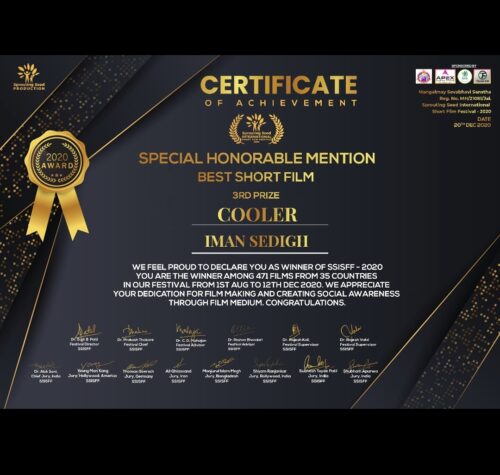
‘Cooler’ receives award from Indian fimfest.

Iranian short film, ‘Cooler’, directed bu Iman Sedigh received the commendation plaque and the statuette for the best short film of Indian Sprouting Seed International Short Film Festival.

The film is produced by Manouchehr Hadi and narrates a love story.

Sprouting Seed International Short Film Festival is the largest film event in India around the world.

It aims to draw attention to and raise the profile of films and, in doing so, contributes to the development of cinema and boosst the film industry internationally. /MNA/

Calling for the 12th Farabi International Award on The Iranian & Islamic Studies

Dr. Hossein Mirzaie, head of the Secretariat of the 12th Farabi International Award, announced the call for the 12th edition of the Farabi International Award to October 21, 2020.

Works that will be accepted by the Award, as in the past Includes the “Research Book”, “The Closed Report of the Research”, “PhD Dissertation” and “Master’s Thesis”. Works that have been completed since March 21, 2017 to March 19, 2020 can be submitted to the Farabi Award Secretariat or uploaded via the website. He added that Farabi international section also receives works on Iranian Studies and Islamic studies.
According to the Public Relations Department of the Secretariat of the 12th Farabi International Award, All researchers in the field of humanities on Iranian Studies and Islamic studies can register and sent their scientific works via the website: WWW.FARABIAWARD.IR
Dr. Mirzaie also stated that registration of works in the Farabi International Award website will be in two natural and legal forms and added: In addition to the fact that authors and researchers can register their works in the website or submitted to the Farabi secretariat; the publishers, universities, research centers, educational and scientific associations and groups can register their proposed works if they recognized those are well-qualified and worthy works to be introduced. Thus they will provide a platform for identifying the richest research works.
It is worth mentioning that the Farabi International Award is held annually by the Ministry of Science, Research and Technology, UNESCO, ISESCO, the National Elites Foundation, and the Institute for Social and Cultural Studies. /http://farabiaward.ir//


12th Farabi International Award

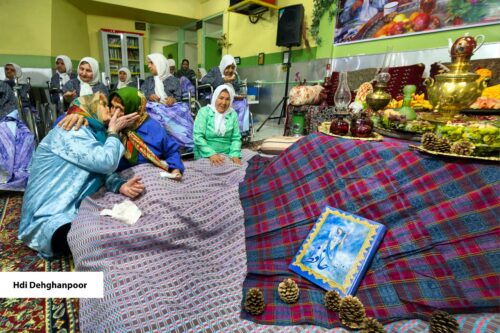
One of the Popular Iranian festival “Shab-e Yalda”

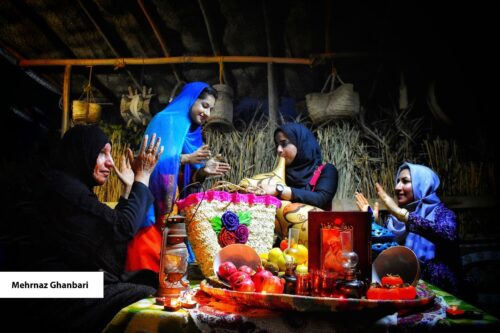
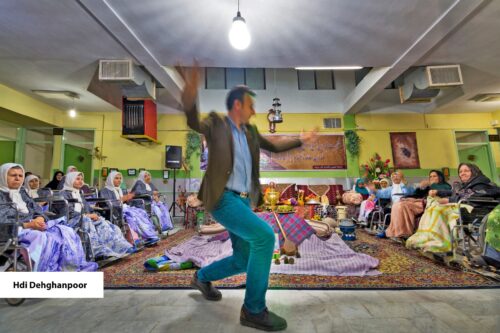
One of the most ancient Iranian festivals is Shab-e Yalda or Yalda Night. Iranian around the world celebrate this night with their families and friends on the 21st of December.

Shab-e Yalda, “Night of Birth”, “Birth of Mithra”, or Shab-e Chelleh is the Iranian winter solstice celebration which has been popular since ancient times.

Yalda is celebrated on the Northern Hemisphere’s longest night of the year, that is, on the eve of the Winter Solstice. Depending on the shift of the calendar, Yalda is celebrated on or around December 20 or 21 each year.

In addition to Iran, countries such as Afghanistan, Tajikistan, Uzbekistan, Turkmenistan and some Caucasian states such as Azerbaijan and Armenia share the same tradition and celebrate Yalda Night annually at this time of the year.


People celebrate Yalda Night for different reasons, the arrival of winter, the renewal of the sun and the victory of light over darkness.

People in ancient times knew that from the first day of winter on, days get longer and nights get shorter gradually. What’s more, they knew darkness as a symbol of evil.

So, in fact, they considered the first morning after Yalda the day of victory of the sun and light over darkness and evil powers and celebrated it at this festival.

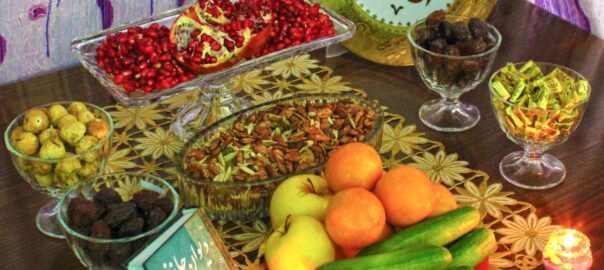
Nuts (ajil), and dried fruit (khoshkbar) are eaten on Iranian Yalda night. The special foods that are prepared for this night change from family to family and also depend on the availability of ingredients in different regions of Iran.

Among all the edibles, eating fruits such as watermelons, pomegranates, red apples, persimmons, and cooked beets are very popular.

So, it can be the color of these fruits as a color of sun, make them the integral parts of this ceremony.

Iran ranks 19th among world’s biggest steel ingot exporters

Iran was ranked 19th among the world’s top steel ingot exporters while taking 53rd place for the exports of steel products in 2019, data provided by Trade Map website showed.

According to the mentioned website, in 2019, Iran ranked 159th among the world’s top 196 countries in terms of importing crude steel (ingots), IRNA reported.

The country ranked 53rd among 195 countries in the exports of steel products and it was ranked 85th out of 226 countries in global imports of steel products.

Based on the mentioned data, Iranian imports of crude steel and steel products in 2019 stood at $42 million and $302 million, respectively.

The country exported $312 million and $252 million worth of crude steel and steel products in the mentioned year, respectively.

Last year, the total production of crude steel (ingots) in Iran stood at 26.8 million tons and the total volume of steel products output reached 20.6 million tons, according to the mentioned website.

According to IRNA, foreign trade statistics for the first seven months of the current Iranian calendar year (March 20-September 21) show that the country exported 4,375,851 tons of steel ingot and products worth $1.59 billion of which 76.8 percent were billets and blooms.

The value of the steel exports in the said seven-months decreased by 37 percent compared to the same period in the previous year, the Industry, Trade, and Mining Ministry Data showed.

The total exports of steel ingots and products exceeded 10.5 million tons in the previous Iranian calendar year (ended on March 19).

As reported, the imports of steel products in the first seven months of the current fiscal year reached 633,665 tons, which shows a 51 percent increase compared to the same period last year.

The value of the imported commodities stood at $714.6 million in the said time span, also 32 percent less than the figure for the same period in the preceding year. /T.T/

‘Red gold’ farming to amplify tourism in southwestern Iran

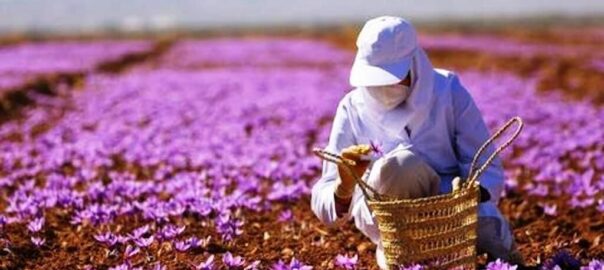
Saffron farming has been amplified in the tourist areas of the southwestern Kohgiluyeh and Boyer-Ahmad province with the aim of developing agritourism in the region.

Saffron production and harvest, which started about five years ago [across the province], have increased during the first half of the current Iranian calendar year 1399 (March 20 – September 20), provincial tourism chief Majid Safai said on Saturday.

So far saffron bulbs have been harvested from over eight hectares of farms in Kohgiluyeh and Boyer-Ahmad, the official added.

He also noted some five kilograms of saffron are harvested from each hectare.

Saffron festivals are scheduled to be held in the province after the end of the coronavirus outbreak in the country, he explained.

Iranian saffron is known as the “red gold”. Saffron is a magical ingredient in Persian culture, from aromatic foods and colorful desserts to physical and spiritual medicine. Every year, the saffron harvest season begins in early November. While most other vegetation is gone, the bright purple flowers cover the fields and create an outstanding landscape in dry regions in Iran.

Major saffron producers of Iran are located on the east side of the country. If you would like to see the biggest market, head to Mashhad, which is also known for its religious importance.

Agritourism and nature-tourism enterprises might also include outdoor recreation (fishing, hunting, wildlife study, horseback riding), educational experiences (cannery tours, cooking classes, or tea or coffee tasting), entertainment (harvest festivals or barn dances), hospitality services (farm stays, guided tours, or outfitter services), and on-farm direct sales (u-pick operations or roadside stands).

Today, agritourism is regarded as a stimulus to the imbalanced economy of agriculture sectors and the tendency for emotional and nostalgic roots of the modern world citizens and due to factors such as visitor participation in farm activities, direct purchase of products, spending a night at a farm, curiosity and learning about the farm and agriculture products has been able to create a wide target population.

Kohgiluyeh and Boyer-Ahmad province is known for its nomads and nomadic life. Sightseers may live with a nomadic or rural family for a while or enjoy an independent stay and assist them with day-to-day life. It also opens up an opportunity to feel rustic routines, their agriculture, traditions, arts, and culture. /T.T/


Royan among world’s top 10 for assisted reproductive techniques

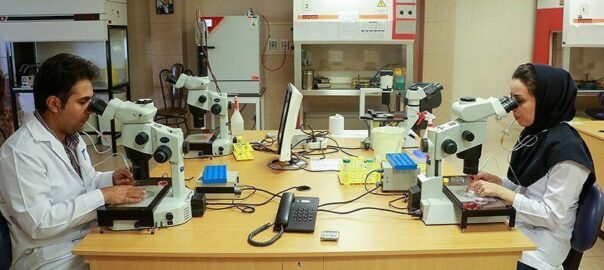
Royan Research Institute ranked among the world’s top 10 centers based on the total number of publications investigating male infertility and assisted reproductive techniques (ART) during 2000 to 2019, based on the results of a study published in the international journal Andrologia.

The article by researchers from eight American, African, Asian and European countries evaluates the total number of publications in male infertility and ART from 2000 to 2019.

According to the study, ART is considered one of the main options in treatment, and Royan Research Institute is one of the world leaders in this field.

The results are obtained from the analysis of twenty years of work by researchers worldwide evaluating the number of articles, authors, type of citation, subject area, international collaborations, and year of publication.

The research shows that Iranian researchers have had good collaborations with others in the international arena, which is an important issue in the future of the research process.

Also, in the analysis of knowledge measurement, it has been shown that the trend of this type of research in the last twenty years has always been constant, and azoospermia (obstructive / non-obstructive) has been the most field of clinical studies (more than 60 percent).

Moreover, using assisted reproductive techniques has reported over 47 percent success.

According to the research, assisted reproductive technologies currently play a special role in treating men’s infertility.

Royan is a public, non-profit organization affiliated with the academic center for education, culture, and research. Established in 1991, Royan is a research institute for reproductive biomedicine and infertility treatments; and a world’s leading one in both research and treatment of this field.

The institute also acts as a stem cell research leader and is one of the best clinics for infertility treatment. It has 46 scientific members and 186 lab technicians.

Infertility treatment in Iran

Abdolhossein Shahverdi, head of Royan, said in October that foreign couples from neighboring and even European countries highly welcome infertility treatment in Iran because of the favorable cost and successful test results compared to other countries.

Infertility is the inability to become pregnant after one year of intercourse without contraception involving a male and female partner. There are many causes of infertility, including some that medical intervention can treat.

Infertility occurs in 10 to 15 percent of couples. Causes of infertility can be female or male, or both. Male infertility is responsible for 40 percent of infertility cases, while 40 percent are due to female infertility, and 10 percent are due to combined problems in both parts. In 10 percent of cases, no cause is found. In other words, in these couples, both people do not have a problem according to the available tests, but they do not have children for unknown reasons.

In the last two decades, great strides have been made in diagnosing and treating infertility, and about 65 percent of infertile couples have had children using new methods.
Studies conducted worldwide, and in Iran, about 10 to 15 percent of couples are infertile, Shahverdi said.

Until the 1970s, these couples went to European countries for treatment, but we entered into this issue in time and established more than 70 infertility centers, so great success achieved in education, research, and specialized services, he highlighted.

The cost of infertility treatment in Iran is about 50 percent lower than in European and American countries. And the success rate in the best centers is between 30 and 40 percent, he also said. /T.T/


Kohgiluyeh and Boyer-Ahmad tourist attractions available online

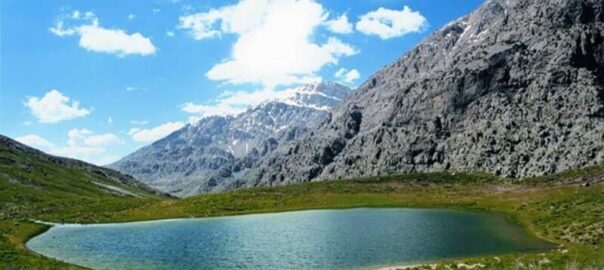
Tourist attractions in the southwestern Kohgiluyeh and Boyer-Ahmad province are available online, the provincial tourism chief has said.

Several videos and programs have been produced to introduce the province’s historical sites, natural sceneries, and handicrafts to virtual visitors, Majid Safai announced on Saturday.

He also noted that the service will be available until the end of the coronavirus pandemic.

Guided excursions had been well established at the heart of travel, but like everything else, the coronavirus pandemic has upset such events, and many starting to go online. Socially-distanced craft workshops, virtual museum tours, city tours accompanied by avatar guides are amongst examples showing us how virtual realities are changing during the pandemic.

Kohgiluyeh and Boyer-Ahmad province is known for its nomads and nomadic life. Sightseers may live with a nomadic or rural family for a while or enjoy an independent stay and assist them with day-to-day life. It also opens up an opportunity to feel rustic routines, their agriculture, traditions, arts, and culture.

The province attracted over four million people, mostly domestic travelers, during the Iranian year 1397 (ended March 2019), according to data announced by the provincial tourism department. /T.T/

Iran to open home-made seawater greenhouse

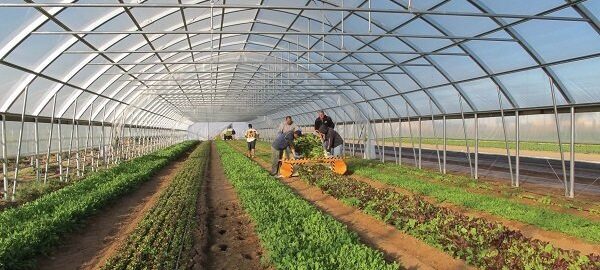
An official with the Vice Presidential Office said that two homegrown seawater greenhouses using solar heat for changing seawater to freshwater will be inaugurated by the end of the current Iranian year.

The Iranian Professor at Soil Conservation and Watershed Management Research Institute announced the launching of seawater greenhouses in the coastline of Bushehr Province and Makran in Sistan-Baluchestan Province.

Stating that the pilot project of the construction of two seawater greenhouses has started last Iranian fiscal year, Jahangir Pourhemmat said, “We intend to use the capacities of Iranian knowledge-based companies and seas in order to provide fresh water and save energy for seawater greenhouses.”

The greenhouse will be inaugurated by the end of the Iranian calendar year (March 20, 2021) he said and added, the homegrown greenhouses use the capacity of the seas in terms of environment and water to produce the freshwater needed by the greenhouse as well as the energy to cool it.

Utilizing the capacities of the coasts of the Persian Gulf and the Sea of Oman in the development of seawater greenhouses will boost the production of agricultural products and it will also create many jobs, he noted.

Using seawater to create humidity and cool the air as well as using solar heat for evaporating and producing freshwater from seawater are the two major processes used in these greenhouses. / MNA/