All posts by islam

Iran FM arrives in Geneva for next round of indirect talks with US

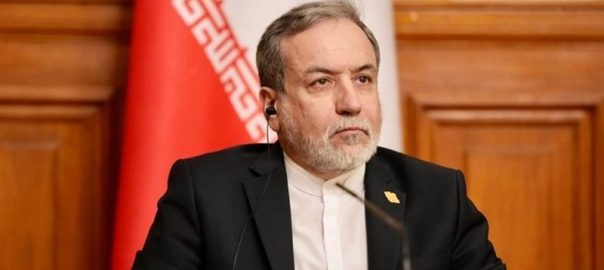
Iranian Foreign Minister Abbas Araghchi has arrived in the Swiss city of Geneva for the second round of indirect negotiations on the country’s peaceful nuclear program with the United States.

Araghchi, who landed in Geneva on Sunday night, is accompanied by a high-ranking diplomatic and specialized delegation.

Iran’s Foreign Ministry spokesman had earlier announced that Araghchi is also scheduled to hold diplomatic meetings on the sidelines of the negotiations.

The second round of indirect talks between Iran and the US will be held on Tuesday with Oman as mediator.

The first round of the talks was held in the Omani capital city of Muscat earlier this month.

During his stay in Geneva, Iran’s top diplomat is to meet with his Swiss counterpart, the director general of the International Atomic Energy Agency, and many other international figures.

Araghchi will also address the United Nations’ Conference on Disarmament.

The Iranian foreign minister says the new round of indirect nuclear talks with the US was a good beginning and can be continued.

Speaking at the end of the Omani-mediated talks, the Iranian foreign minister said the negotiations with the United States were a “good start” and could be continued.

Iran’s main demand in Muscat remains the effective and verifiable lifting of economic sanctions. Officials in Tehran have repeatedly stated that any agreement without tangible economic benefit would be meaningless in practice.

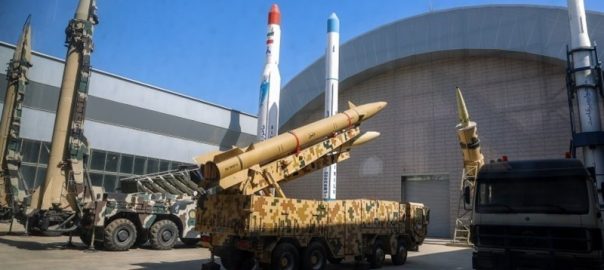
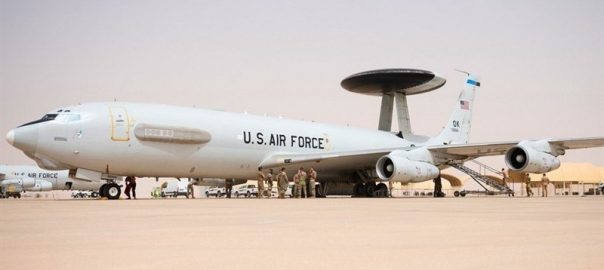
The negotiations will take place as US President Donald Trump has deployed military forces to the region, heightening concerns about possible new military action.

US officials said on February 12 that the Pentagon was sending an additional aircraft carrier to the region, adding thousands more troops along with fighter aircraft and guided-missile destroyers.

Press TV

Beyrami carries spirit of national pride at 2026 Winter Olympics

Facing elite competitors from snow-dominant nations, Beyrami lined up at the start with quiet determination. The course was relentless—steep climbs that burned the lungs and long descents that demanded precision and courage. Each stride she took was not just for position, but for pride. Though she ultimately finished in 98th place with a time of 30:49.9, her performance told a deeper story of resilience and representation. Competing on the Olympic stage is a victory in itself, especially for athletes from countries where winter sports are still growing.

The discipline was won by Swedish powerhouse skier, Frida Karlsson, with 22:49.2. Her compatriot Ebba Andersson snatched the silver, clocking 23:35.8.

The bronze medal went to American skier Jessie Diggins, who crossed the line with 23:38.9.

Beyrami is an athlete who may not have claimed a podium spot, but who carried the spirit of perseverance and national pride through every kilometer of snow.

Tehran Times

Historic gold for Iran as teen fencer wins World Cup title

Iran claimed a historic gold medal at the Cadet Men’s Sabre Individual World Cup in Dakar, Senegal, as 16-year-old Hesam Moradi Anghaneh stood on top of the podium.

Moradi delivered a landmark performance at the Coupe du Monde event held on Thursday. Competing in the cadet category, he became the first Iranian fencer in history to win a gold medal at a World Cup in this age group.

The Iranian national team had traveled to Dakar to compete in both the cadet and junior divisions. The breakthrough came in the men’s sabre individual event.

Moradi defeated Ecuador’s Jose Daniel Valencia Olmedo, 15–12, in the final bout to secure the title.

The 15-year-old Ecuadorian finished with silver, while Nathan Munguia of Mexico claimed bronze.

The Iranian team is coached by Farzad Baher, a member of the national fencing team who has won multiple trophies in continental events.

Press TV

Iran Unveils First Images from Most Advanced Indigenous Imaging Satellite “Paya”

Coinciding with the start of Iran’s Space Technology Week, the first images from Iran’s most advanced imaging satellite, “Paya,” were unveiled.
The ceremony marking Iran’s Space Technology Day was held on Tuesday in the presence of Minister of Information and Communications Technology Seyed Sattar Hashemi and Iran’s Defense Minister Brigadier General Aziz Nasirzadeh, during which the satellite images captured by Paya were officially presented.The “Paya” satellite, also known as “Toloe-3,” was launched into space on December 27 aboard a Russian Soyuz launch vehicle, along with two other Iranian satellites, “Kowsar” and “Zafar-2.”Paya is equipped with two imaging sensors capable of providing black-and-white images with a resolution of 5 meters and color images with a resolution of 10 meters. The final processed image accuracy is enhanced to 3 meters.For the first time in Iran, mirror-based imaging technology has been employed in this satellite, making Paya the country’s most advanced domestically developed imaging satellite.During the same ceremony, Iran’s Salmas Space Base was also officially inaugurated.
Fars News

FM Holds Webinar with Iran’s Envoys in Asia

TEHRAN (Tasnim) – Iranian Foreign Minister Abbas Araqchi held an online meeting with ambassadors and heads of Iran’s diplomatic missions in Asian countries, discussing various aspects of the country’s foreign policy with a focus on strengthening engagement across the continent.

During the online meeting on Monday, participants discussed various dimensions of Iran’s foreign policy and external relations, with particular emphasis on active diplomacy in Asia, the strengthening of bilateral and multilateral cooperation within the framework of regional and international organizations, and addressing consular issues related to Iranians residing in Asian countries.

Araqchi stressed the importance of a dynamic and balanced diplomacy based on mutual respect and shared interests, noting that Iran, in its interactions with all countries—especially Asian nations—seeks to expand sustainable and equitable relations grounded in common interests.

Tasnim News Agency

Iranian President Signals Conditional Openness to Talks with US

TEHRAN (Tasnim) – President of Iran Masoud Pezeshkian said on Tuesday that Tehran is prepared to explore negotiations with the United States, provided the talks take place in an appropriate atmosphere free of pressure and excessive demands.

In a message posted on his X account, Pezeshkian said he had instructed Foreign Minister Abbas Araqchi to pursue “fair and equitable negotiations” following requests from friendly governments in the region. He emphasized that any talks must be guided by the principles of dignity, prudence, and expediency, and conducted strictly within the framework of Iran’s national interests.

“In light of requests from friendly governments in the region to respond to the proposal by the President of the United States for negotiations: I have instructed my Minister of Foreign Affairs, provided that a suitable environment exists—one free from threats and unreasonable expectations—to pursue fair and equitable negotiations, guided by the principles of dignity, prudence, and expediency,” Pezeshkian said.

“These negotiations shall be conducted within the framework of our national interests,” the president underlined.

In comments on Monday, spokesperson for the Iranian Foreign Ministry Esmaeil Baqaei said Tehran was carefully studying the structure of potential negotiations with the US, with a focus on lifting sanctions and advancing national interests.

On the objectives of the negotiations, Baqaei stressed that sanctions relief is a core priority. He recalled that Araqchi recently stated that the nuclear issue has long been misused as a pretext for imposing conflict on Iran, and added that in exchange for confidence-building regarding the peaceful nature of Iran’s nuclear program, the country’s primary demand is the removal of unjust sanctions.

Tasnim News Agency

Discover world’s longest qanat, an ancient masterpiece of water management in Yazd

TEHRAN — As one of the oldest and longest qanats (ancient underground water networks) in the world, Yazd province’s Zarech qanat (aqueduct) is a shining symbol of Iranian ingenuity in adapting to nature and providing water in the dry desert climate.

According to IRNA, Yazd province has long faced a shortage of water resources due to its location in the heart of the central plateau of Iran. However, the ancestors of this land, relying on indigenous knowledge, creativity and a deep understanding of nature, have invented lasting solutions for water management, and  Zarech aqueduct is one of the most prominent examples of the historical initiative that has played a vital role in providing the drinking water, agriculture and the formation of human settlements for centuries.

The aqueduct, with its considerable length and several hundred years of history, is not only a water structure, but also a living cultural heritage that narrates the lifestyle, effort, and intelligence of the desert people.

The long route of the aqueduct, the numerous wells, the method of directing water, and maintaining the natural slope of the land all reflect the precise engineering and advanced thinking in their time knowledge that was obtained without modern technology and only through traditional experience and calculations.

Today, Zarech aqueduct can be introduced as one of the important historical and scientific tourism attractions of Yazd province, a work that has the capacity to attract domestic and foreign tourists, researchers, and those interested in history, architecture, and the environment. Proper introduction of the aqueduct can play an effective role in developing sustainable tourism, increasing public awareness, and preserving the valuable heritage for future generations.

Zarech aqueduct is not just a water transport route, but is a living document of human wisdom, patience, and creativity in facing the harsh nature of the desert. The extensive and principled introduction of the historical monument to the people and travelers will be an important step in preserving the heritage of our ancestors and strengthening the position of Yazd province as the cradle of Iranian civilization and traditional engineering.

Zarech qanat, with a length of more than 100 kilometers and a number of 2,115 wells, has a history of more than 3,000 years in the country. The aqueduct can be introduced as one of the important historical and scientific tourism attractions of Yazd province, a monument that has the capacity to attract domestic and foreign tourists, researchers and those interested in history, architecture and the environment.

One of the features of the Zarech qanat is its square section, which dates back to the time of the Zoroastrians. Until half a century ago, the water flow of the Zarech aqueduct was more than 150 liters per second, but due to the excessive digging of deep and semi-deep wells in the water area of ??the aqueduct, its water flow has decreased sharply.

The mouth of the aqueduct is located in the city of Zarech and has three separate branches or underground tunnels, the tunnels of which are called Shirin, Shoor and Ibrahim Khavidaki. Of course, the two branches of Shirin and Ibrahim Khavidaki are dried branches of the Zarech aqueduct, and currently only the Shoor branch has a length of 72 kilometers. The water flow of Shoor branch upstream of the Qanat was 60 liters per second, but it is 28 liters per second at the beginning of the aqueduct

Yazd province is considered a treasure trove of Iranian art, culture and civilization with numerous religious buildings, tombs, mosques, Hosseiniehs (places where Shia Muslims come together to observe religious ceremonies), Zoroastrian shrines, historical houses, water storages, historical gardens, windcatchers and various bazaars.

Yazd has been called the first city of raw brick and the second historical city in the world after Venice, the city of windcatchers, work and thatch, the city of bicycles and the city of sweets.

Yazd province, along with Fars and Isfahan provinces, is the first destination for foreign tourists as the golden triangle of Iranian tourism, and this has made tourism one of the axes of development of the province.

The center of Zarech county, with a population of 20,000, is located 15 kilometers from Yazd city.

Tehran Times

Over 2 million people donate blood in 10 months

TEHRAN – A total of 2,111,476 Iranians donated blood in the first ten months of the current Iranian year, which started on March 21, according to an official with the Blood Transfusion Organization.

The highest blood donation growth was recorded in the provinces of Zanjan (around 13 percent), Sistan-Baluchestan (about ten percent), and Isfahan (almost eight percent), the health ministry’s website quoted Babak Yektaparast as saying.

Over the past ten months, the continuous blood donation growth rate in the country has increased to over 55 percent. The provinces of Semnan (more than 69 percent), Golestan, and Qom (about 67 percent) hold the highest rates for continuous blood donation, respectively, he noted.

Women’s share of blood donation in the country is almost five percent, Yektaparast added.

The official went on to say that Tehran province accounted for more than 16 percent of the total blood donation in the same period.

According to Ahmad Qarah-Baghian, an official with Iran Blood Transfusion Organization (IBTO), around 1.7 percent of the country’s population donates blood regularly, and the blood donation index is 28 per 1,000 population.

The average amount of blood storage in the country is sufficient for five days, but it can be increased to eight days, IRNA quoted Qarah-Baghian as saying in January.

Blood donations are always needed. The life of some patients, such as those suffering from hemophilia and thalassemia, depends on regular blood transfusions, the official noted.

With an increase in life expectancy in Iran, which is currently 75 years, and a structural change in the population’s average age, the need for blood and its products will significantly increase in the future, he added.

Referring to Iran’s transition into an aging country and the fact that about 30 per cent of the death tolls in traffic accidents are due to lack of access to blood transfusion, Qarah-Baghian said young healthy individuals, aged below 25, need to be encouraged to donate blood regularly, and women’s contribution should increase from 5 to 35 percent.

The official went on to say that people can even only donate platelets, as platelets can be stored for only about three days, while the product is vital for many patients.

WHO lauds IBTO’s achievements

In January 2025, the World Health Organization (WHO) representative, Jaffar Hussain, admired the Iranian Blood Transfusion Organization’s (IBTO) leadership in blood safety and transfusion services, and highlighted their remarkable achievement of a 100 percent voluntary, non-remunerated blood donation system, a testament to the principles of universal health coverage in action.

He also thanked the blood donors, whose selflessness serves as an inspiration to all.

Admiring the IBTO’s efforts and expertise in providing services to patients with rare blood types, the official underscored Iran’s capacity to serve as a model for other nations in the realm of blood transfusion and rare blood management.

Addressing National Rare Blood Day on January 22, 2025, the official praised the country’s steadfast commitment to equitable healthcare access, ensuring that no one is left behind, regardless of their blood type.

The official commended the country’s unwavering dedication to tackling the unique challenges surrounding rare blood, emphasizing the critical importance of collaboration, innovation, and unwavering determination in this global endeavor, the WHO website announced in a press release on January 27.

He lauded the IBTO leadership in blood safety and transfusion services, highlighting their remarkable achievement of a 100 percent voluntary, non-remunerated blood donation system, a testament to the principles of universal health coverage in action. He also thanked the blood donors, whose selflessness serves as an inspiration to all.

Tehran Times

Iran atop Islamic nations in molecular, genetic technologies

TEHRAN – A total of 2,111,476 Iranians donated blood in the first ten months of the current Iranian year, which started on March 21, according to an official with the Blood Transfusion Organization.

The highest blood donation growth was recorded in the provinces of Zanjan (around 13 percent), Sistan-Baluchestan (about ten percent), and Isfahan (almost eight percent), the health ministry’s website quoted Babak Yektaparast as saying.

Over the past ten months, the continuous blood donation growth rate in the country has increased to over 55 percent. The provinces of Semnan (more than 69 percent), Golestan, and Qom (about 67 percent) hold the highest rates for continuous blood donation, respectively, he noted.

Women’s share of blood donation in the country is almost five percent, Yektaparast added.

The official went on to say that Tehran province accounted for more than 16 percent of the total blood donation in the same period.

According to Ahmad Qarah-Baghian, an official with Iran Blood Transfusion Organization (IBTO), around 1.7 percent of the country’s population donates blood regularly, and the blood donation index is 28 per 1,000 population.

The average amount of blood storage in the country is sufficient for five days, but it can be increased to eight days, IRNA quoted Qarah-Baghian as saying in January.

Blood donations are always needed. The life of some patients, such as those suffering from hemophilia and thalassemia, depends on regular blood transfusions, the official noted.

With an increase in life expectancy in Iran, which is currently 75 years, and a structural change in the population’s average age, the need for blood and its products will significantly increase in the future, he added.

Referring to Iran’s transition into an aging country and the fact that about 30 per cent of the death tolls in traffic accidents are due to lack of access to blood transfusion, Qarah-Baghian said young healthy individuals, aged below 25, need to be encouraged to donate blood regularly, and women’s contribution should increase from 5 to 35 percent.

The official went on to say that people can even only donate platelets, as platelets can be stored for only about three days, while the product is vital for many patients.

WHO lauds IBTO’s achievements

In January 2025, the World Health Organization (WHO) representative, Jaffar Hussain, admired the Iranian Blood Transfusion Organization’s (IBTO) leadership in blood safety and transfusion services, and highlighted their remarkable achievement of a 100 percent voluntary, non-remunerated blood donation system, a testament to the principles of universal health coverage in action.

He also thanked the blood donors, whose selflessness serves as an inspiration to all.

Admiring the IBTO’s efforts and expertise in providing services to patients with rare blood types, the official underscored Iran’s capacity to serve as a model for other nations in the realm of blood transfusion and rare blood management.

Addressing National Rare Blood Day on January 22, 2025, the official praised the country’s steadfast commitment to equitable healthcare access, ensuring that no one is left behind, regardless of their blood type.

The official commended the country’s unwavering dedication to tackling the unique challenges surrounding rare blood, emphasizing the critical importance of collaboration, innovation, and unwavering determination in this global endeavor, the WHO website announced in a press release on January 27.

He lauded the IBTO leadership in blood safety and transfusion services, highlighting their remarkable achievement of a 100 percent voluntary, non-remunerated blood donation system, a testament to the principles of universal health coverage in action. He also thanked the blood donors, whose selflessness serves as an inspiration to all.

Tehran Times

Ayatollah Khamenei: Any US-initiated war against Iran would become regional

Leader of the Islamic Revolution Ayatollah Seyyed Ali Khamenei has warned that any war initiated by the United States against Iran would turn into a regional war.

Addressing a large gathering of people at the Imam Khomeini Hussainiya on Saturday, the Leader said recent US rhetoric about war and military assets was nothing new.

“The Americans should know that if they start a war this time, it will be a regional war,” he said, stressing that threats and displays of military power will not intimidate the Iranian nation.

“Sometimes they talk about war and speak of aircraft and warships; this is not a new thing,” he said, recalling that US officials had repeatedly threatened Iran in the past by claiming that “all options are on the table, including the option of war.”

Reacting to US President Donald Trump’s threats against Iran, Ayatollah Khamenei said, “The Iranian nation should not be frightened by these things; the people of Iran are not affected by such threats.”

He emphasized that Iran would not be the initiator of any war, but warned of a firm response to aggression.

“We are not the ones who start [a war], and we do not want to attack any country, but the Iranian nation will deliver a hard punch to anyone who attacks and harasses it,” he said.

In another part of his speech, the Leader described the recent riots across Iran as “similar to a coup,” saying the plot aimed at destroying sensitive and effective centers involved in running the country.

He said attackers targeted police stations, government centers, Islamic Revolution Guards Corps (IRGC) facilities, banks, and mosques, and even set the Holy Quran on fire, noting that the attempt had ultimately been thwarted.

Press TV