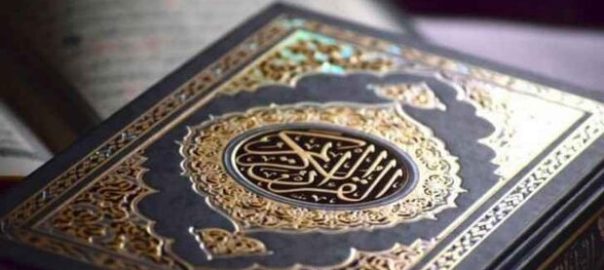
The biggest student Quran gathering was held in Tehran and some countries today. Secretary General of the Quran, Prayers Department at Iran’s Education Ministry said that nearly four million students from different countries took part in the Quranic gathering in the blessed month of Ramadan.
As many as 20,000 Qur’an gatherings were held in schools across the country, Mikael Bagheri said.
Around 800 central gatherings were held in the Iranian cities, he further noted.
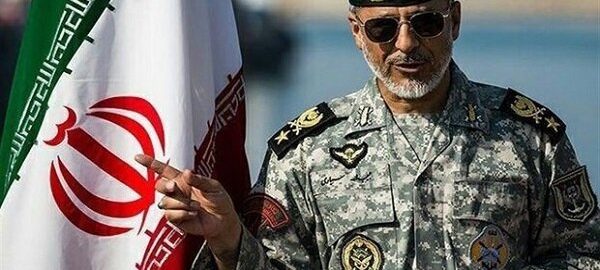
Deputy Commander of Army for Coordination Affairs said on Tuesday that Iran’s Army has reached 90 percent self-sufficiency in the defense industry nowadays.
Rear Admiral Sayyari made the remarks on the sideline of the parade held on Iran’s Army Day. Since the victory of the Islamic Revolution, particularly after the Sacred Defense, big changes have been made in the military equipment, he underscored.
All the equipment that were showcased in today’s army parade are home-grown and enjoys advanced technology, he further noted.
Up to four years ago there were no drones in the army, he said, adding that today the army has a considerable might in the field of drones, and further news on the drones will follow.
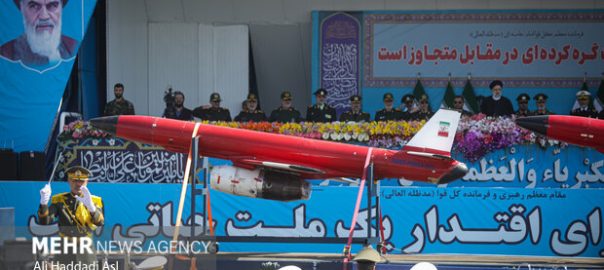
Today, the Islamic Republic of Iran Army units unveiled a broad range of advanced equipment such as homegrown missiles, tanks, armored vehicles, unmanned aerial vehicles, radar systems and air defense missile systems.
Also, in mid-February, the Head of the Iran Aviation Industries Organization (IAIO) said that Iran has successfully attained self-sufficiency in the area of overhauling helicopters. /MNA/
The Islamic Republic of Iran Army units have unveiled a broad range of advanced gear such as homegrown missiles, tanks, armored vehicles, unmanned aerial vehicles, radar systems and air defense missile systems.
Four divisions of the Iranian Army, namely the Ground Force, the Navy, the Air Force, and the Air Defense, held military parades marking the National Army Day on Tuesday in the presence of President Ebrahim Raeisi in Tehran.
Among the major achievements put on display during the parade was the Mohajer-6 drone, which is capable of carrying guided bombs and sophisticated surveillance equipment. It has already been used in combat by the Iranian Armed Forces.
Iran’s first wide-body unmanned combat aerial vehicle, Kaman 22, was also unveiled, along with Iranian suicide drones such as Arash, Kian and Karrar, which could be flown from both ground and offshore launchers, Press TV reported.
Kaman 22 is said to have a range of approximately 3,000 kilometers (1,900 miles) and can carry 300 kilograms of explosives.
Qader (Capable) medium-range anti-ship cruise missile, laser-guided air-to-ground Sattar missile, Fakour-90 (Thoughtful-90) air-to-air missile, Qaem surface-to-air missile, and Shafagh precision-guided missile, which has a range of 20 kilometers, were displayed as well.
The Army’s air defense division unveiled several domestically-developed missile systems, including Damavand strategic and long-range system used for downing various aircraft as well as cruise and ballistic missiles, Nasser 40 navigation assistant radar system, Majid short-range and low-altitude air defense system, Nawab medium-range surface-to-air missile (SAM) system, Mersad mid-range air defense system, Khordad 15 surface-to-air missile system, and Talaash (Endeavor) long-range mobile surface-to-air missile system.
The Army also put on display Kian 600, Kian 700 and Kian 800 super heavy tank transporters, Zulfiqar and Tiam main battle tanks, Seraj artillery system which is equipped with a 35-millimeter cannon and uses both a radar and a new optical system to detect and destroy small flying objects, Matla’ al-Fajr VHF 3D radar, Kavosh precision approach radar, and 900-kilogram Qased (Messenger) smart bomb.
Iranian military experts and technicians have in recent years made great headways in manufacturing a broad range of indigenous equipment, making the armed forces self-sufficient in the arms sphere.
Iran maintains that its military power poses no threat to the regional countries, saying that the Islamic Republic’s defense doctrine is entirely based on deterrence. /MNA/
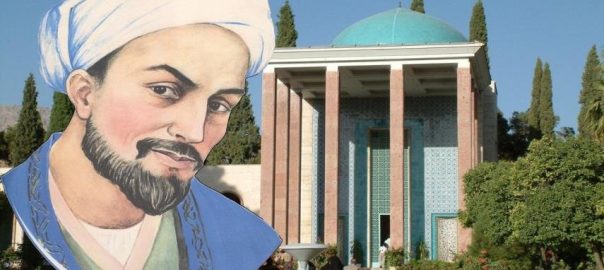
Today is the National Commemoration Day of the renowned Persian poet Saadi Shirazi, born in Shiraz around 1200 and died around 1292.
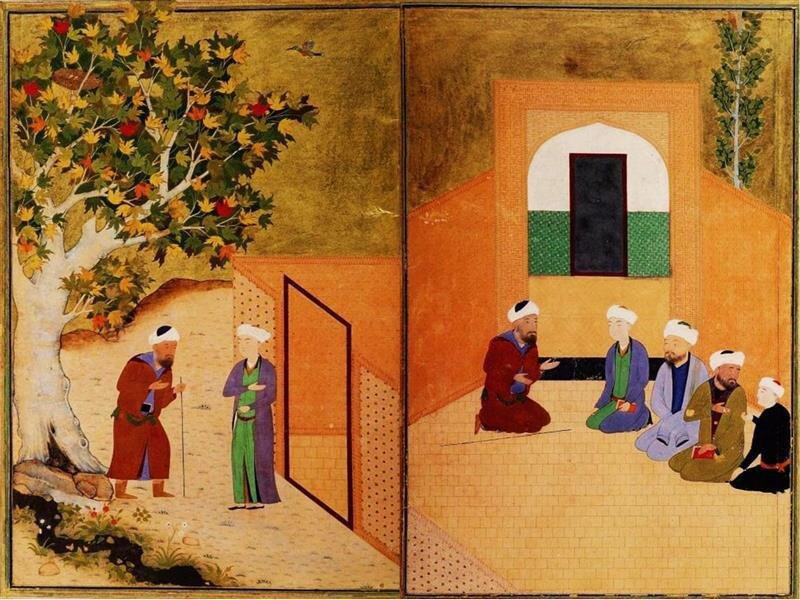
Abu-Muhammad Muslih al-Din bin Abdallah Shirazi, known by his pen-name Saadi, was one of the major Persian poets of the medieval period.
Saadi is known as a mystic and metaphysician in the history of Persian literature. He is recognized for the quality of his writings and for the depth of his social and moral thoughts.
The ancient scholar has gained worldwide fame, not only in the Persian-speaking countries but in western societies, with his poems being quoted in a multitude of sources.
Saadi, who lost his father in childhood, experienced a youth of poverty and hardship; he left his hometown of Shiraz at a young age for Baghdad to pursue a better education. His first experience of education was at the Nezamiyeh University of Baghdad, where he studied Islamic sciences, theology, law, history, and Arabic literature. He traveled to different countries such as Anatolia, Syria, Egypt, and Iraq for thirty years. He also visited Qods, Mecca, and Medina.
The Master of Speech, as he is called, was a man of learning and traveling. He mingled with people from different groups from intellectuals, merchants, preachers, farmers, ordinary people to Sufi dervishes and even the thieves, trying to learn and study and also preach and advise people to gravitate to the wisdom and morality.
Returning to Shiraz as an elderly man, Saadi was greatly welcomed and respected by the ruler and the prominent figures of the city.
He spent the rest of his life in his birthplace till he passed away in around 1292.
Works
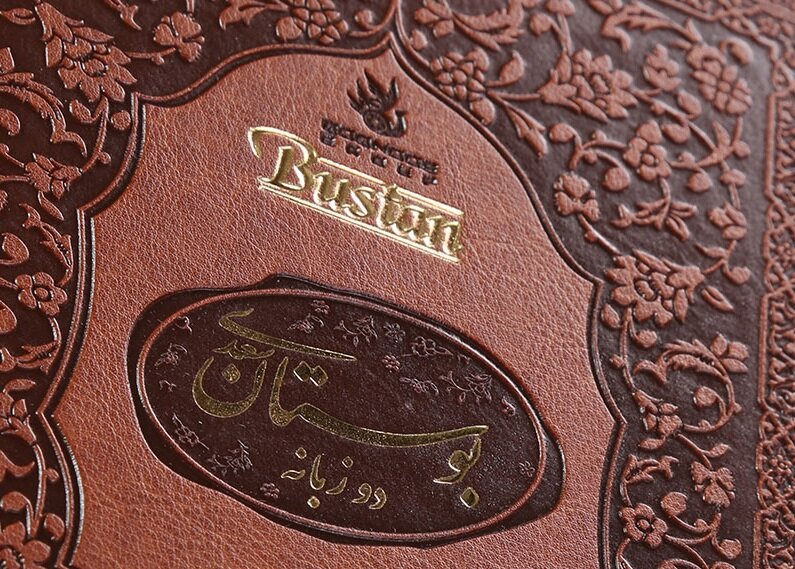
Saadi’s best-known masterpieces are Bustan (The Orchard) completed in 1257 and Gulistan (The Flower Garden) in 1258.
Bustan, as his best-known work, was completed in 1257. It is quite in verse, including 4,000 verses in 183 stories about the virtues such as justice, kindness, love, modesty, liberality, generosity, satisfaction and happiness, and the ecstatic practices of dervishes addressing all people to have a better and happier life.
A year after the completion of Bustan, Saadi composed his masterpiece Gulistan.
Gulistan, comprised of 8 chapters is mainly in prose. The book widely addresses kings’ morality, dervishes’ behavior, benefits of contentment, silence and talking in proper time, love and youthfulness, weakness in old age, and education.
Saadi attempts to advise people to live freely and to improve the quality of their lives in Gulistan.
It is one of the most effective books in prose in Persian literature.
Saadi’s other works include Ghazals (love poems or Lyrics; sonnets), qasidas (longer mono-rhyme poems or Odes), quatrains and short pieces in prose in both Persian and Arabic. He is known as one of the greatest ghazal-writers of Persian poetry besides Hafiz.
Nature of Saadi’s poems
Saadi elaborately distinguishes between the spiritual and the mundane aspects of life in his works. He tries to visualize the deepest meanings of life in the most tangible contexts and close to conversational language as far as possible in such a way that even common people can get the most out of his writings.
He is a well-known poet among world scholars.
Goethe and Andre du Ryer presented Saadi to the west for the first time in 1634. The first complete translation of Golestan in English was done by Sir Richard Francis Burton.
In one of Saadi’s most well-known immortal poetries, he considers all humans as different parts of a whole body, regardless of social barriers and races:
“Human beings are members of a whole
In creation of one essence and soul
If one member is afflicted with pain
Other members uneasy will remain
If you have no sympathy for human pain
The name of human you cannot retain”
Mausoleum
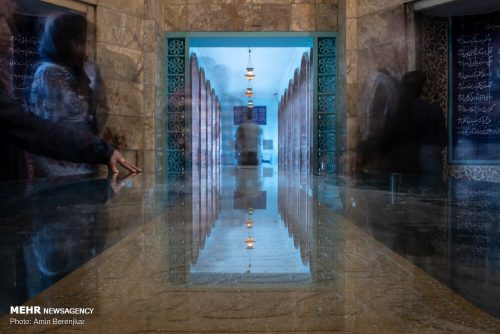
Saadi’s tomb is located in southern Shiraz. His mausoleum, also called Saadieh, is one of Iran’s major tourist attractions.
The tomb was first built in the 13th century. However, after being destroyed in the 17th century, it remained untouched till the present-day building was constructed in the 1950s.
Many Persian elements have been used in its architecture. It is also a National Heritage Site.
Every year, a number of literati and scholars from around the world gather at the mausoleum on April 20 to commemorate the great Persian. /T.T/
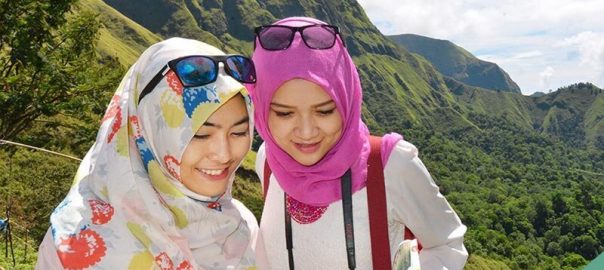
Rich cultural heritage, superb cuisine, diverse landscapes, and extensive Islamic attractions make Iran one of the top destinations for halal tourism.
One of the main prospects of halal tourism is the availability of halal food that is ubiquitous in the Muslim-majority country; all restaurants and hotels cater to the dietary requirements of Muslim travelers who follow Islamic guidelines during their vacations.
Travelers can enjoy authentic Iranian cuisine that is prepared to keep Islamic guidelines in mind. This attracts Muslim families, as they don’t have to worry about the availability of halal food options during their vacation.
Iran is a country with a rich Islamic history and heritage. The country has many Islamic attractions that are of great interest to Muslim travelers. These include historical sites, mosques, shrines, and museums that showcase Islamic art and architecture. The city of Mashhad is especially famous for its many shrines, including the shrine of Imam Reza (AS), which is one of the most sacred places for Shia Muslims.
Another prospect for halal tourism in Iran is the availability of prayer facilities. Mosques are available everywhere, and travelers can easily find a clean and quiet place to pray, regardless of where they are. Additionally, many hotels also provide prayer facilities, such as prayer mats for their guests.
Halal tourism in Iran also benefits from the availability of halal hotels. Many hotels in Iran cater to halal tourism and provide separate facilities for men and women. For instance, hotels offer separate swimming pools or beach areas for men and women, ensuring families can enjoy their vacations within Islamic guidelines. Women-friendly airports, hospitals and parks are also in the pipeline that can boost the overall scope of halal tourism in the Islamic Republic.
In conclusion, there is significant potential for halal tourism in Iran to thrive. The country’s rich cultural heritage, diverse landscapes, Islamic attractions, and friendly environment for Muslim travelers make it an attractive destination for halal tourism. Therefore, the promotion of halal tourism in Iran can prove to be a game-changer for the tourism industry, attracting numerous Muslim travelers not only from the neighboring countries but also from various other Muslim and Arab countries.
Available data suggest that the global halal tourism market holds a forecasted revenue of $255 billion in 2022 and is likely to reach $365 billion by the end of 2032. /T.T/
The organizers of the 10th edition of a festival dedicated to nomads and the nomadic lifestyle in the northwestern province of Ardabil have planned to hold the festival internationally for the first time.
This festival, planned since May, is nearing its date, and preparations are underway for this international event, the provincial tourism chief has said.
Festival preparations and organization are being undertaken by all related organizations and tourism bodies in the province, Hassan Mohammadi Adib explained on Sunday.
Earlier this month, the official announced that the representatives and ambassadors of member states of the Economic Cooperation Organization (ECO) have been invited to attend the event as the festival coincides with the opening ceremony of the “Ardabil 2023” event.
Visitors may experience the charm of the nomadic lifestyle at this festival, which showcases the capabilities of the nomads of this region, he noted.
ECO has added the festival of nomads to its annual calendar, bringing the event to an international level in 2023.
It has been a tradition to hold the nomad festival every May accompanied by the Moghan plain nomads, and this year the event will be held internationally.
In 2019, Ardabil along with Sari, the capital of Mazandaran province, were selected as the cultural capitals of the Economic Cooperation Organization for 2022 and 2023, respectively.
Last April, the tourism authorities of the province announced that they had developed extensive plans to draw more tourists during the winter to the province and make it the winter tourism hub of the country.
Sprawling on a high, windswept plateau, Ardabil is well known for having abundant natural beauty, hospitable people, and its silk and carpet trade tradition. It is also home to the UNESCO-registered Sheikh Safi al-Din Khanegah and the Shrine Ensemble.
The province is freezing in winter and mild in summer, attracting thousands every year. The capital city of Ardabil is usually recorded as one of the coldest cities in the country in winter.
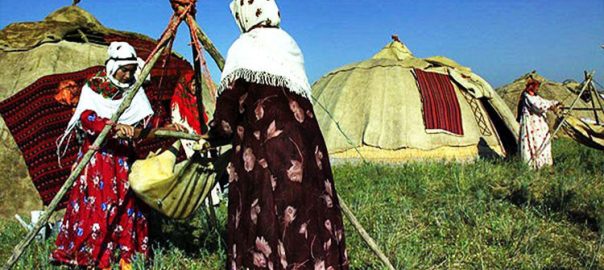
Heaven for nomadic people, Ardabil is home to some nomadic tent hotels, which are reportedly the first of their kind in the country.
The Islamic Republic seeks to boost ethnic tourism or tribe tourism in which holidaymakers may even stay with a nomadic family or enjoy an independent stay.
Many tourists from all over the world tend to observe the lifestyle of these hardworking people and spend a few days watching activities such as milking, yogurt making, buttering, oiling, woolen, carpeting, and much more.
The varied natural setting of the country never disappoints visitors when it comes to tribal tourism as the culturally diverse country is home to many regional people including ones with Turk and Arab elements in addition to the Kurds, Baloch, Bakhtyari, Lurs, and other smaller minorities such as Armenians, Assyrians, Jews and others.
Language, music, indigenous cuisine, clothing, songs, anecdotes, crafts, live performances, and local rituals such as celebrations and wedding ceremonies have always spurred many to experience life among the tribes. / T.T/
A lineup of movies by Iranian filmmakers is being screened in different sections of the 42nd Istanbul Film Festival underway in the Turkish city of Istanbul.
The lineup includes “World War III”, Iran’s submission to the 2023 Oscars, which has been selected to be screened in the international competition.
Directed by Hooman Seyyedi, the film follows a downtrodden day laborer as he appears to be given the opportunity of a lifetime when he’s cast in a bad film about the Holocaust, only to have his life turned upside down.
“Subtraction”, a co-production between Iran and France by Mani Haqiqi, has been picked to be screened in the Best of the Fests section.
The drama follows driving instructor Farzaneh, when she spots her husband on the streets of Tehran, even though he is supposed to be out of town on a business trip, she naturally suspects the worst. Following him, Farzaneh’s fears are seemingly confirmed when she sees him visiting another woman. With that woman’s husband also suspecting something is awry, the situation erupts into violence. Yet, all is not quite what it seems.
“Numb” by Amir Tuderusta is competing in the Young Masters category.
Pre-school is the first and last time boys and girls can learn together freely in Iran. “Numb” is set in a kindergarten and follows the curious little boy Roham. Roham falls in love with his classmate Rana and discovers the complicated secrets of her personal life all the while confronting the class bully.
“The Doll” has been selected to be shown in the Cinemania section.
Directed by Asghar Yusefinejad, the film tells the story of the aging family man Ayyub, who decides to marry a young woman when his wife of forty years, Shamsi, disappears under dubious circumstances. No one in the family seems to approve of this formidable and cheeky woman, because the new bride, Roya, is the caretaker of Ayyub’s mentally challenged adult son. As the wedding festivities drag on, the flavor is lost, while uninvited guests, the revelation of unpleasant secrets and true intentions upset the balance of the extended family.
This section also features six shorts by Iranian filmmaker Maryam Tafakory, including “Nazarbazi”, “Poem & Stone” and “Fragments of a Letter to a Child Unborn”.
The Istanbul Film Festival, which is organized by the Istanbul Foundation for Culture and Arts, will announce winners on April 18. /T.T/
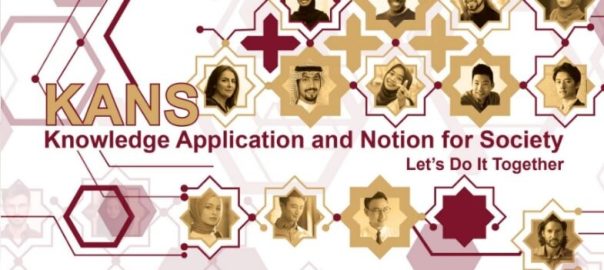
The third edition of KANS (Knowledge Application and Notion for Society) scientific competition will be held this year, calling for scholars, researchers, and innovators from Islamic countries to show their technological achievements or solutions for challenges.
Scholars, researchers, innovators, university students, and professors under 45 years of age submitted their scientific and technological ideas and achievements in the form of a 5-minute video presentation to participate in KANS 2023.
The event aims at finding the best scientific solutions to spot and tackle the problems of society while having accomplished the goals of using the character and capacities of the expert community, providing an accumulation of scientific works, raising the level of motivation and creativity in young elites, establishing a platform to identify and exchange scientific and technological ideas, and having researchers engaged in purposeful and sustainable interaction.
The first edition of the competition was held in 2017 in five fields of health, energy, economy, water and environment, information, and communication technology, with the participation of more than 600 technologists and young researchers from the country.
The second edition was also held in 2020 in 6 areas of water, environment and energy, health and medical technology, information and communication technology, economy, banking and financing, transportation, and mining and mineral industries, with the participation of nearly 700 technologists and scientists from more than 20 countries.
The third edition hosts the best projects of young scientists of the Islamic world in six areas of electricity, electronics and robotics, information and communication technology and artificial intelligence, water, energy and environment, health and medical equipment, agriculture and food industry, and mining and mineral industries.
Each of these areas includes a section called the free section and a challenges section. In general, the free sector in all fields is the idea of a conceptual design of a prototype or a new product that solves a challenge in the health and medical equipment sector or helps to improve the level of competence in that field.
Agricultural disease monitoring and forecasting tools, orchard spraying machines, early detection of disease in fruit plants using deep learning, and integrated agriculture equipped with the Internet of Things are some of the challenges in the field of food and agriculture industries.
Artificial intelligence and brain tumor imaging, artificial intelligence and retinal disease (retinopathy), artificial intelligence in pharmaceuticals, and nanosensors for cancer diagnosis (biomedical applications) are some of the challenges in the field of health and medical equipment.
The pollution caused by plastic and microplastics, electronic waste pollution, cleanup of oil-contaminated soils, development of wastewater treatment technologies, environmental issues, water resources management, and energy consumption management are some of the challenges in the field of water, energy, and environment.
In the field of electrical, electronics, and robotics, attracting students to STEM science, technology, engineering, and math programs, wireless energy transfer for charging electronic cars, FMCW radar for commercial applications, organic solar cells for powering electronic devices, and sensors are important.
In the field of information and communication technology and artificial intelligence, unsupervised machine learning, justifiable artificial intelligence, the expansion of educational justice through technology, educational assistive technology for autism, online identity verification, gastrointestinal systems, and remote ophthalmology have been presented as a challenge.
In the field of mining and mineral industries, extraction and separation of rare earth elements from concentrate, conversion of calcium sulfate as a by-product of a chemical process into building plaster, methods of extraction and separation on an industrial scale, extraction of natural gas from coal layers, and determination of reserves and accurate grading of minerals are discussed. /T.T/
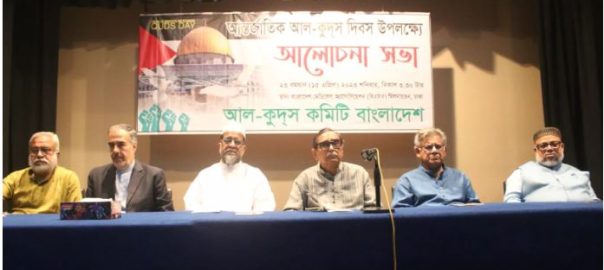
A seminar marking the al-Quds Day was held on Saturday at Bangladesh Medical Association Auditorium in the capital. Rashed Khan Menon, president of the Parliamentary Standing Committee on the Ministry of Social Welfare, was present as chief guest while Iranian ambassador to Bangladesh Mansour Chavoshi and former Election Commissioner Brigadier M Sakhawat Hossain attended the seminar as special guests.
Chaired by Shah Kawthar Mustafa Abululayee, president of Al-Quds Committee Bangladesh and chairman of DU’s Philosophy Department, Bangladesh Supreme Court senior lawyer Advocate AKM Badruddoja delivered the welcome address on the occasion.
Rashed Khan Menon, in his speech, said the day is a milestone for every nation involved in the fight for national rights.
“Not only religious feelings but also justice and rights are involved with this day, he said, adding that those who blocked the holy land, including Masjid al-Aqsa, are not only haters of Islam, they are haters of humanity.”
Ambassador Mansour Chavoshi said Imam Khomeini, the undisputed leader of the Islamic Republic of Iran, announced the observance of Al-Quds Day on the last Friday of every Ramadan as a means of expressing unity and solidarity with the oppressed Palestinian nation, which is being celebrated internationally in most Muslim countries today. This day is a symbol of the unity of Muslims around the world and a united voice of the Muslim world against the ‘Zionist’ Jews, he added.
Palestinians have been deprived of the free citizenship of an independent land for a long time. To get back their right, the entire Muslim world must unite and demand an independent Palestine before the international community and free the Holy Land, including Masjid al-Aqsa, from the hands of the Jewish occupiers, said the ambassador.
Dr. Syed Muhammad Emdad Uddin, Khatib, Central Mosque, University of Dhaka and Professor Dr. Saiful Islam Khan, Dept. of Persian Language & Literature, University of Dhaka was present as guests of honor..