Seven movies by female Iranian directors will be reviewed in a special program during the Brussels Short Film Festival, which will take place from April 26 to May 6 in the Belgian capital.
“This program aims to show different points of view of Iranian women on issues that concern them directly,” the organizers have said in their statement.
“Through animation and fiction, these films look at the challenges of the contemporary period and offer a glimpse into the place of women in Iranian society and beyond,” they added.
The screening will be followed by a discussion moderated by Fery Malek-Madani, the founder and administrator of Art Cantara in Brussels, and Farnush Samadi, an Iranian director who is a member of the festival’s international jury.
Samadi’s short drama “Gaze” is a highlight of the program. It is about a woman who witnesses something happening on the bus on her way back from work, but she has to decide whether to reveal it or not.
The program also features “Horn” by Ghasideh Golmakani. It follows a woman from Tehran who urgently needs to find a parking space for her car. This results in disturbing the concentration of the men on the street.
The winner of the Golden Cyrus Cylinder for best short at the 7th Iranian Film Festival in Zurich, “The Visit” will also be screened.
Directed by Azadeh Musavi, the movie is about Elaheh who is finally allowed to visit her husband, a political prisoner, after a delay of six months. She and her little daughter Tara have one single day to prepare for this important meeting.
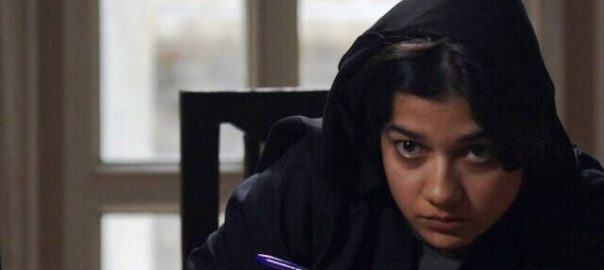
Directed by Sonia K. Haddad, “Exam”, winner of the grand prize of the jury at the 2021 Dieciminuti Film Festival in Italy, has also been selected for the program.
The drama tells the story of a teenage girl who gets involved in the process of delivering a pack of cocaine to a client, and gets stuck in a weird cycle of occurrences.
The program will also screen “Leftover” by Yasaman Hassani, “Hanged” by Roqieh Tavakkoli and “The Zoo” by Nafiseh Zare’. /T.T/
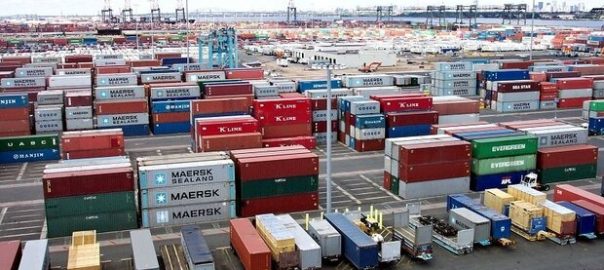
The value of Iran’s non-oil export to its neighbors rose 19 percent in the past Iranian calendar year 1401 (ended on March 20), the spokesman of Trade Development Committee of the Iranian House of Industry, Mining, and Trade announced.
Ruhollah Latifi said that 75.184 million tons of non-oil commodities worth $30.537 billion were exported to the neighboring countries in the previous year.
Iraq with the purchase of non-oil goods worth $10.238 billion (15 percent growth) and registering a historical record, Turkey with $7.459 billion (23 percent growth), the United Arab Emirates (UAE) with $5.767 billion (28 percent growth), Afghanistan with $1.638 billion (11 percent drop), and Pakistan with $1.448 billion (18 percent growth), were the first five export destinations of Iranian goods among the neighbors, the official said and added that Oman with $1.087 billion, Russia with $744 million, Azerbaijan with $654 million, Armenia with $464 million, Turkmenistan with $460 million, Kuwait with $198 million, Kazakhstan with $195 million, Qatar with $124 million, Saudi Arabia with $14.7 million, and Bahrain with $10.4 million ranked next.
According to Latifi, Iran imported 21.582 million tons of non-oil products valued at $28.305 billion from its neighbor in the past year, with a 10-percent growth in worth year on year.
The UAE with sales of $18.395 billion (11 percent growth), Turkey with $6.999 billion (15 percent growth), Russia with $1.577 billion (five percent drop), Pakistan with $842 million (170 percent growth), and Oman with $619 million (29 percent growth) were the first five sources of goods sales to Iran among the neighbors, he said and added that Iraq with sales of $264 million, Kazakhstan with $125 million, Qatar with $84 million, Azerbaijan with $34 million, Afghanistan with $29 million, Turkmenistan with $28 million, Armenia with $14 million, Kuwait with $12.5 million, and Bahrain with $3.5 million are in the next ranks respectively.
Latifi, who is the former spokesman of the Islamic Republic of Iran Customs Administration (IRICA), further stated that Iran’s non-oil trade with neighboring countries accounted for 52 percent of its total non-oil trade, exports to these countries for 57.5 percent of the total non-oil exports, and imports from them for 47.5 percent of the country’s total non-oil imports in 1401, which shows the increasing importance of neighbors in Iran’s foreign trade and bringing foreign currency to meet the needs of the country under sanctions.
As previously announced by Latifi, the value of Iran’s non-oil export rose 10 percent in the past Iranian calendar year.
He said that 122.056 million tons of non-oil commodities worth $53.166 billion were exported in the previous year.
The official also announced that 37.18 million tons of non-oil commodities valued at $59.655 billion were imported to the country during the past year, with a 10 percent drop in weight, and a 13 percent rise in worth, year on year.
He went on to say that the country’s non-oil trade reached 159.236 million tons worth $112.821 billion in the previous year, with an 11.2 percent growth year on year.
Increasing non-oil exports to the neighboring countries is one of the major plans that the Iranian government has been pursuing in recent years.
Iran shares land or water borders with 15 countries namely UAE, Afghanistan, Armenia, Azerbaijan, Bahrain, Iraq, Kuwait, Kazakhstan, Oman, Pakistan, Qatar, Russia, Turkey, Turkmenistan, and Saudi Arabia.
From its early days, the administration of President Ebrahim Raisi attached great importance to upgrading relations with neighboring countries. Advancing economic diplomacy is the fulcrum of this orientation, known as the Neighborhood Policy.
In order to achieve the goals of this Policy, the Raisi administration initiated multiple visits and tours. President Raisi and his foreign minister Hossein Amir Abdollahian visited numerous countries and used everything in their power to boost Iran’s relations. /T.T/
A total of 2.64 million of non-oil goods worth $1.43 billion were exported from East Azarbaijan Province to over 100 countries. According to Leili Orangi, a local customs official, a total of 2.64 million of non-oil goods worth $1.43 billion were exported from East Azarbaijan Province to over 100 countries during the first 11 months of last Iranian year (March 21, 2022-Feb. 19), registering a 4% rise in terms of weight, but a 3% fall in value.
Steel products (such as rebars, sheets and pipes), can and profile, plastic materials and products, chemical and petrochemical products, nuts and dried fruits (such as dates, pistachio and raisin), petroleum products (such as bitumen and industrial and mineral oils), copper products (such as copper tubes and cables), plumbing accessories and fittings, cereal products (such as wafer and biscuit), glass products, machines and mechanical devices were the main products among the 79 types of goods exported during the period. /MNA/
Iranian badminton players have snatched five medals in the 2023 World Transplant Games underway in Perth, Australia. Iran’s athlete bagged two gold, two silver and one bronze in badminton.
Previously, Iranian athletes bagged nine medals in petanque and squash at the end of the second day.
Athletes and teams from 45 countries are participating in Perth for a week of competition and camaraderie.
Athletes are competing in 17 various sports fields during 15-21 April 2023. / MNA/
The song ‘Lonely Fighter’ composed by Reza Aliabadi won the award of the ‘World Music’ section at the Academia Music Awards held in the US.
Produced by the “Hafdang” group, the piece has been both played and composed by Reza Aliabadi. 20 of his students accompanied him under the framework of the Jami music band.
Reza Aliabadi who is acquainted with Tanbur since his childhood is the third Iranian who has managed to win the award at the Academia Music Awards after Alireza Ghorbani and Pouya Saraei.
The Akademia Music Awards is dedicated to recognizing top musical talent from all across the globe. Each month, the executive team of the event reviews hundreds of music submissions in each genre to identify and select the top artists. /MNA/
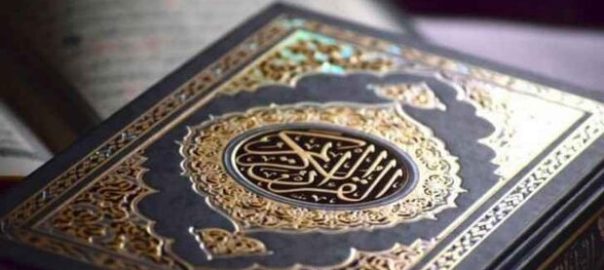
The biggest student Quran gathering was held in Tehran and some countries today. Secretary General of the Quran, Prayers Department at Iran’s Education Ministry said that nearly four million students from different countries took part in the Quranic gathering in the blessed month of Ramadan.
As many as 20,000 Qur’an gatherings were held in schools across the country, Mikael Bagheri said.
Around 800 central gatherings were held in the Iranian cities, he further noted.
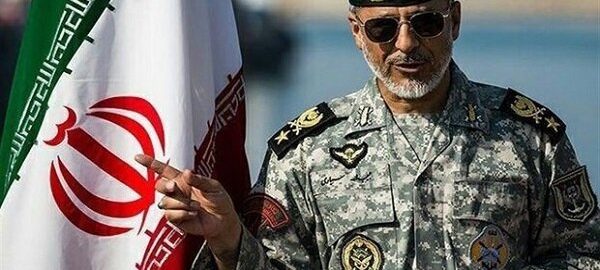
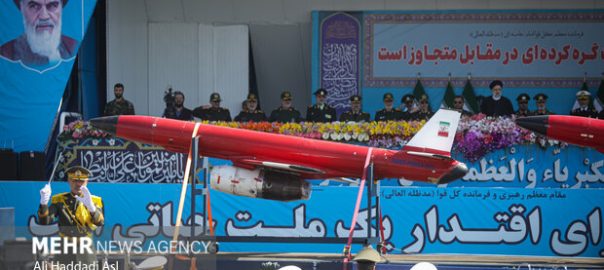
Deputy Commander of Army for Coordination Affairs said on Tuesday that Iran’s Army has reached 90 percent self-sufficiency in the defense industry nowadays.
Rear Admiral Sayyari made the remarks on the sideline of the parade held on Iran’s Army Day. Since the victory of the Islamic Revolution, particularly after the Sacred Defense, big changes have been made in the military equipment, he underscored.
All the equipment that were showcased in today’s army parade are home-grown and enjoys advanced technology, he further noted.
Up to four years ago there were no drones in the army, he said, adding that today the army has a considerable might in the field of drones, and further news on the drones will follow.
Today, the Islamic Republic of Iran Army units unveiled a broad range of advanced equipment such as homegrown missiles, tanks, armored vehicles, unmanned aerial vehicles, radar systems and air defense missile systems.
Also, in mid-February, the Head of the Iran Aviation Industries Organization (IAIO) said that Iran has successfully attained self-sufficiency in the area of overhauling helicopters. /MNA/
The Islamic Republic of Iran Army units have unveiled a broad range of advanced gear such as homegrown missiles, tanks, armored vehicles, unmanned aerial vehicles, radar systems and air defense missile systems.
Four divisions of the Iranian Army, namely the Ground Force, the Navy, the Air Force, and the Air Defense, held military parades marking the National Army Day on Tuesday in the presence of President Ebrahim Raeisi in Tehran.
Among the major achievements put on display during the parade was the Mohajer-6 drone, which is capable of carrying guided bombs and sophisticated surveillance equipment. It has already been used in combat by the Iranian Armed Forces.
Iran’s first wide-body unmanned combat aerial vehicle, Kaman 22, was also unveiled, along with Iranian suicide drones such as Arash, Kian and Karrar, which could be flown from both ground and offshore launchers, Press TV reported.
Kaman 22 is said to have a range of approximately 3,000 kilometers (1,900 miles) and can carry 300 kilograms of explosives.
Qader (Capable) medium-range anti-ship cruise missile, laser-guided air-to-ground Sattar missile, Fakour-90 (Thoughtful-90) air-to-air missile, Qaem surface-to-air missile, and Shafagh precision-guided missile, which has a range of 20 kilometers, were displayed as well.
The Army’s air defense division unveiled several domestically-developed missile systems, including Damavand strategic and long-range system used for downing various aircraft as well as cruise and ballistic missiles, Nasser 40 navigation assistant radar system, Majid short-range and low-altitude air defense system, Nawab medium-range surface-to-air missile (SAM) system, Mersad mid-range air defense system, Khordad 15 surface-to-air missile system, and Talaash (Endeavor) long-range mobile surface-to-air missile system.
The Army also put on display Kian 600, Kian 700 and Kian 800 super heavy tank transporters, Zulfiqar and Tiam main battle tanks, Seraj artillery system which is equipped with a 35-millimeter cannon and uses both a radar and a new optical system to detect and destroy small flying objects, Matla’ al-Fajr VHF 3D radar, Kavosh precision approach radar, and 900-kilogram Qased (Messenger) smart bomb.
Iranian military experts and technicians have in recent years made great headways in manufacturing a broad range of indigenous equipment, making the armed forces self-sufficient in the arms sphere.
Iran maintains that its military power poses no threat to the regional countries, saying that the Islamic Republic’s defense doctrine is entirely based on deterrence. /MNA/
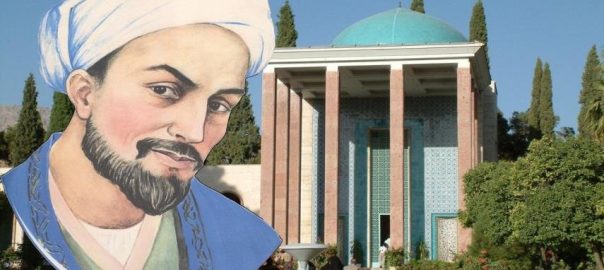
Today is the National Commemoration Day of the renowned Persian poet Saadi Shirazi, born in Shiraz around 1200 and died around 1292.
Abu-Muhammad Muslih al-Din bin Abdallah Shirazi, known by his pen-name Saadi, was one of the major Persian poets of the medieval period.
Saadi is known as a mystic and metaphysician in the history of Persian literature. He is recognized for the quality of his writings and for the depth of his social and moral thoughts.
The ancient scholar has gained worldwide fame, not only in the Persian-speaking countries but in western societies, with his poems being quoted in a multitude of sources.
Saadi, who lost his father in childhood, experienced a youth of poverty and hardship; he left his hometown of Shiraz at a young age for Baghdad to pursue a better education. His first experience of education was at the Nezamiyeh University of Baghdad, where he studied Islamic sciences, theology, law, history, and Arabic literature. He traveled to different countries such as Anatolia, Syria, Egypt, and Iraq for thirty years. He also visited Qods, Mecca, and Medina.
The Master of Speech, as he is called, was a man of learning and traveling. He mingled with people from different groups from intellectuals, merchants, preachers, farmers, ordinary people to Sufi dervishes and even the thieves, trying to learn and study and also preach and advise people to gravitate to the wisdom and morality.
Returning to Shiraz as an elderly man, Saadi was greatly welcomed and respected by the ruler and the prominent figures of the city.
He spent the rest of his life in his birthplace till he passed away in around 1292.
Works
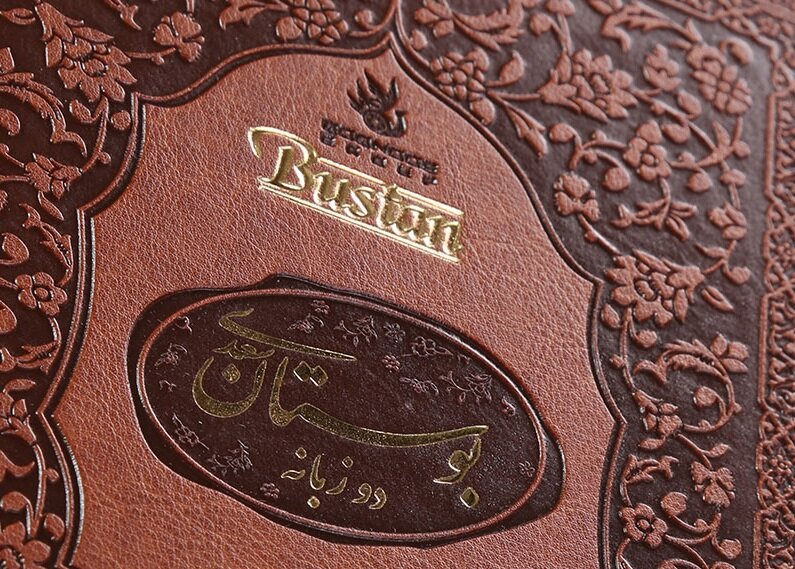
Saadi’s best-known masterpieces are Bustan (The Orchard) completed in 1257 and Gulistan (The Flower Garden) in 1258.
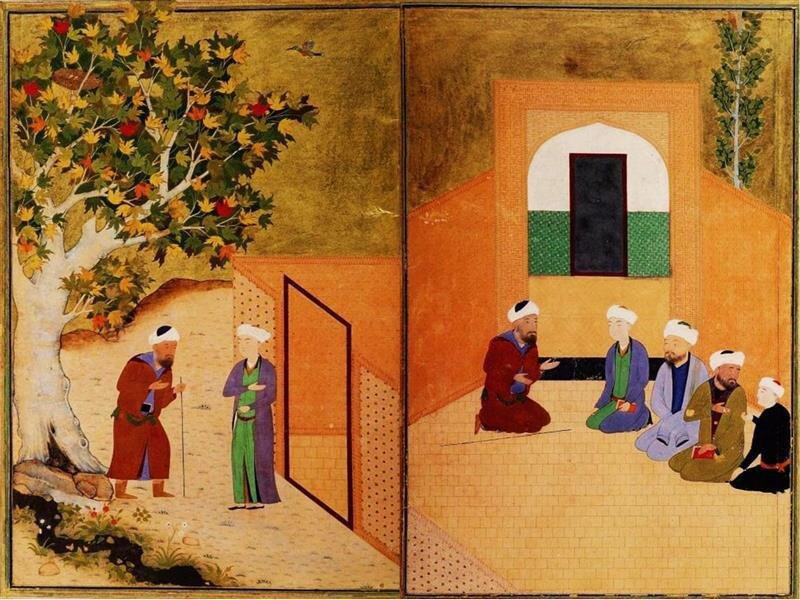
Bustan, as his best-known work, was completed in 1257. It is quite in verse, including 4,000 verses in 183 stories about the virtues such as justice, kindness, love, modesty, liberality, generosity, satisfaction and happiness, and the ecstatic practices of dervishes addressing all people to have a better and happier life.
A year after the completion of Bustan, Saadi composed his masterpiece Gulistan.
Gulistan, comprised of 8 chapters is mainly in prose. The book widely addresses kings’ morality, dervishes’ behavior, benefits of contentment, silence and talking in proper time, love and youthfulness, weakness in old age, and education.
Saadi attempts to advise people to live freely and to improve the quality of their lives in Gulistan.
It is one of the most effective books in prose in Persian literature.
Saadi’s other works include Ghazals (love poems or Lyrics; sonnets), qasidas (longer mono-rhyme poems or Odes), quatrains and short pieces in prose in both Persian and Arabic. He is known as one of the greatest ghazal-writers of Persian poetry besides Hafiz.
Nature of Saadi’s poems
Saadi elaborately distinguishes between the spiritual and the mundane aspects of life in his works. He tries to visualize the deepest meanings of life in the most tangible contexts and close to conversational language as far as possible in such a way that even common people can get the most out of his writings.
He is a well-known poet among world scholars.
Goethe and Andre du Ryer presented Saadi to the west for the first time in 1634. The first complete translation of Golestan in English was done by Sir Richard Francis Burton.
In one of Saadi’s most well-known immortal poetries, he considers all humans as different parts of a whole body, regardless of social barriers and races:
“Human beings are members of a whole
In creation of one essence and soul
If one member is afflicted with pain
Other members uneasy will remain
If you have no sympathy for human pain
The name of human you cannot retain”
Mausoleum
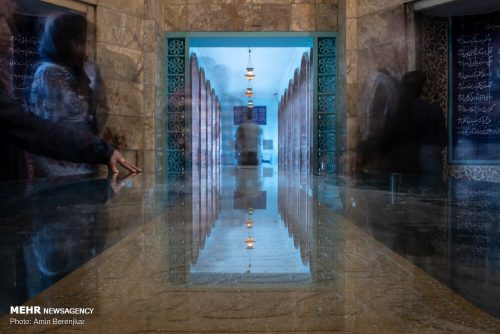
Saadi’s tomb is located in southern Shiraz. His mausoleum, also called Saadieh, is one of Iran’s major tourist attractions.
The tomb was first built in the 13th century. However, after being destroyed in the 17th century, it remained untouched till the present-day building was constructed in the 1950s.
Many Persian elements have been used in its architecture. It is also a National Heritage Site.
Every year, a number of literati and scholars from around the world gather at the mausoleum on April 20 to commemorate the great Persian. /T.T/
Rich cultural heritage, superb cuisine, diverse landscapes, and extensive Islamic attractions make Iran one of the top destinations for halal tourism.
One of the main prospects of halal tourism is the availability of halal food that is ubiquitous in the Muslim-majority country; all restaurants and hotels cater to the dietary requirements of Muslim travelers who follow Islamic guidelines during their vacations.
Travelers can enjoy authentic Iranian cuisine that is prepared to keep Islamic guidelines in mind. This attracts Muslim families, as they don’t have to worry about the availability of halal food options during their vacation.
Iran is a country with a rich Islamic history and heritage. The country has many Islamic attractions that are of great interest to Muslim travelers. These include historical sites, mosques, shrines, and museums that showcase Islamic art and architecture. The city of Mashhad is especially famous for its many shrines, including the shrine of Imam Reza (AS), which is one of the most sacred places for Shia Muslims.
Another prospect for halal tourism in Iran is the availability of prayer facilities. Mosques are available everywhere, and travelers can easily find a clean and quiet place to pray, regardless of where they are. Additionally, many hotels also provide prayer facilities, such as prayer mats for their guests.
Halal tourism in Iran also benefits from the availability of halal hotels. Many hotels in Iran cater to halal tourism and provide separate facilities for men and women. For instance, hotels offer separate swimming pools or beach areas for men and women, ensuring families can enjoy their vacations within Islamic guidelines. Women-friendly airports, hospitals and parks are also in the pipeline that can boost the overall scope of halal tourism in the Islamic Republic.
In conclusion, there is significant potential for halal tourism in Iran to thrive. The country’s rich cultural heritage, diverse landscapes, Islamic attractions, and friendly environment for Muslim travelers make it an attractive destination for halal tourism. Therefore, the promotion of halal tourism in Iran can prove to be a game-changer for the tourism industry, attracting numerous Muslim travelers not only from the neighboring countries but also from various other Muslim and Arab countries.
Available data suggest that the global halal tourism market holds a forecasted revenue of $255 billion in 2022 and is likely to reach $365 billion by the end of 2032. /T.T/