All posts by islam

Iran producing advanced rockets despite sanctions

Today, despite ongoing sanctions, Iran is producing advanced rockets and launching satellites into space, the country’s embassy in London has stressed.

“Iran has successfully launched its domestically-developed Chamran 1 research satellite into orbit, marking a significant milestone in the country’s space program,” Iran’s embassy in London said in a post on X social media platform, referring to the successful launch of the Chamran-1 satellite into orbit.

“The era when Iran struggled to purchase missiles from others to defend itself during an imposed war has passed,” it added.

“Today, despite ongoing sanctions, Iran is producing advanced rockets and launching satellites into space. It’s time to address Iran with respect, not through the language of sanction,” it concluded.

On Saturday, the Chamran-1 research satellite was launched into space by the Qaem 100 satellite carrier and was successfully placed in a 550 km orbit.

The Chamran-1 satellite weighs about 60 kg and its main mission is to test hardware and software systems to prove orbital maneuver technology in height and phase.

Designed and built by IRGC aerospace experts, the Qaem-100 satellite carrier was able to successfully complete the orbiting operation of Chamran-1 satellite.  /MNA/

Iranian students grab medals at WorldSkills Competition

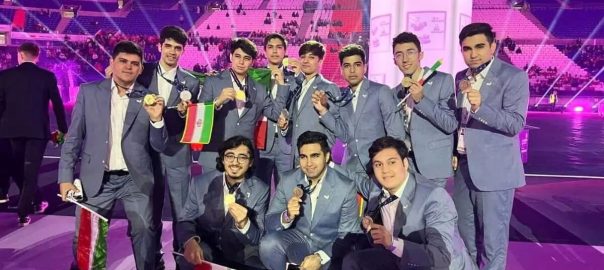
A total of 18 students from Iran attended the 47th WorldSkills Competition, winning 9 medals including a silver medal and medallions for excellence.

The competition was held from September 10 to 15 in Lyon, France. Some 1,500 competitors from more than 65 countries and regions around the world gathered in Lyon to compete in different skills.

Hasan Mohammadi and Hamid-Reza Hamidi won the silver medal, IRIB reported.

Also, Alireza Pouchali, Arian Taheri, Armin Taheri, Amir-Mohammad Abouei, Mohammad Hosseini, Amir-Abbas Qasemi, Mehrdad Shirvani, and Reza Gholami received the medallion for excellence in Cloud Computing, Graphic Design Technology, IT Network Systems Administration, Refrigeration and air conditioning, Jewellery, Web Technologies, IT Software Solution for business, and Mobile Applications Development, respectively.

The medallion for excellence is awarded to Competitors who obtain a high level of excellence, with 700 or more points.

The WorldSkills Competition, the world’s largest skills Competition, is held every two years. It is a true opportunity for young professionals from all over the world to participate in an international competition, measure, and showcase their skills.

The competitors must not be older than 22 in the year of the Competition. There are 62 skill competitions, including 59 Official skills and 3 Exhibition skills.

In 2024, six skill competitions debuted at a centralized WorldSkills Competition including Additive Manufacturing, Digital Construction, Industrial Design Technology, Optoelectronic Technology, Renewable Energy, and Robot Systems Integration.

Intl. achievements

Iran grabbed a gold medal, two silver medals, and a bronze medal at the 36th International Olympiad in Informatics (IOI), ranking 9th among 96 countries.

Hosted in Alexandria, Egypt, the event started on September 1 and concluded on September 8, IRNA reported.

Each participating country selected a team of up to four contestants to represent their nation.

The team competed in a two-day competition. Each contestant competed individually to maximize their score by solving three algorithmic problems within five hours.

Iranian students attended the event online and ranked ninth globally. Amir-Ali Asgari grabbed the gold medal, Amir-Hossein Farkhondeh-Far and Amir-Reza Dorosti won the silver medals, while Parsa Farajpour-Sarabi received the bronze medal.

In a remarkable achievement, Iranian students won five gold medals, ranking first in the 17th International Olympiad on Astronomy and Astrophysics (IOAA) which was held from August 17 to 27 in Vassouras, state of Rio de Janeiro, Brazil.

The five-member team comprised Hannaneh Khorramdashti, Mohammad-Mehdi Keshavarzi, Arya Fateh-Kerdari, and Ali Naderi-Lordjan, Mehr news agency reported.

This year, over 250 students from 57 countries participated in the event.

Five Iranian students who attended the 54th International Physics Olympiad managed to win a gold medal and four silver medals, improving the country’s ranking from 17th in 2023 to fourth this year.

The 54th edition of the IPhO commenced on July 22 in the city of Isfahan and concluded on July 28.

A total of 200 elite students from 47 countries including Russia, China, Saudi Arabia, Indonesia, Kuwait, Romania, Croatia, Bulgaria, Mexico, Turkey, and some other countries participated in the nine-day event, IRNA reported.

A team of Iranian students won five gold medals in different fields of research in the 9th edition of the ‘1Idea 1World’ International Innovation, Design & Startup Competition.

The event, which is considered one of the biggest international idea and technology competitions in the world, was held in the city of Istanbul, Turkey, on April 28-29.

Participants from 24 countries including Iran, Canada, China, Taiwan, The United States, Malaysia, Indonesia, and the United Arab Emirates participated in the competition both in person and online to showcase their innovative projects in 10 different subgroups such as medicine and agriculture, IRNA reported.

From among 273 different innovative ideas, the top five ideas received special awards, with two of the awards going to Iranian participants.

In the Taiwan International Science Fair (TISF) 2024, which was held from January 28 to February 2, the Iranian team ranked fourth among 28 countries.

Mehrad Faridi and Ilya Haji from Iran competed with 41 teams during the five-day event which was hosted by the capital city of Taipei, IRIB reported.

Iran ranked fourth next to Taiwan, the United States, and Russia.

Attending the 40th Annual Science Olympiad Tournament at Michigan State University, Iranian students managed to win a bronze medal and two diplomas of honor.

A total of 114 teams from 84 countries presenting 310 scientific projects participated in the competition, Mehr news agency reported.

The competition is held annually for students aged 12 – 18 from June 1 to 15.

Supported by Oxford University, the competition was held in two stages in the fields of technical engineering, computer science, energy, biological science, social science, art, and robotics. / T.T/

Iran’s petchem export increases 12.8% in 5 months on year

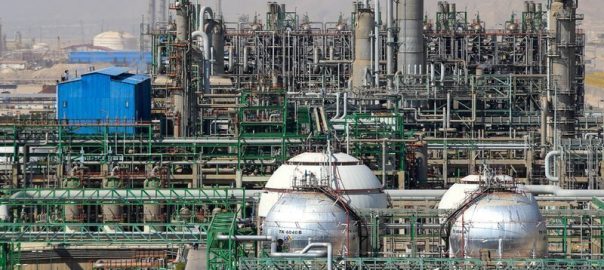
The value of Iran’s export of petrochemical products increased by 12.8 percent during the first five months of the current Iranian calendar year (March 20-August 21), as compared to the same period of time in the past year, the head of the Islamic Republic of Iran Customs Administration (IRICA) announced.

Mohammad Rezvanifar said that the country exported 24.5 million tons of petrochemicals worth $9.8 billion in the five-month period, indicating also 12.5 percent growth in terms of weight, year on year.

Head of Iran’s National Petrochemical Company (NPC) has said the country’s petrochemical output is estimated to reach 80 million tons in the current Iranian calendar year (ends in late March 2025).

Noting that one of the main objectives of the Oil Ministry in the current year has been the sustained supply of feed to petrochemical complexes, Morteza Shahmirzaei put the country’s petrochemical exports in the previous Iranian calendar year (ended on March 19) at 30 million tons.

Back in May, Ahmad Mahdavi Abhari, the director general of the Association of Petrochemical Industry Corporation (APIC), said Iran’s petrochemical output has increased by 15 million tons over the past two years.

Abhari put the country’s current petrochemical output at 82 million tons.

He said Iran’s petrochemical output stood at 67 million tons before late President Raisi took office in August 2021.

The official also noted that the Iranian petrochemical industry has created as many as 143,000 direct jobs in the mentioned period.

He put the current growth of Iran’s petrochemical industry at 40.6 percent up from 27.5 percent in the country’s third five-year development plan.

Earlier in April, Shahmirzaei said the company was planning to complete 13 new petrochemical projects by the end of the current Iranian calendar year to further increase the country’s petrochemical output.

“One of the strategies of the petrochemical industry in the year “production leap with people’s participation” is to put 12 new petrochemical projects into operation by the end of [the current Iranian calendar]1403 and use all available capacities,” the official said.

He stated that the completion of 12 petrochemical projects by the end of this year will have a significant impact on the growth of production and economic development of the country.

The NPC head had previously put the country’s petrochemical production capacity at over 92 million tons, and said: “Today we are almost self-sufficient in the main petrochemical sectors including products and equipment.”

Iran’s petrochemical industry accounts for 28 percent of the region’s petrochemical capacity and 2.7 percent of the world’s petrochemical capacity, he announced.

The petrochemical industry plays a crucial role in Iran’s non-oil economy, as petrochemical export is the second-largest source of revenue for the country after crude oil. Petrochemical exports already constitute nearly 33 percent of the country’s non-oil exports.

According to Shahmirzaei, the company plans to increase its annual petrochemical production capacity to 200 million tons over the next 10 years. /T.T/

GII 2024 places Tehran 38th among top 100 science and technology clusters

The Global Innovation Index (GII) has ranked Tehran as the world’s 38th-largest science and technology (S&T) cluster this year, down from 35th last year, according to a report released on Tuesday by the UN’s World Intellectual Property Organization (WIPO).

The Global Innovation Index ranks the world’s leading economies according to their innovation capabilities.

A common thread among top-performing nations is the presence of thriving science and technology (S&T) clusters. Since 2016, the GII has employed a bottom-up approach to identifying such clusters. This methodology disregards administrative or political borders and instead pinpoints those geographical areas with a high density of inventors and scientific authors.

The resulting clusters identified in this way often span several municipal districts, sub-federal states, and sometimes even two or more countries.

Two innovation metrics are used to compile the top 100 GII S&T clusters worldwide. The first metric focuses on the location of inventors listed in published patent applications under the WIPO Patent Cooperation Treat (PCT).

The second metric considers the authors listed on published scientific articles. S&T clusters – which can be entire regions or cities – serve as the backbone of a robust national innovation ecosystem.

Situated in areas such as San Francisco’s Silicon Valley, Cambridge, Munich, and Paris in Europe, or Bengaluru, Seoul, Shenzhen, and Tokyo in Asia, these S&T clusters are home to renowned universities, brilliant scientists, R&D-intensive companies, and prolific inventors.

It is the collaboration among these entities that results in groundbreaking scientific advancements and inventions that propel national, regional, and global innovation forward.

The GII recognizes the significance of these regional hubs and charts annually the world’s top 100 S&T clusters. These areas boast the highest density of inventors and scientific authors globally.

The GII 2024 also presents S&T clusters beyond the top 100 in order to shed light on other areas around the world with an appreciably high level of science and technology.

In addition, the GII 2024 takes a first step toward highlighting S&T clusters within Africa, a region whose output is typically not taken into account when clustering at the global level.

China, for the second consecutive year, leads with the most clusters (26) in the top 100. The United States follows closely behind with 20 clusters. Germany ranks third with eight clusters in the top 100, with Munich (22nd), Cologne (27th), and Stuttgart (29th) as its top three clusters.

India, with its top cluster of Bengaluru (56th) in southern India, and the Republic of Korea both have four clusters in the top 100. France, the United Kingdom (UK), Japan, and Canada each have three clusters in the top 100.

Paris (12th) leads France’s ranking, while London (21st) represents the United Kingdom’s top cluster. Canada’s top cluster is Toronto, Ontario (54th).

In addition to China, seven other middle-income economies have clusters among the top 100.

They are Brazil (1 cluster), with São Paulo, the sole top 100 S&T cluster within Latin America; Egypt (1), with Cairo, the sole top 100 S&T cluster within Africa; India (4), with Bengaluru, Delhi, Chennai and Mumbai; Islamic Republic of Iran (1), with Tehran; Malaysia (2), with Kuala Lumpur and its cross-border clusters shared with Singapore; Russian Federation (1), with Moscow; and Türkiye (2), with Istanbul and Ankara. /T.T/

Iran considers 34 mosques for potential UNESCO World Heritage label

Iran has taken a significant step towards the potential registration of its historical mosques as a collective property on the UNESCO World Heritage list.

So far, a primary selection of 34 mosques from 12 different provinces has been made to undergo extensive research and a field survey to prepare a comprehensive dossier for submission, ISNA reported on Saturday.

Abdolrasul Vatandoust, the project manager overseeing the UNESCO World Heritage nomination of “Iranian Mosques,” announced the commencement of this enormous project, describing it as one of the most important cultural heritage initiatives in Iran in the last 50 years.

Speaking to ISNA, Vatandoust, who has previously represented Iran in the successful registration of the “Hegmataneh” and “The Persian Caravanserai” sites, explained that preliminary studies for the dossier have begun. However, the more critical and time-consuming fieldwork is yet to commence, which will require significant funding and cooperation from provincial units and other relevant organizations.

He added that the selected structures represent the architectural evolution of mosque design in Iran, spanning from the early Islamic period to contemporary times.

Vatandoust noted that the current list of 34 mosques might change over the course of the next one to two years, with some mosques potentially being added or removed as the research progresses. “The key objective is to ensure that these mosques are thoroughly documented and studied in time for submission.”

Commissioned by the Ministry of Cultural Heritage, Tourism, and Handicraft, the project aims to complete the dossier by the end of this year, with the hope of submitting it to UNESCO in the following year. However, Vatandoust emphasized that the success of this timeline is heavily dependent on securing the necessary funds, particularly for tasks such as documentation, laser scanning, aerial photography, and field research.

Elsewhere in his remarks, the expert addressed whether mosques already on the World Heritage list, such as the Jameh Mosque of Isfahan, would be included in this new nomination. He confirmed that the “Iranian Mosques” dossier is envisioned as a chain of interconnected sites, and excluding any of these already registered mosques would compromise the integrity of the entire proposal.

“The dossier aims to showcase the architectural development of mosques in Iran from the Islamic era to the present day,” he underlined.

To date, Iran has successfully registered 28 properties on the UNESCO World Heritage list, with the most recent being Hegmataneh, added on August 6, 2024. It is anticipated that Iran will propose “Falak-ol-Aflak Castle and the Khorramabad Valley” for registration at the next UNESCO session, while several other dossiers, including those for “Iranian Mosques,” “Iranian Windcatchers,” “Iranian Houses,” and the “Cultural Landscape of Masuleh,” are currently in development.

Stunning domes and minarets, integral to the country’s mosques, can be seen in nearly every city and village. These architectural elements have become iconic, with some mosques recognized as timeless masterpieces of Islamic architecture.

Architecturally, Iranian mosques display a rich diversity influenced by regional variations in geometry, materials, and style. These mosques often feature complex structures adorned with colorful tiles and symbolic patterns, reflecting the unique architectural traditions of each area.

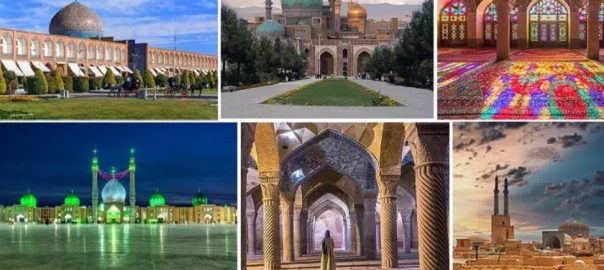
Among Iran’s most beautiful and must-visit mosques are the Nasir al-Mulk Mosque in Shiraz, the Sheikh Lotfollah Mosque in Isfahan, the Shah Cheragh Mosque in Shiraz, the Imam Mosque in Isfahan, the Jameh Mosque of Yazd, the Blue Mosque in Tabriz, the Goharshad Mosque in Mashhad, the Vakil Mosque in Shiraz, and the Agha Bozorg Mosque in Kashan.

A mosque, known locally as “masjed” or “masjid” (meaning “a place of prostration” to God), is a central place of worship in Islam. In Iran, mosque architecture is characterized by symmetry, intricate geometric designs, and vibrant colors. /T.T/

Iran’s national team shines at international AI Olympiad

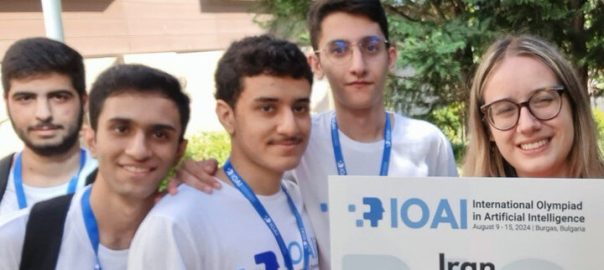
The Iranian national team achieved remarkable success at the inaugural International Olympiad in Artificial Intelligence, earning a bronze team medal and securing the 18th overall rank in Bulgaria.

The team, comprised of students Mohammad Sadra Kouhestani, Amir Hossein Zarei, Parsa Sadeghi, and Alireza Rahimi Yazdi, showcased their skills in a highly competitive environment.

In one of the three scientific challenges, the Iranian team delivered the best solution among 41 participating teams from 33 countries, demonstrating an accuracy that surpassed not only their competitors but also the solution provided by the problem’s designer, according to PressTV.

The first International Olympiad in Artificial Intelligence (IOAI 2024) took place from August 9 to August 15 in Burgas, Bulgaria, attracting around 40 teams from across the globe.

Gold medals were awarded to teams from Letovo, Poland, and Singapore in this edition. In the practical round, gold medals went to Poland, Bulgaria, Australia, and the United States.

This event aimed to highlight the significance of artificial intelligence education and competition at the high school level. /MNA/

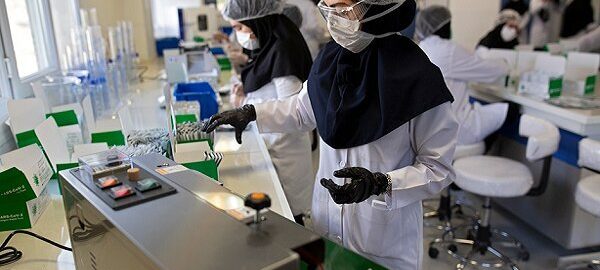
Iranian company exports 17,000 medical devices to 50 countries

An Iranian knowledge-based company has exported and installed over 17,000 advanced medical devices in 50 countries on five continents. The company specializes in the design and production of advanced medical equipment, including patient vital signs monitors, advanced ICU ventilators, electrocardiographs, AED defibrillators, and suction devices, IRNA reported on Monday.

These products are widely utilized in critical care units (CCU, ICU), emergency departments, and ambulances.

The CEO of the company said the organization has helped Iran gain self-sufficiency in the field of advanced medical equipment’s design and production.

As a result, Iran has transformed into an exporter of these sophisticated products to Europe, Asia, Africa, and South America, Reza Yaghoubzadeh added./IRNA/

Iranian researchers work on producing kits for Dengue fever

An Iranian knowledge-based company has worked on producing a kit for detecting dengue fever and monkeypox. According to a report by the Iranian Vice Presidency for Science and Technology and Knowledge-Based Economy, the knowledge-based firm “Zhiwan Zist” started its activity in 2012 with the focus on producing a broad range of molecular biology kits. It has supplied its products, which include various high-quality detection kits, enzymes, buffers and molecular solutions to laboratories, clinics, hospitals and research centers across the world.

Amir Ali Karimi, the CEO of Zhiwan biotechnology company, stated that their knowledge-based company, relying on locally-developed knowledge and advanced research and development, has so far made more than 80 kits in different fields of laboratory and research extraction and detection.

“Also, the research and development department of the company is currently working on detection kits for dengue fever and monkeypox to meet the country’s needs in those fields,” the CEO said.

Karimi described DNA extraction kits from amniotic fluid and fetal DNA extraction from mother’s blood by using the column method as the other kits produced in their company, adding that, “These kits, which were produced for the first time in Iran and are easily available, are used to check the health status of the embryo.” /MNA/

Iranian handicrafts make their mark on intl. markets

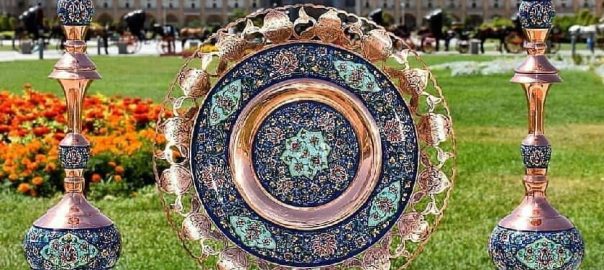
Iranian handicrafts continue to gain recognition in global markets, with exports to countries around the world, according to the Ministry of Cultural Heritage, Tourism, and Handicrafts.

In a statement reported by Mehr News Agency, the ministry highlighted the steady demand for Iranian handicrafts in international markets. “Ukraine, Thailand, Kenya, Syria, and Yemen were the leading importers of Iranian handicrafts in terms of weight during the first three months of the [current Persian] year (started on March 20).”

Ukraine topped the list, importing Iranian handicrafts worth approximately $42,000, followed by Thailand with $36,500, Kenya with $27,000, Syria with $19,500, and Yemen with around $14,000.

However, when considering the total value of exports, other countries showed even greater financial engagement. Russia, South Africa, the United Arab Emirates, Germany, Afghanistan, Iraq, Pakistan, Japan, Turkmenistan, and Turkey recorded the highest financial transactions related to Iranian handicrafts during the period.

According to Farzad Ojani, an official with the ministry, Iran’s handicraft industry has experienced a remarkable 53% increase in exports during the first quarter of the current Iranian year. The official highlighted that approximately 26 tons of handicrafts, valued at $74.5 million, were exported in the first three months of this year, compared to about 16 tons worth $48.6 million in the same period last year.

“The top provinces in terms of export value were Tehran, Khorasan Razavi, West Azarbaijan, Kermanshah, and Ilam,” the official mentioned, adding that Tehran led with nearly $30 million, followed by Khorasan Razavi with $7.3 million, West Azarbaijan with $7.2 million, Kermanshah with $6.5 million, and Ilam with $5.8 million.

Detailing the types of handicrafts exported, Ojani noted the significant contributions from metal crafts, wooden crafts, textiles, traditional embroideries, precious metals, ceramics, traditional glassware, and leather products.

He further elaborated on the performance of various handicraft sectors, mentioning a 79% increase in export value and an 86% increase in the weight of metal crafts. Wooden crafts saw a 74% rise in export volume and a 75% rise in value, the official continued.

“Textiles and traditional embroideries witnessed a 61% increase in weight and a 69% rise in value,” Ojani stated. “Moreover, the export of traditional embroideries and textiles grew by 49% in volume and 58%.”

He also noted a 31% increase in the export value of precious metals, with figures rising from approximately $13 million in the first quarter of last year to about $18 million this year.

In the ceramics sector, there was an 8% growth in volume and a 12% increase in export value, according to the official. Traditional glassware exports saw a significant 230% increase in weight, though with only a 4% rise in value, he added.

However, the leather goods sector faced challenges, experiencing a 45% decline in export volume and a 61% decrease in value, Ojani brought to light.

The official concluded by highlighting that other handicraft products saw a 168% increase in export volume and a 69% rise in value. /T.T/

Iran is a popular destination for international tourists

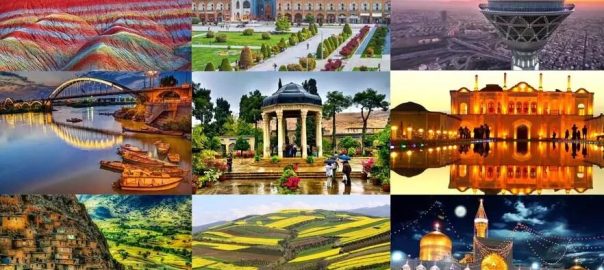
Iran has always been a popular destination for international tourists with its thousands of years of history, rich and diverse culture, unique historical monuments and stunning natural scenery. In recent years, the government of the Islamic Republic of Iran has made extensive efforts to improve tourism infrastructure and ensure the safety and well-being of tourists by implementing effective policies and measures. Considering the lowest crime rates in the region, public safety is very high in the country.

Several investments have been made in the development of tourism infrastructure, including hotels, residences, transportation and welfare facilities, which have significantly improved the quality of services provided to tourists. Iranian hospitality is one of our main value.

The inbound tourists’ number also magnifies show the growth. For example, last year, Iran received 6.4 million international shows a growth of 51%, and in the first four months of this year, more than 2.5 million tourists from different countries visit Iran, which signifies the world’s trust and interest in visiting our country.”