All posts by islam

Iranian researchers work on producing kits for Dengue fever

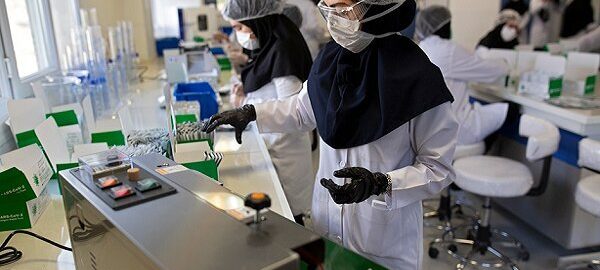
An Iranian knowledge-based company has worked on producing a kit for detecting dengue fever and monkeypox. According to a report by the Iranian Vice Presidency for Science and Technology and Knowledge-Based Economy, the knowledge-based firm “Zhiwan Zist” started its activity in 2012 with the focus on producing a broad range of molecular biology kits. It has supplied its products, which include various high-quality detection kits, enzymes, buffers and molecular solutions to laboratories, clinics, hospitals and research centers across the world.

Amir Ali Karimi, the CEO of Zhiwan biotechnology company, stated that their knowledge-based company, relying on locally-developed knowledge and advanced research and development, has so far made more than 80 kits in different fields of laboratory and research extraction and detection.

“Also, the research and development department of the company is currently working on detection kits for dengue fever and monkeypox to meet the country’s needs in those fields,” the CEO said.

Karimi described DNA extraction kits from amniotic fluid and fetal DNA extraction from mother’s blood by using the column method as the other kits produced in their company, adding that, “These kits, which were produced for the first time in Iran and are easily available, are used to check the health status of the embryo.” /MNA/

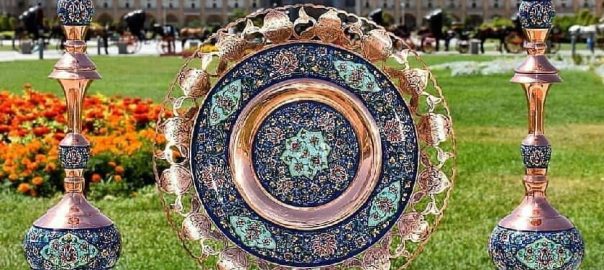
Iranian handicrafts make their mark on intl. markets

Iranian handicrafts continue to gain recognition in global markets, with exports to countries around the world, according to the Ministry of Cultural Heritage, Tourism, and Handicrafts.

In a statement reported by Mehr News Agency, the ministry highlighted the steady demand for Iranian handicrafts in international markets. “Ukraine, Thailand, Kenya, Syria, and Yemen were the leading importers of Iranian handicrafts in terms of weight during the first three months of the [current Persian] year (started on March 20).”

Ukraine topped the list, importing Iranian handicrafts worth approximately $42,000, followed by Thailand with $36,500, Kenya with $27,000, Syria with $19,500, and Yemen with around $14,000.

However, when considering the total value of exports, other countries showed even greater financial engagement. Russia, South Africa, the United Arab Emirates, Germany, Afghanistan, Iraq, Pakistan, Japan, Turkmenistan, and Turkey recorded the highest financial transactions related to Iranian handicrafts during the period.

According to Farzad Ojani, an official with the ministry, Iran’s handicraft industry has experienced a remarkable 53% increase in exports during the first quarter of the current Iranian year. The official highlighted that approximately 26 tons of handicrafts, valued at $74.5 million, were exported in the first three months of this year, compared to about 16 tons worth $48.6 million in the same period last year.

“The top provinces in terms of export value were Tehran, Khorasan Razavi, West Azarbaijan, Kermanshah, and Ilam,” the official mentioned, adding that Tehran led with nearly $30 million, followed by Khorasan Razavi with $7.3 million, West Azarbaijan with $7.2 million, Kermanshah with $6.5 million, and Ilam with $5.8 million.

Detailing the types of handicrafts exported, Ojani noted the significant contributions from metal crafts, wooden crafts, textiles, traditional embroideries, precious metals, ceramics, traditional glassware, and leather products.

He further elaborated on the performance of various handicraft sectors, mentioning a 79% increase in export value and an 86% increase in the weight of metal crafts. Wooden crafts saw a 74% rise in export volume and a 75% rise in value, the official continued.

“Textiles and traditional embroideries witnessed a 61% increase in weight and a 69% rise in value,” Ojani stated. “Moreover, the export of traditional embroideries and textiles grew by 49% in volume and 58%.”

He also noted a 31% increase in the export value of precious metals, with figures rising from approximately $13 million in the first quarter of last year to about $18 million this year.

In the ceramics sector, there was an 8% growth in volume and a 12% increase in export value, according to the official. Traditional glassware exports saw a significant 230% increase in weight, though with only a 4% rise in value, he added.

However, the leather goods sector faced challenges, experiencing a 45% decline in export volume and a 61% decrease in value, Ojani brought to light.

The official concluded by highlighting that other handicraft products saw a 168% increase in export volume and a 69% rise in value. /T.T/

Iran is a popular destination for international tourists

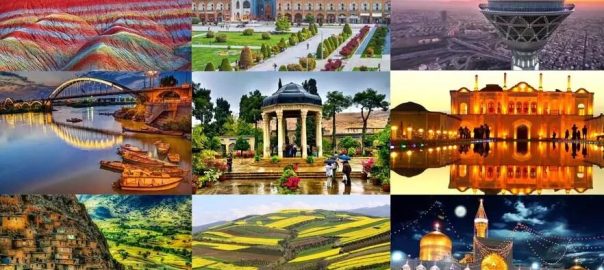
Iran has always been a popular destination for international tourists with its thousands of years of history, rich and diverse culture, unique historical monuments and stunning natural scenery. In recent years, the government of the Islamic Republic of Iran has made extensive efforts to improve tourism infrastructure and ensure the safety and well-being of tourists by implementing effective policies and measures. Considering the lowest crime rates in the region, public safety is very high in the country.

Several investments have been made in the development of tourism infrastructure, including hotels, residences, transportation and welfare facilities, which have significantly improved the quality of services provided to tourists. Iranian hospitality is one of our main value.

The inbound tourists’ number also magnifies show the growth. For example, last year, Iran received 6.4 million international shows a growth of 51%, and in the first four months of this year, more than 2.5 million tourists from different countries visit Iran, which signifies the world’s trust and interest in visiting our country.”

Call for Works for ‘Imam Khomeini (RA) World Award’

The Imam Khomeini (RA) World Award is the highest Badge of Honor of the Islamic Republic of Iran, which is granted to the most effective real and legal entities active
in the field of promoting Imam Khomeini’s (RA) School of Thought. This award is granted in two theoretical and practical sections to outstanding and exceptional scientific works as well as effective and extensive sociopolitical activities at national and international levels.

The Deadline for Introducing the Centers and Personalities and Sending Works on 21 September 2024.

For more details Please click bellow

Imam khomeini world Award

Iran’s power generation up 13.5% during president Raisi’s administration

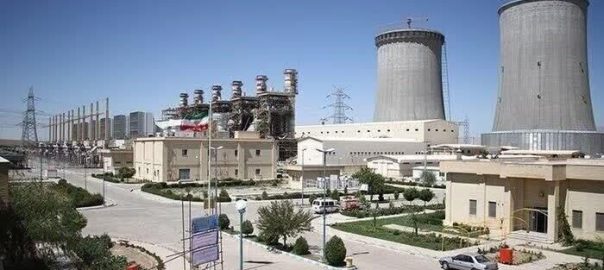
Statistics indicate that Iran’s generation of electricity during the administration of the late President Ebrahim Raisi registered a 13.5 percent growth, with Iran generating more electricity than industrialized countries like the UK and Italy.

The latest statistics released in a report on “Statistical Review of the Global Energy” show that Iran generated 382.9 terawatts/hour of electricity in 2023, registering a 4.3 percent hike compared to a year earlier.

Iran had generated more than 367.1 terawatts/hour of electricity in 2022.

The growth of Iran’s generation of electricity in 2023 was nearly twice that of the average growth of the generation of electricity in the world.

The report put the total generation of electricity worldwide in 2023 at more than 29,924 terawatts/hours, which was 2.5 percent higher than a year earlier.

Iran’s generation of electricity in 2023 exceeded that of industrialized countries like the UK, Italy, and Spain as well as Turkey, Algeria, Egypt, Indonesia, Pakistan and Thailand, the report added. /T.T/

“The Wasteman” wins award at 26th Shanghai International Film Festival

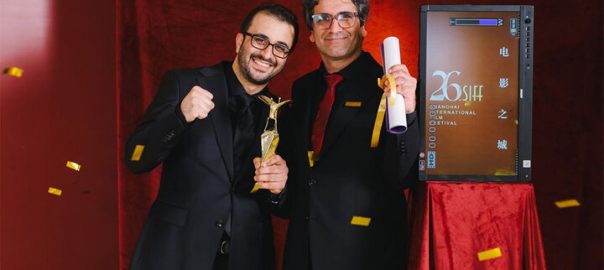
The Iranian feature film “The Wasteman” directed by Ahmad Bahrami and produced by Mohammad Hosseinkhani won an award at the 26th Shanghai International Film Festival (SIFF) in China.

Competing with 13 other films from Spain, Argentina, Germany, France, Japan, Bangladesh, Italy, Georgia, Russia, Kazakhstan, and China in the main competition section of the event, “The Wasteman” won the Outstanding Artistic Achievement award on the closing ceremony of the festival on June 22, Mehr reported.

A 2024 production, “The Wasteman” is about a middle-aged wagon driver, of a determined demeanor, who trundles a corpse toward the cemetery of a strange, silent village bereft of all apparent life.

Ali Bagheri is the sole actor in the 80-minute drama that had its world premiere at this year’s SIFF. With no dialogue, Bagheri focuses intensely on facial expressions, body language, and interaction with the environment during the film.

The movie serves as the final chapter of Bahrami’s “Waste Trilogy”. It continues the previous films’ use of long takes, black-and-white cinematography, and themes of struggle. In “The Wasteland,” a man facing imminent unemployment fights for his rights, while in “The Wastetown,” a woman imprisoned for killing her husband fights for custody rights.

China’s longest-running and most internationally respected major cinema event, the Shanghai festival hosted an estimated 1,600 screenings of 461 films across its 10-day duration this year.

This year’s festival was held from June 14 to 23 and hosted masterclasses, debates on women’s position in the film industry, forums on story-telling and the development of the Chinese film industry, and numerous company presentations.

Founded in 1993, the Shanghai International Film Festival is the only competitive film festival in China approved by FIAPF.

SIFF focuses on awards, markets, forums, and film exhibitions to build an international platform and promote the development of the Chinese film industry.

In recent years, with the increasing growth of China’s economic strength and the rise of its international status, Chinese films have attracted more and more attention from people worldwide. SIFF, held in June annually, has become a great event for filmmakers worldwide, whose universal industry appeal, international influence, and effect on the world’s multicultural film culture and development of the film industry have also been praised by people inside and outside the industry. /T.T/

Iran to conduct two major satellite launches in coming weeks

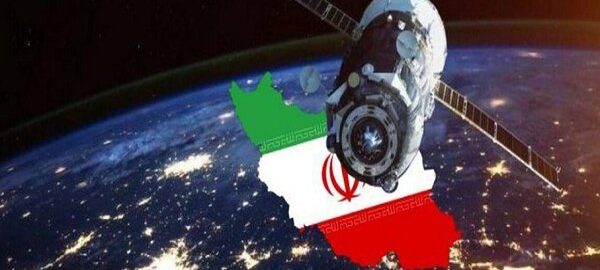
Iran is set to conduct two significant satellite launches in the coming weeks, according to Hassan Salariyeh, the head of the Iranian Space Agency (ISA).

Salariyeh announced on Saturday that the launches are scheduled to occur before July 21.

Salariyeh noted that the ISA is currently performing compatibility tests between the satellites and the launch rockets.

“The compatibility and joint tests between launches and carrying rockets are among important and sensitive issues which sometimes can face delays because of certain technical problems,” he stated.

He assured, however, that the satellite launches would proceed only after ensuring a 100% success rate in the compatibility tests.

On Tuesday, Iran’s Minister of Communications Issa Zarepour highlighted the significant advancements in the nation’s space and communication sectors in recent years.

“In less than two and a half years, 12 satellites have been successfully launched into space, and two more launches are planned by the end of the current administration to set a new record in Iran’s space history,” Zarepour noted.

He also mentioned efforts to stabilize the technology for injecting satellites into Low Earth Orbit (LEO).

“After a decade-long hiatus, the space life program has been revived, and two new biological capsules are under construction to take an important step towards sending humans into space,” Zarepour added.

Despite Western pressure and sanctions on its space sector, Iran has successfully conducted satellite launches in recent years.

Iran maintains that peaceful technological advancement in the aerospace field is the country’s legitimate right with authorities stating that the satellites are used for various scientific and development purposes in the country.

In January, Iran launched three satellites simultaneously for the first time using a modern satellite carrier developed by the Iranian Defense Ministry.

The ISA-built Mahda satellite was unveiled during these launches.

This event followed the launch of the Sorayya satellite into orbit with a rocket designed by Iran’s elite military force, the IRGC.

Additionally, in late February, an Iranian satellite was placed into a 500-kilometer orbit for the first time.

The Pars 1 research-sensing satellite was launched from Russia’s Vostochny spaceport using the Soyuz rocket.

MNA/

Leader’s Letter to American University Students

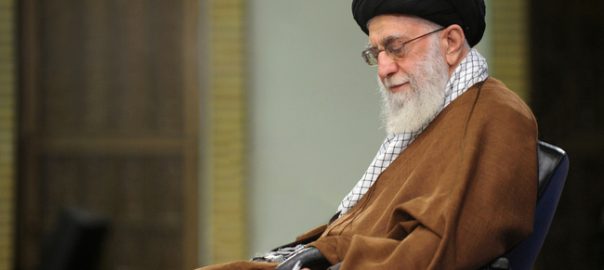
In a letter to American students supporting the Palestinian people, Ayatollah Imam Khamenei, the Leader of the Islamic Revolution, said, “You are now standing on the right side of history.”

The beginning of this letter of support says, “You are now part of the Resistance Front, and you have begun a dignified struggle under the ruthless police pressure of your government that evidently defends the oppressive and brutal Zionist regime.”

Referring to the reasons and factors behind the formation of the great Resistance Front and its struggle against the occupying Zionist regime, the Leader of the Islamic Revolution said in the letter, “From the very beginning, the Zionist regime carried out an iron fist policy against the defenceless people of Palestine. They disregard all moral, human, and religious values and, day by day, escalate their ruthlessness, terrorism, and oppression. The US government and its accomplices did not even lift a finger against this state terrorism and ongoing injustice.”

Ayatollah Khamenei said that the Resistance Front emerged from this dark and despondent atmosphere, and the establishment of the Islamic Republic in Iran expanded and empowered them. He asked, “Can a nation defending itself against the crimes of Zionist occupiers in its own land be considered terrorist? And should giving humanitarian aid to this nation and strengthening its arms be considered as support for terrorism?”

Addressing the young Americans supporting Palestine, the Leader of the Islamic Revolution told them, “I want to assure you that today, the situation is changing. Another fate awaits the sensitive region of West Asia. Many consciences have awakened on a global scale, and the truth is becoming clear. The Resistance Front has also grown stronger and will continue to strengthen while history is also turning a new page.”

Ayatollah Khamenei spoke about protests in support of the Palestinian people in other countries, as well as the support and solidarity of university professors with their students and mentioned the police crackdown, saying, “I empathise with you, young people, and I respect your steadfastness.”

The Leader of the Islamic Revolution concluded his letter by recommending that Muslims become familiar with the Quran, saying, “For us Muslims and for all people of the world, the lesson of the Quran is perseverance in the path of truth. Regarding human relations, the lesson of the Quran is that we should neither commit nor submit to oppression. By comprehensively adhering to and acting upon these commandments and hundreds of similar cases, the Resistance Front will advance and will achieve victory, God willing.”

The text of the letter from Ayatollah Khamenei is as follows:

In the name of Allah, the Most Gracious, the Most Merciful.

I am writing this letter to the youth whose awakened consciences have moved them to defend the oppressed children and women of Gaza.

Dear young students in the United States of America, this is our message of empathy and solidarity with you. You are now on the right side of history, turning a new page.

You have now become part of the Resistance Front and have begun a dignified struggle under the ruthless pressure of your government, which clearly defends the oppressive and merciless Zionist regime. You have begun a dignified struggle.

For years, the great Resistance Front has been fighting afar with the same consciousness and sentiments that you possess today.

The aim of this struggle is to halt the barefaced oppression perpetrated by a ruthless terrorist network known as the Zionists. They have, for years, inflicted the harshest pressures and tortures upon the Palestinian people after seizing their country. The genocide perpetrated by the Zionist apartheid regime today is a continuation of decades of the most heinous oppressive behaviour.

Palestine is an independent country with a diverse population of Muslims, Christians, and Jews, and it has a very long history. After World War II, Zionist capitalists, with the support of the British government, gradually brought thousands of terrorists into the country; they invaded its cities and villages, killed or expelled tens of thousands of people to neighbouring countries, seized their homes, markets, and farms, and established a state called Israel on the occupied land of Palestine.

After this initial British assistance, the United States government has been the greatest supporter of this usurping regime. The United States has continuously provided political, economic, and military support to this regime to the extent that, with unforgivable recklessness, it has paved and aided the path for Israel to produce nuclear weapons.

From the very beginning, disregarding all moral, human, and religious values, the Zionist regime has adopted an iron fist policy against the defenceless people of Palestine. Since then, day by day, it has been escalating its brutality, terrorism, and oppression.

The US government and its accomplices have not even lifted a finger against this state-terrorism and ongoing oppression. Today, some of the statements made by the United States government regarding the horrific crimes in Gaza are just disingenuity.

The “resistance front” emerged from this dark and despairing atmosphere, and the formation of the Islamic Republic in Iran expanded and empowered it.

The leaders of international Zionism, who own the majority of media outlets in the US and Europe and those who are under their financial influence and bribery, have labelled this human and courageous resistance as terrorism! Can a nation defending itself against the crimes of Zionist occupiers in its own land be considered terrorist? And can giving humanitarian aid to this nation and strengthening its arms be considered as support for terrorism?

These ruthless global hegemonic leaders do not even show mercy towards human values. They pretend that the terrorist and merciless Israeli regime is defending itself, and they label the Palestinian resistance, which defends its freedom, security, and right to self-determination, as “terrorism”!

I want to assure you that today, the situation is changing. Another destiny awaits the sensitive West Asia region. Many consciences have awakened on a global scale, and the truth is becoming more apparent. The resistance front has also become stronger and will continue to grow stronger. History is also turning a new page.

Along with you, students from dozens of universities in the United States, other universities, and people from other countries have also taken a stand. The support and solidarity of university professors standing with their students is very significant and carries much weight; it can be reassuring when facing the severity of government-directed police attacks. I also empathise with you, young people and highly respect your steadfastness.

The Quran’s lesson for Muslims and all people of the world is to stand firm in the path of truth: فَاستَقِم کَما اُمِرت؛(1) “So remain steadfast as you have been commanded.” The Quran’s lesson regarding human relations is: لا تَظلِمونَ وَ لا تُظلَمون (2) “Do not oppress others, nor be oppressed.”

By comprehensively adhering to and acting upon these commandments and hundreds of similar cases, the Resistance Front will advance and will achieve victory. God willing.


Sayyid Ali Khamenei

May 25, 2024

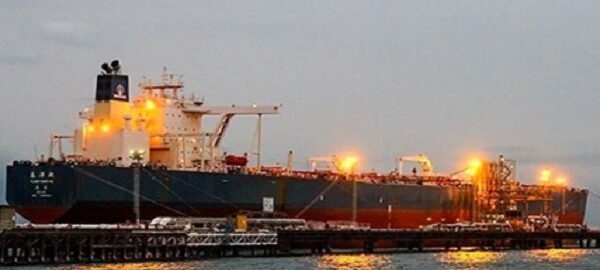
Iran oil exports hit six-year high: report

Iran is exporting more oil than at any time for the past six years, giving its economy a $35bn-a-year boost, a report by the Western media has said.

Tehran sold an average of 1.56mn barrels a day during the first three months of the year, almost all of it to China and its highest level since the third quarter of 2018, according to data company Vortexa.

Iran’s success in exporting its crude underscores the difficulties facing the US and the EU as they seek to build up pressure on Tehran, the Financial Times reported as cited by the news service of Iranian oil ministry-SHANA.

“The Iranians have mastered the art of sanctions circumvention,” said Fernando Ferreira, head of geopolitical risk service at the Rapidan Energy Group in the US.

The Iranian oil industry had found ways to get around sanctions.

Iran’s Oil Minister Javad Owji said last month that oil exports had “generated more than $35bn” in the preceding year. On another occasion, he said that while Iran’s enemies wanted to stop its exports, “today, we can export oil anywhere we want, and with minimal discounts”.

Iranian Oil Minister Javad Owji said Wednesday that Iran recorded a 20% increase in oil and gas production last year of 1402 (March 21, 2023-2024) in the Iranian calendar, predicting a higher production this year. /MNA/

Over 300 drugs being produced from medicinal plants

More than 300 medicines are made out of 1,200 medicinal plants in the country.The production of medicines from plants in the country dates back to 1980.

About 4,400 natural products and over 2,000 traditional products are being supplied by domestic companies to the market.

So far, about 30,000 plant species have been identified in the world, with Iran’s share of about 8,000 species which is more than the whole of species found in Europe.

The per capita consumption of medicinal plants in Iran is about one kilogram of dried plants, in other words, 83,000 tons of medicinal plants worth 1.2 trillion rials (around $4 million) are consumed in the country, while in Europe this amount is 900 grams and in the United States is 2.5 kilogram.

Iran holds some 40% share of market In October 2023, an official with the Ministry of Health said that Iran holds some 40 percent share of the market for medicinal plants in the neighboring countries.

“A large volume of pharmaceuticals, supplements, food products, and beverages are exported to Iraq, Turkey, Georgia, Armenia, and Afghanistan,” IRNA quoted Hamidreza Banafsheh as saying.

Iran is among the leading countries in the field of medicine and health technology, supplying 98 percent of pharmaceutical items to the domestic market, the official noted.

“Nearly 450 out of 1,400 knowledge-based companies are active in the field of herbal medicines, biotechnology, and food industries.”

He went on to say that the National Institute for Medical Research Development aims at expanding exports of medicinal products.

Since most of the raw materials for the production of herbal medicines are native to the country, these products can internationally compete with those of the other countries, he added.

Besides, some 15 to 20 percent of Iran’s herbal medicines are unique in the world. Iran has the capacity to introduce new herbal medicines to the world, he highlighted.

Producing and commercializing pharmaceutical plants are the best ways to introduce the rich resources of herbal medicines which, in addition to making foreign currency revenues for the country, will lead to the scientific authority of Iran in this field, he concluded.

Medicinal plant exports can be increased

According to the chairman of the Union of Medicinal Plants Exporters of Iran, the country’s export of medicinal plants can be increased through compliance with world standards.

Mohammad-Ali Rezaei Kamal-Abad stated that world standards are increasing due to the health-oriented consumption of herbal products, and failure to comply with these standards will lead to the return or destruction of these products.

“In the past years, poisons have entered the country, which is not only not used in other countries, but has also caused water and soil pollution in our country”, he lamented.

Referring to the importance of agricultural product export standardization, he added: “Standardization is done in our country, but this standardization is not up-to-date. With the coordination of ministries, expenditure and updating of information can help to standardize agricultural products and develop the export of these products”, he commented.

He said that having more than 11 climates out of 13 climates, Iran has 8,000 varieties of medicinal plants, which is at least twice as much as Europe.

People highly welcome traditional medicine

On January 7, Nafiseh Hosseini-Yekta, the director of the health ministry’s Persian medicine office, said surveys show that more than 80 percent of people in the country intend to benefit from Iranian traditional medicine, ILNA reported.

Their interest in traditional medicine has never faded, she said, adding that traditional medicine is being taught in universities.

Traditional medicine has its roots in the culture, customs, and traditions of Iranians and has always been of interest to them, the official highlighted. /T.T/