All posts by islam

Non-oil exports to Russia rise 12% in 6 months on year

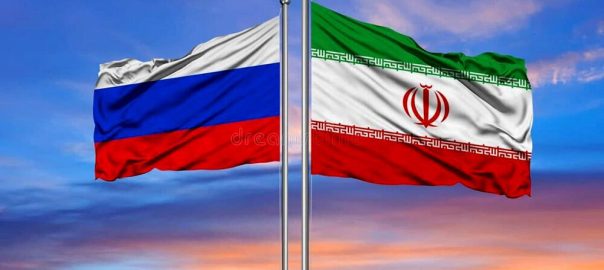
The value of Iran’s non-oil exports to Russia rose 12 percent in the first six months of the current Iranian calendar year (March 20-September 21) compared to last year’s first half, the Islamic Republic of Iran Customs Administration (IRICA) data showed.

According to the mentioned data, Iran exported 1.3 million tons of commodities worth over $494 million to Russia in the first half of the current Iranian year, IRIB reported.

Non-oil exports to the Russian Federation also increased by 20 percent in terms of weight.

The main exported goods to Russia in the first half of this year include bell pepper, polystyrene and shelled pistachios, which accounted for 5.9 percent, 5.8 percent and 4.9 percent of the country’s total export value, respectively.

In the first half of the current Iranian year, foreign transit through Iran from Russia reached 526,000 tons with a growth of 17 percent, and foreign transit to Russia was 56,000 tons, which decreased by 18 percent.

The Islamic Republic had exported 2.2 million tons of commodities worth $965 million to Russia in the previous Iranian calendar year (ended on March 20), which also registered a 54-percent increase in weight and a 28-percent rise in value.

The main Iranian products exported to Russia in the previous year were fresh or dried pistachios, ordinary non-expandable polystyrene, fresh kiwi and synthetic fibers, and other types of polyester.

Iran and Russia have been taking serious steps to boost their mutual trade over the past few years.

In late January, Iran’s late President Ebrahim Raisi said that the Islamic Republic and Russia have reached an agreement to boost the trade between the two countries up to $10 billion.

“We agreed to remove trade barriers and boost the economic exchanges between the two countries. Currently, the level of mutual trade is not acceptable, so the two countries agreed to increase trade to $10 billion a year,” Raisi said on January 21, upon arrival to Tehran after a two-day visit to Moscow.

He also noted that the two sides also discussed monetary and banking issues during his talks with Russian officials.

The two countries also agreed to identify mutual agricultural capacities as well as suitable areas for the exchange of agricultural products in order to increase the level of trade in the agricultural sector, according to the official.

He went on to say that the Islamic Republic of Iran has very good capacities in the field of transit and transportation, saying: “During this visit, it was agreed to activate the north-south corridor. This transit route will make the time and distance of transiting goods from Russia and different northern countries to the southern regions much shorter.” / T.T/

Iran’s Norouzi claims gold in 2024 Asian Rowing C’ship

Iranian female rower Zeinab Norouzi has won a gold medal in the 2024 Asian Rowing Championships underway in Samarkand, Uzbekistan. Norouzi crossed the finish line first with a time of 8:02.721 in the lightweight women’s single-scull rowing event.

Her rivals from Uzbekistan and Hong Kong were awarded the silver and bronze medals, respectively.

The 2024 Asian Rowing Championships are taking place in Samarkand, Uzbekistan, from October 10th to 14th.   /MNA/

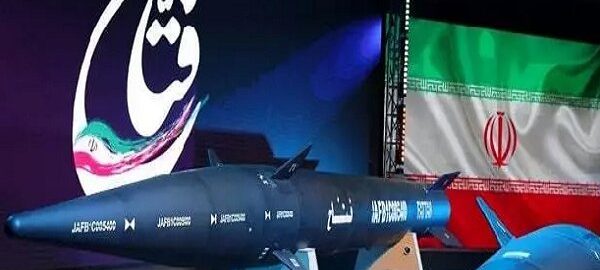
Iran’s hypersonic missile can reach Israel within 4 minutes

Iran’s hypersonic missiles can reach Israel within 4 minutes. The Israeli regime’s Iron Dome, which proved to be incapable of intercepting the cruise missiles Iran used in Operation True Promise I, once again showed its ineffectiveness when it tried to counter Iranian-made Qadr and Emad ballistic missiles.

Although the Israeli regime allies’ fighters were able to support the Zionists by firing interceptor missiles toward hundreds of cruise missiles and drones launched by Iran, in Operation True Promise II, the ballistic missiles, as well as hypersonic missiles with a speed of Mach 14, made defense attempts of the Zionists and their supporters very ineffective, Iran newspaper wrote.

Iran launched a retaliatory attack on occupied Palestine with a barrage of its homegrown missiles on Tuesday night, with the Islamic Revolutionary Guard Corps (IRGC) saying that 90% of them hit the targets.

The operation came in response to the regime’s assassinations of Hamas’ chief Ismail Haniyeh, Hezbollah’s leader Sayyed Hassan Nasrallah, and IRGC commander Abbas Nilforooshan.

Iranian Defense Minister says that the target of Iran’s retaliatory attack on Israel was an intelligence headquarters and 3 of the Tel Aviv regime’s military bases.

“Operation True Promise II was carried out with more than 90% success and was fully in line with international law,” he said.

No civilian sites were among Iran’s targets, he stressed.

MNA/

Iranian video art “Sculpture” wins two awards at Chicago festival

The Iranian video art “Sculpture” received two awards at the September edition of the Crown Point International Film Festival in Chicago, the U.S.

Written, directed, and composed by Ramin Hosseinpour, the work won the best short film director for Hosseinpour and the best short film editing for Ehsan Vaseghi at the latest edition of the festival.

The video art is about the life story of Persian poet and mystic Molana Jalal ad-Din Rumi and Shams Tabrizi. During one of his journeys to Konya in 1244, he met the dervish Shams and was deeply influenced by him.

For months, the two men constantly interacted, and as a result, Rumi neglected his disciples and family, who could not tolerate the close relationship.

One night in 1247, Shams disappeared forever. This experience turned Rumi into a poet. The Divan of Shams (The Collected Poetry of Shams) is a true translation of his experiences into poetry.

Hosseinpour’s video art has won several awards at various international festivals so far. It recently won the awards for the best rock music video and best VFX: music video at the summer edition of Los Angeles Movie and Music Video Awards in the U.S.

Its previous achievements include the Best Composer Award at the 26th LA Sun Film Fest in Los Angeles, the award for Best Animated Music Video in the HALO International Film Festival in Saint-Petersburg, and the award for the best documentary script from the King Film Awards 2023 in London among many others.

Hosseinpour, 37, is a multi-talented international artist, professionally working in the international media. He is an architect, conceptual artist, writer, director, producer, and composer.

He has won awards in more than 55 international festivals in Munich, Vancouver, Paris, Moscow, New York, Boden, Las Vegas, Rome, etc.

Crown Point International Film Festival (CPIFF) is a monthly and annual IMDb qualifying competition for filmmakers all over the world. All categories are awarded monthly except Best of Fest awards (best of the year).

The festival seeks to promote and celebrate films and filmmakers from all around the world and be another step forward to the filmmakers’ careers. It is all about encouraging filmmakers to cultivate creativity. /T.T/

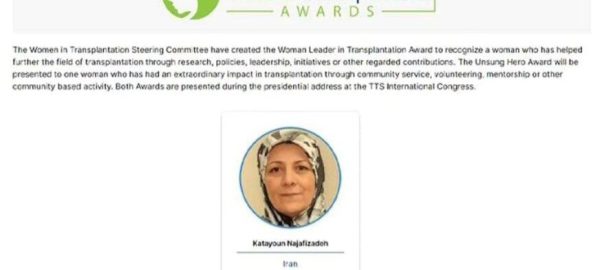
Iran’s Najafizadeh grabs Women in Transplantation Award

Katayoun Najafizadeh, the director of the Iranian Organ Donation Association, has received the Unsung Hero Award of Women in Transplantation Awards at the 30th International Congress of The Transplantation Society (TTS 2024) which took place in Istanbul from September 22 to 25.

The award is presented to a woman who has had an extraordinary impact on Transplantation through community services volunteering, mentorship, or other community based activities.

The International society for Organ Donation and Procurement (ISODP) is responsible for developing clinical guidelines and practices, promoting educational programs, and ethical standards for clinical care and scientific research, IRNA reported.

Each year, a different country will host the congress to share latest achievements and expertise in donation and transplantation.

In Iran, some 25,000 people are on transplant waiting list and each ten minute a new person is added to the list.

Rise in organ donation

The number of organ donors in Iran increased from 7.8 per million population (PMP) in the year 1399 (March 2020-March 2021) to 12.2 in the year 1401 (March 2022-March 2023).

“In 1399, the number of organ donations in the country was 645, which reached 928 in 1400 and increased to 1,016 in 1401,” Amir-Hesam Alirezaei, the head of the Health Ministry’s Center for Transplantation and Disease Management, said.

“Currently, 30 kidney transplant centers, 11 liver transplant centers, 3 lung transplant centers, 4 pancreas transplant centers, 18 bone marrow transplant centers, 22 procurement centers, and 35 transplant identification centers are active in the country,” he explained.

With 40,095 cases, kidney transplant has had the highest number of transplants in the country, he noted.

Between 5,000 and 8,000 brain deaths occur annually in the country, he said, adding that 2,500 to 4,000 cases of brain deaths are eligible for organ transplantation, and there are 18,000 patients in need of receiving organs in the country, and more than 1,410 cases of organ donation were done last year, he concluded.

According to the Iranian Society of Organ Donation, there are two types of death in the medical world; Heart death (common death), which accounts for 99 percent of deaths worldwide, and brain death, which accounts for one percent of deaths.

There are over 25,000 patients in need of transplants on the waiting lists for various organs, but unfortunately, 7 to 10 of them die every day due to the lack of a transplanted organ, accounting for over 3,000 a year.

Organ donation is an altruistic decision that can be made by family members after brain death. Although many organizations and medical centers have implemented various interventions and training courses to increase satisfaction with organ donation, a lack of organs for donation is still a serious problem in the world.

Iran tops Asian countries in organ donation

Mehdi Shadnoush, former head of the Health Ministry’s Center for Transplantation and Disease Management, announced in June 2020 that Iran is ranked first for organ donation among Asian countries.

“The country’s organ donation rate is 14.34 per one million people,” he noted.

In February 2019, Shadnoush said that the organ donation rate has increased by 60 times over the past 18 years, while Iran ranked 26 in organ donation in the world. /T.T/

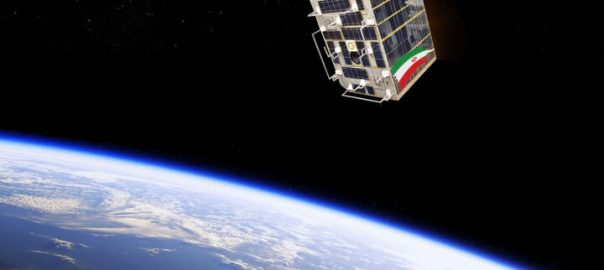
Iran to launch “Kowsar” remote-sensing satellite soon

The head of the Iranian Space Agency (ISA) said that remote-sensing “Kowsar” satellite will be launched into space in the very near future.

The launch of Saman-2 orbital transfer block, launch of Tolou-3 and Zafar-2 satellites in the form of a space system and IoT (Internet of Things) satellite system are among the most important programs of the country’s space industry, Hassan Salarieh said, adding that “Kowsar” remote-sensing satellite will soon be launched into the space.

Speaking in the inaugural ceremony of the “World Space Week”, the deputy minister of Communications and Information Technology (ICT) expounded on the country’s space program regarding “Kowsar” remote-sensing satellite and stated that all the capacity of this satellite’s images has been purchased by the government, so that the private sector has enough motivation to carry out this activity.

Iran to launch “Kowsar” remote-sensing satellite soon

He went on to say that Chamran-1 satellite was successfully launched into the space in previous and was placed into the orbit and is now performing its missions, noting that three remote-sensing satellites namely “Kowsar”, “Tolou-3” and “Zafar-2” satellites will also be launched into the space in future.

Every year, the Association of World Space Week chooses a theme for the World Space Week. This association has named after “Space and Climate Changes” as the slogan of the World Space Week which is held from October 4-10, 2024.

MNA/

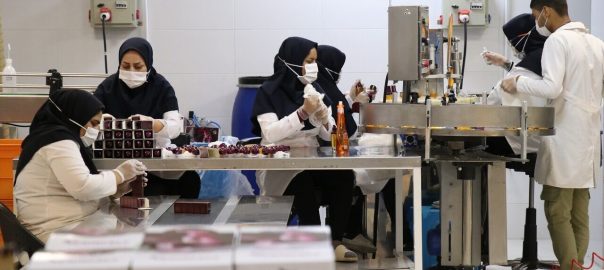
Medicine exports increase by 19%

In the first half of the current Iranian year that started on March 20, the country has exported medicines worth $104.6 million, an increase of 19.7 percent year on year.

The exports amounted to 49,400 tons in volume, showing 15 percent increase compared to the same period last year, according to the Islamic Republic of Iran’s Customs Administration.

Some 345 companies have been involved in producing medicines, supplements, and raw materials, as well as importing pharmaceuticals in the six-month period of time.

Pharmaceutical companies have imported a total of 54,800 tons of commodities worth 1.1 billion dollars, indicating a 3.76 percent decrease in amount and 4.5 percent increase in terms of value compared to the same period last year, IRNA reported.

FDA plans to increase medicine exports by 30%

In June, Seyyed Ali Maboudi, an official with the Food and Drug Administration (FDA), said the FDA is developing a plan to increase pharmaceutical exports by 30 percent in the mid-term.

“In the past years, medicine exports in Iran accounted for a small share of non-oil exports. However, over the past year, it experienced a growing trend,” IRNA quoted Maboudi as saying.

The official went on to point out that the exports of raw materials and pharmaceutical products over the past Iranian calendar year (March 2023-March 2024) were valued at more than 100 million dollars.
“The Food and Drug Administration is planning to double the medicine exports in the short term and tenfold in the long term,” the official added.

Given the impacts of drugs on the health of society in all countries, they are one of the most complicated types of goods to export as they require registration and quality approvals in each destination country, Maboudi stressed.

Knowledge-based companies manufacturing medications

Some 600 medical equipment companies are active in the country, producing around 99 percent of the medicine supplied to the domestic market. Medical equipment manufacturers in the country produce and supply over 10,000 types of medical equipment to domestic and foreign markets. Now, various pieces of laboratory equipment are manufactured at prices much lower than the same foreign products.

Iranian knowledge-based companies have succeeded in producing recombinant drugs which are mainly used for treating hard-to-treat diseases such as cancers, MS, hemophilia, and viral diseases.

Medical equipment worth around $20 million is exported to more than 60 countries annually, according to Iran’s Union of Medical Equipment Manufacturers and Exporters.

More than 70 percent of medical equipment and 100 percent of normal hospital beds are domestically made.

Also, over 95 percent of specific ICU and CCU beds and more than 85 percent of operating room medical equipment such as anesthesia machines and other equipment are manufactured with cutting-edge technology in the country.

Over 60 countries import Iranian medical equipment

On January 13, the head of Iran’s Union of Medical Equipment Manufacturers and Exporters said that medical equipment worth around $20 million is exported to more than 60 countries annually.

More than 70 percent of medical equipment and 100 percent of normal hospital beds are domestically made, IRNA quoted Abdolreza Yaqoubzadeh as saying.

Also, over 95 percent of specific ICU and CCU beds and more than 85 percent of operating room medical equipment such as anesthesia machines and other equipment are manufactured with cutting-edge technology in the country, he added.

Yaqoubzadeh went on to say that the country’s need for medical equipment production is three to four billion dollars per year, some one billion dollars of which is imported. /T.T/

Tehran to play host to Iran smart city intl. conference

The fifth international conference of Iran smart city will be held from October 28 to 30 in Tehran. The conference will focus on different topics including smart economy, smart life, smart governance, smart environment, smart transport, and smart transformation.

A smart city is the key to achieving a smart society and sustainable development. Transferring global experiences and exchanging knowledge and expertise can facilitate and accelerate the movement towards the creation of smart cities.

The conference will be held with various, high-quality programs and the attendance of domestic and foreign experts as well as practitioners with the aim of providing a proper interaction between smart city agents, city managers, industrialists, experts, and knowledge-based centers to complete the smart city puzzle in the country.

World Cities Day

World Cities Day is celebrated annually on 31 October. It aims to create awareness of the role of urbanization in global sustainable development and social inclusion.

The UN General Assembly (UNGA) declared the Day to promote interest in global urbanization and encourage cooperation among countries in addressing the challenges of urbanization and contributing to sustainable urban development around the world.

The Day takes place during Urban October, which the UN Human Settlements Programme (UN-HABITAT) launched in 2014 to emphasize the world’s urban challenges and engage the international community on the New Urban Agenda (NUA), which highlights inclusive cities. Urbanization offers opportunities for new forms of social inclusion, including greater equality, access to services and new opportunities, and engagement and mobilization. /T.T/

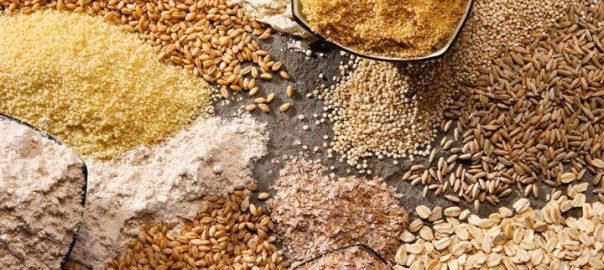
Iran exports $6 bn agricultural products annual: official

The director general of the Commercial Office of Iran’s Ministry of Agriculture says that $6 billion of agricultural products are annually exported from the country.

Considering its high capacity in the field of grain production, Iran can become the hub of the region in this field in addition to developing trade and increasing the gross national product (GNP), Shahyad Abnar stated.

Speaking in the 4th edition of the international conference of “Iran Grain”, he added that Iran’s capacity to export agricultural and food products is unique.

He put the capacity of the flour processing industry at 30 million tons, adding that this high capacity, in addition to meeting the domestic demand, can also meet the demand of neighboring states.

He put the annual export of agricultural products from the country at $6 billion.

Elsewhere in his remarks, Abnar said the private sector plays a leading role in the food industry and called on responsible officials in the current administration to remove trade barriers in this industry.

MNA/

Iran 99% self-sufficient in manufacturing gas transmission equipment

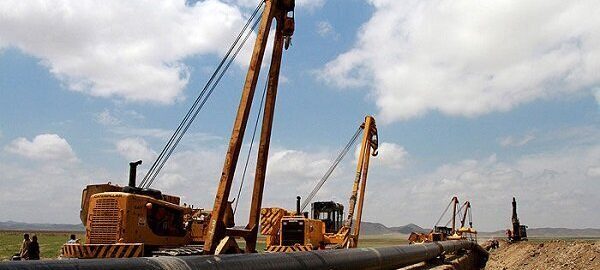
The head of National Iranian Gas Transmission Company (NIGTC) has said that 99 percent of the country’s gas transmission equipment and facilities are domestically-made, noting that the country’s gas industry is on the verge of complete self-sufficiency.

Gholam-Abbas Hosseini put the area of the country’s high-pressure gas network at 40,000 kilometers and stressed the significant role of the NIGTC employees in maintaining and development the mentioned network./ T.T/