All posts by islam

Iranian girl Parmida Azadian finishes first at UNESCO center art competition

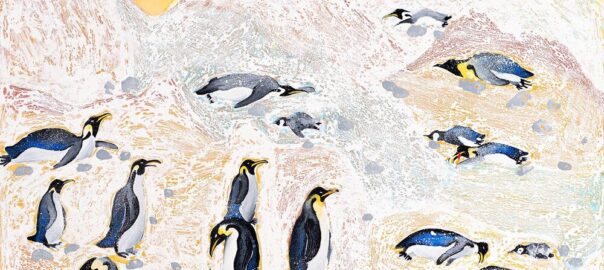
Eleven-year-old Iranian girl Parmida Azadian has won first prize at the International Visual Art Competition 2020 in Troyes, France.

Parmida, a member of the Institute for Intellectual Development of Children and Young Adults (IIDCYA – Kanoon), received the prize in the category dedicated to children aged between 10 and 13, the institute announced on Sunday.

Faranak Purali, Ava Kowsari, Mohammadreza Rezai, Milad Sadeqi, Mohammad-Hassan Hasheminejad, Kiandokht Azizi, Rojan Marjani, Parnia Azami, Baran Qaderi-rad, Sarina Rabi Hamedani, Zahra Javaheri and Chida Qorbani, all of whom are the members of Kanoon branch offices across Iran, were awarded diplomas of honor.

The International Visual Arts Competition is open to everyone from 3 to 25 years old.

First prize in the 3-5 category was given to Cheuk Nam Li from China, while Elyn Han from Canada took first place in the 6-9 competition.

Nada Gougou from France received the top prize in the 14-17 category and Ling Joo Yee from Malaysia received first prize in the 18-25 category.

The top award in the medio-social category was given to Fiorenza Geretta Musiris from Peru.

The Louis François Center for UNESCO and the World Art Institute of Youth – Centre for UNESCO (Imaj) organize the competition to promote the practice of art among children and young people around the world in the hope of uniting them through an international activity.

The World Art Institute of Youth – Centre for UNESCO (Imaj) has assigned itself the task of giving children and youth a place in the memory of mankind.

The center archives all participants’ artistic creations inside its artothèque (art library), “Memories of the Future”.

All submissions remain the property of the center, which reserves the right to use the creations for all practical purposes within the framework of its activities.

The theme of this year’s competition is “The landscape that I love, the nature I must preserve”. /T.T/
TUMS hosts students from 48 different countries

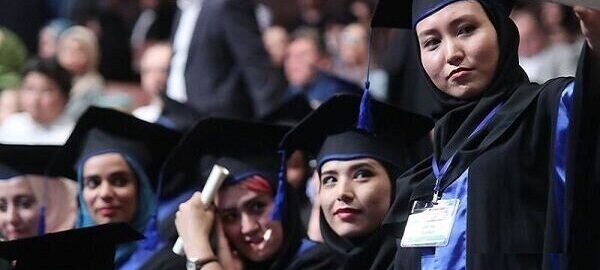
Tehran University of Medical Sciences (TUMS) hosts students from 48 different countries, according to the Vice-Chancellor for Education of the International Campus of the university.

Seyed Mehdi Rezayat said that students from different countries such as Iraq, Afghanistan, Pakistan, India, Nigeria, Ethiopia, Lebanon, Palestine and Gambia are studying in the university.

Pointing out that currently, 1,340 foreign students are studying in 13 faculties of TUMS, Rezayat cited, “We have foreign students in all levels, including bachelor’s, master’s, general and specialized doctorates and fellowships in the university.”

The University seeks to expand the enrollments of foreign students, especially from across South America and Europe, according to him. /MNA/

Foreign investment in industry, mining, trade sectors up nearly 136%

The Ministry of Industry, Mining, and Trade has approved 129 foreign investment projects valued at about $3.485 billion in the first 10 months of the current Iranian calendar year (March 21, 2021-January 20, 2022), which indicates a 135.9 percent rise compared to the same period of time in the past year.

The data released by the ministry show that 104 foreign investment projects valued at about $1.477 billion had been approved in the first 10 months of the previous year.

As reported, the number of the investment projects approved in the mentioned 10 months has also increased by 24 percent in comparison to the figure for the last year’s same period.

Approved foreign investment includes all applications, including investment to create new projects, purchase of shares of existing companies, as well as foreign investment in the form of contractual arrangements.

The ministry had approved 74 foreign investment projects valued at about $2.227 billion in the first half of the present year (March 21-September 22, 2021).

A total of 113 foreign investment projects valued at $2.614 billion were approved in the country during the mentioned period, of which the share of the industry, mining, and trade sector was 65 percent and 85 percent in terms of number and value, respectively.

Back in December 2021, Head of Iran’s Planning and Budget Organization (PBO) Masoud Mirkazemi said the government has it on the agenda to remove the barriers in the way of attracting foreign investment.

Stressing the need for the attraction of domestic and foreign investment to achieve a targeted eight-percent economic growth, Mirkazemi said: “barriers to attracting foreign investment will be removed.”

Speaking in a gathering of Iranian ambassadors to neighboring countries, the official said with the new changes applied to the budget structure, the duties of Iranian ambassadors in other countries have become heavier.

According to the official, economic growth of eight percent has been one of the goals of the Sixth National Development Plan (2016-2021) and also become the focus of the 13th government’s major economic programs. /T.T/


Iran’s men’s compound win gold at World Archery Para Championships

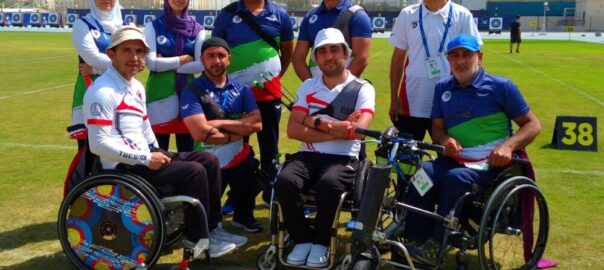
Iran’s men’s compound team claimed a gold medal at the 2022 World Archery Para Championships. In the compound open final, Iran’s Ramezan Biabani and Hadi Nouri defeated Australia 145-143 to become this year’s champion whilst Slovakia beat France 150-141 to take bronze.

The women’s event saw Turkey keep their composure to win 150-149 against Russian Archery Federation.

After being tied 148-148 at the end of the match, Iran’s Maryam Yavarpour and Farzaneh Asgari succeeded 20-19 in a shoot-off against Britain to secure the bronze medal.

Iran’s men’s recurve team had previously qualified for the final match.

Gholamreza Rahimi and Asghar Zarei Nejad defeated Turkey 5-3 in the semifinals and will face Britain in the final match on Sunday.

A total of 223 archers from 40 nations compete in the championships in the United Arab Emirates. The event started on Feb. 22 in Dubai, and will finish on Feb. 27. / T.T/

Busan International Short FilmFest. to host ‘Adjustment’

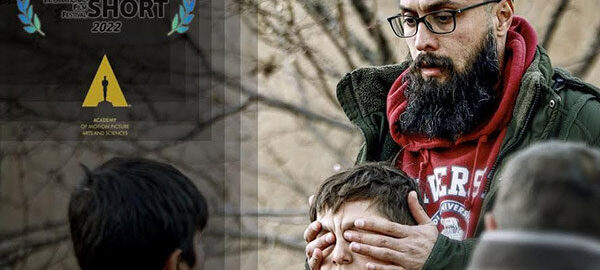
Iranian short film “Adjustment”, by Mehrdad Hassani is scheduled to take part in the 39th Busan International Short Film Festival 2022 in South Korea.

Directed by Mehrdad Hassani and produced by Hassan Mohammadi, the Iranian short film “Adjustment”, will take part in the 39th Busan International Short Film Festival.

The festival will take place from April 27th until May 2nd, 2022 hosted by Busan, South Korea.

The film is about a child called “Shahrukh” who tries to adapt himself to the truth within him.

The Busan International Short Film Festival (BISFF) has been the hub of East Asian short films since 1980, introducing different short films around the world.

The festival aims to discover and introduce distinctive short films to the whole world. Busan Festival is approved by the world’s prestigious film academies. This year, 2,548 films from 111 countries were registered in the International section of the festival. /MNA/

$185m allotted to provide housing for the deprived

A total of 50 trillion rials (nearly $185 million) has been proposed to provide housing for the deprived in the budget bill for the next [Iranian calendar] year (starting March 21), member of the Majlis (Iranian Parliament) has said.

The amount of 400 trillion rials (nearly $1.5 billion) from the oil revenues has been predicted for the implementation of the “housing plan”, IRNA quoted Rahim Zareh as saying on Saturday.

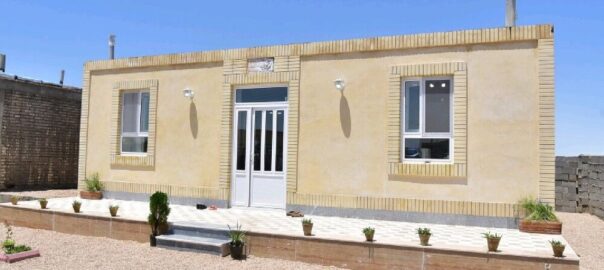
The construction of 90,000 housing units has been entrusted to the Imam Khomeini Relief Foundation under the “housing plan”, he added.

President Ebrahim Raisi submitted the administration’s draft of the national budget bill for the next Iranian calendar year 1401, to the Majlis on December 12. The proposed budget amounted to about 36.31 quadrillion rials (about $123 billion).

Supplying basic goods, treatment, and medical equipment; securing livelihood; supporting production and employment; promoting and supporting non-oil exports and knowledge-based companies are the focal points of the bill.

The Imam Khomeini Relief Foundation has constructed 6,576 housing units and delivered them to financially-struggling rural residents over the first six months of the current [Iranian calendar] year (March 21-September 23, 2021).

The Foundation also plans to build 360,000 housing units over the next four years.

The project will start next year and 90,000 houses will be built for the deprived annually, 60,000 of which will be built in cities and 30,000 in villages. /T.T/

Chaharmahal-Bakhtiari wetlands hosting 80 species of birds

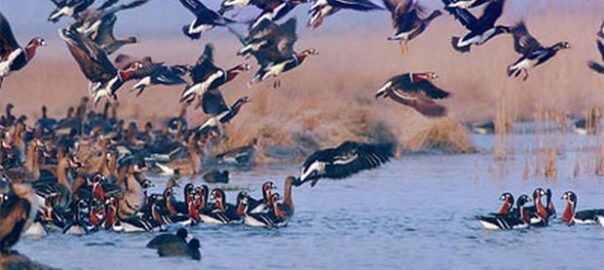
Some 80 species of migratory birds have come to winter in wetlands of the southwestern Chaharmahal-Bakhtiari province, Shahram Ahmadi, the provincial department of environment chief, has stated.

Currently, about 90,000 aquatic bird species are inhabiting in Choghakhor, Gandoman, Solqan, and Aliabad wetlands, he said.

According to Ahmadi, about 140,000 birds migrated to Chaharmahal-Bakhtiari wetlands this year, and with the freezing of Gandoman and Choghakhor wetlands, more than 50,000 moved to the southern regions of the country and the shores of the Persian Gulf.

These birds are from the family of storks, white and brown herons, ducks, Eurasian teal, egrets, flamingos, Grebes, coots, Bitterns, northern lapwing, gulls, and terns, he explained, IRIB reported on Saturday.

Gandoman wetland, stretching to 1,070 hectares, is located in Borujen county. It is one of Iran’s top five birdwatching sites and the country’s most important permanent habitat for migratory birds.

Located in Chaharmahal-Bakhtiari province, Choghakhor wetland is flowing on 1687 hectares, being designated as a hunting restricted area. It is also a birdwatching site that supports more than 47 bird species, with breeding populations of migratory birds such as the Northern Pintail (Anas acuta).

It supports more than 1 percent of the population of Gadwall (Anas strepera) and harbors threatened species such as the endangered White-headed Duck (Oxyura leucocephala) and the vulnerable Eastern Imperial Eagle (Aquila heliaca).

Unique birdwatching sites in Iran

Iran is decorated with impressive wetlands that hold a great share of aquatic and bird species and wildlife. Anzali wetland, Qeshm Island, Urmia Lake, and Miankaleh Peninsula are among the most important locations for bird watching in Iran.

Miankaleh International Wetland in Mazandaran, called the birdwatching paradise of Iran, stretches to a total area of 68,000 hectares, which is home to at least 130 species of migratory species with a population of 1.5 million.

Being an impressive bird-watching destination, the wetland displays a variety of bird species such as otters, all kinds of fish-eating ducks (common goldeneye and Mergus), pelicans, flamingos, and cormorants, common pheasants, partridges, mute swan, tundra swan, and coots. Ashuradeh was introduced and registered as one of the world’s first biosphere zones in 1975.

Gomishan wetland in Golestan province is home to over 20,000 water birds, and more than 20 species of birds, which supports three IUCN Red List vulnerable species of waterbirds, i.e., Pelecanus Crispus, Aythya nyroca, and Vanellus gregarious, as well as the vulnerable mammal Phoca (Pusa) caspica; it is also an important staging area for the fish subspecies Rutilus rutilus caspicas.

Located at the foot of the Zagros mountains in north-western Iran, Zarivar is a freshwater wetland hosting over 74 bird species, which is designated as a Ramsar Site.

The site provides a suitable breeding and resting place for birds and other wetland animals, and due to the relatively extensive reed beds, it is an important overwintering site for northern migratory birds. / T.T/

Iran ready to transfer technical knowledge to Africa: Raeisi

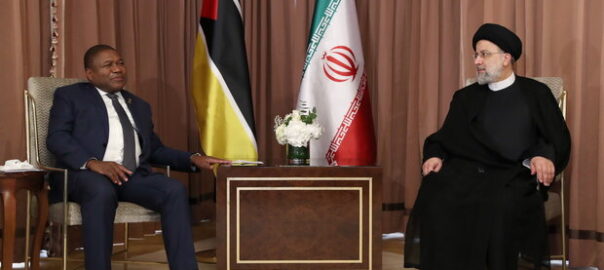
The Iranian president Ebrahim Raeisi said Tuesday that Tehran seeks to expand its relations with the African countries, expressing Tehran’s readiness to transfer technical knowledge to African countries.

In a meeting with the President of Mozambique Filipe Nyusi on Tuesday afternoon on the sidelines of the 6th GECF Summit in Doha, Ayatollah Seyyed Ebrahim Raeisi expressed his satisfaction with his remarks on the successful results of his country’s development programs and said, “In the view of the Islamic Republic of Iran, African countries are lands full of talents and rich resources, which have unfortunately been plundered by Western countries for the past few centuries.”

Pointing out that the Islamic Republic of Iran has always believed that African countries have hard-working people and significant reserves and their people are talented for growth and development, Raeisi added, “The 13th Administration is ready to expand trade and economic cooperation with African countries, especially Mozambique, and the transfer of experience and technical knowledge to these countries.”

After the victory of the Islamic Revolution, we have always had good relations with African countries, he said, adding, “I urge the Minister of Foreign Affairs to prepare the ground for holding the joint economic cooperation commission as soon as possible so that the process of the development of interaction between the two countries can be accelerated.”

“Western countries want Africa for themselves, but we want you for yourself,” the Iranian president said, adding, “Western countries and world’s hegemonic powers are only seeking to misuse the resources of African countries. If this is not the case, what other meaning and reason could the Zionist Regime’s attempt to join the African Union have?”

Stating that Westerners and Americans pursued only their own interests and did not take steps to develop those countries wherever they went, he said, “The rise of insecurity and the activities of terrorist groups in recent years in some African countries has roots in Western and American meddling. The confession of former US officials to the formation of ISIL by this country is proof of this claim.”

At the meeting, the President of Mozambique Filipe Nyusi expressed his country’s interest in deepening relations with the Islamic Republic of Iran, saying, “We have a lot of natural resources that we can use for the benefit of the Mozambican people and for development with the help of the technical capabilities of Iranian experts,” said Mozambican President.

The President of Mozambique stated that one of the serious problems in the development of his country is the spread of insecurity and terrorism, which is mainly directed and controlled from outside the borders of this country. /MNA/


200-million-year-old coral reefs transported to Iran museum

Collections of 200-million-year-old coral reefs and Bivalvia species have been transferred to the geological museum of Tabas Geopark, a local tourism official has announced.

A new fossil site within the geopark has recently revealed corals and Bivalvia species dating back to 205 to 220 million years ago, CHTN quoted Gholam-Hossein Shoeibi as saying on Tuesday.

A team of experts visited the southern areas of the Geopark recently and found these fossils, which are extremely rare and valuable, the official added.

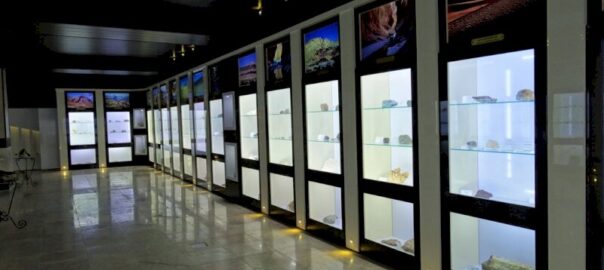
The Tabas Earth Heritage Museum, which houses 600 specimens of various types of rocks, minerals, and fossils, has attracted many people interested in the topic, he noted.

Covering an area of 200 square meters, the museum displays minerals, stones, and fossils from all over the world, he mentioned.

Sprawled in the eastern province of South Khorasan, Tabas Geopark includes some 50 geo-sites, a variety of scenic landscapes, and untouched terrains with the mysterious Kal-e Jeni (canyon of Jinn) located in Azmighan village, amongst them.

Tabas Geopark, which is situated in a vast county of the same name, has enormous potential to be registered as “the biggest” geopark in the West Asia region.

In recent years, Iran has sought UNESCO recognition for the geopark as one of the UNESCO Global Geoparks (UGGp).

A geopark is a unified area that advances the protection and use of geological heritage in a sustainable way and promotes the economic well-being of the people who live there. A UNESCO definition of the global geopark is a unified area with a geological heritage of international significance. Geoparks use that heritage to promote awareness of key issues facing society in the context of our dynamic planet.

Geoparks usually promote awareness of geological hazards, including volcanoes, earthquakes, and tsunamis and many help prepare disaster mitigation strategies with local communities. Geoparks embody records of past climate changes and are indicators of current climate changes as well. /T.T/


Iran’s women move one place up FIBA ranking

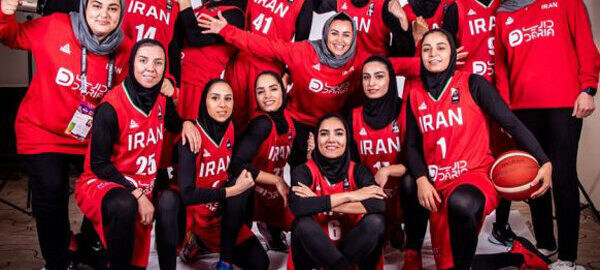
Iran’s women’s basketball team moved up one place at the latest FIBA World Ranking.Iran have moved up one place to 77th.

While the top four teams remain unchanged, with the U.S. still having the No. 1 spot, followed by Spain, Australia and Canada, Belgium have leapfrogged France into the No.5 position on the strength of resounding victories over Puerto Rico and Russia in the World Cup Qualifying Tournament in Washington.

In the current system of ranking, all games matter.

The French dropped a place to No. 6 after suffering defeats in two of their games at the World Cup Qualifying Tournament in Belgrade. /T.T/