
An inside look at Gorgan’s tribal festival
Published: December 15, 2025
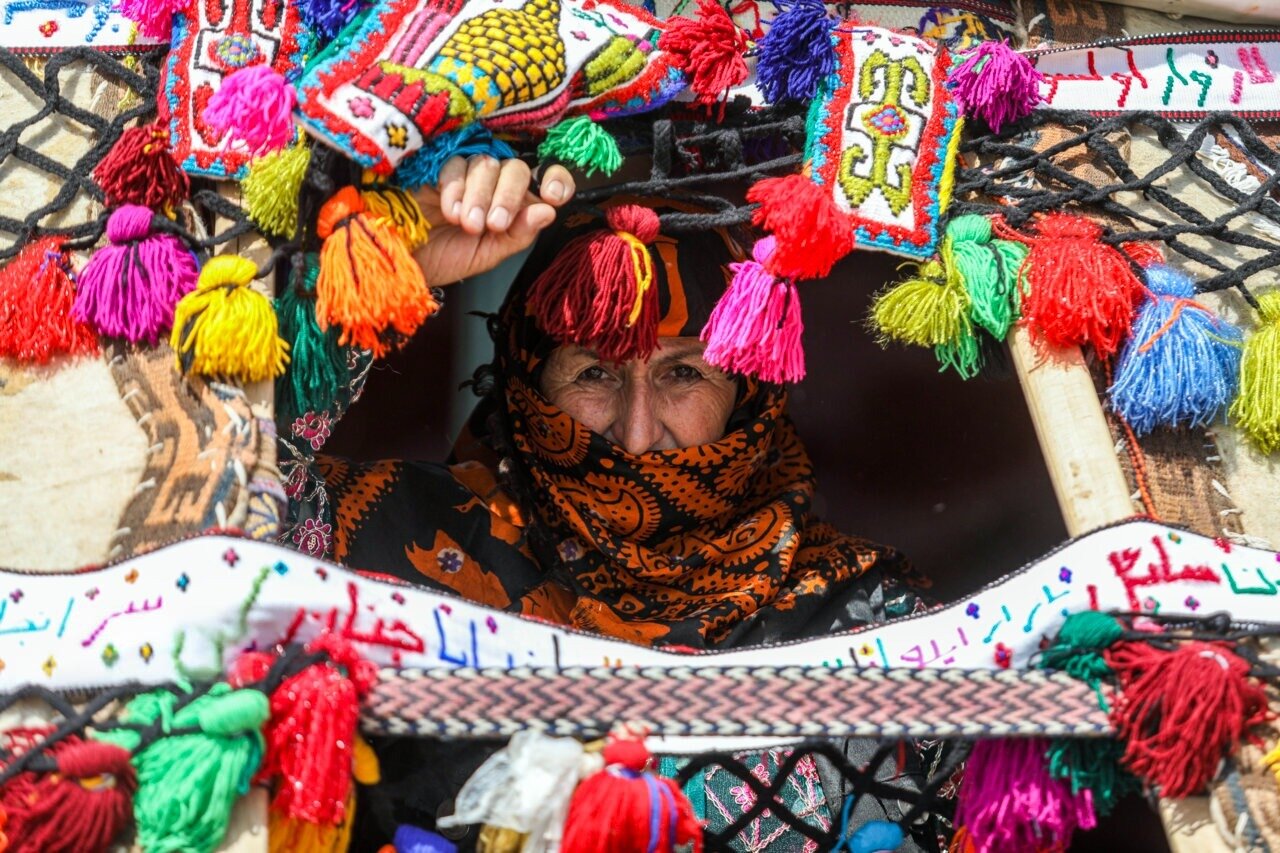
The 17th International Festival of Tribal Culture, scheduled to take place in Gorgan, the capital of Iran’s Golestan province, from Dec. 16 to 19, is often described as a celebration. But to see it only as a cultural event is to miss its deeper significance.
Over the years, the festival has become a quiet but effective instrument for tourism development, economic activity, and cultural diplomacy. It may even be a revealing lens through which to view how Iran negotiates identity at home and engagement abroad.
The scale of participation alone sets the event apart. Artists, ritual performers and handicraft makers from across Iran, alongside guests from neighboring countries, transform Gorgan into a temporary crossroads of cultures. Through sustained hosting, the city has positioned itself as a rare, semi-permanent stage for the public presentation of Iran’s ethnic diversity — a role few cities in the country have assumed so consistently.
What makes the festival particularly consequential is the way it challenges simplified or stereotypical portrayals of Iran’s ethnic groups. In an era when media representations often flatten cultural difference, the festival offers a direct encounter with lived traditions: music performed rather than archived, rituals enacted rather than described, and customs practiced rather than curated. This immediacy does more than entertain; it reshapes public understanding and reinforces a shared national fabric built on diversity rather than uniformity.
There is also a clear economic logic at work. According to Golestan’s tourism chief, Fereydoun Fa’ali, this year’s festival will feature more than 80 handicrafts booths from across the country and about 50 representing local artisans. For many of these makers, such events are not symbolic gestures but practical lifelines — rare opportunities to reach new buyers, test markets and sustain small-scale livelihoods that struggle to survive outside seasonal tourism cycles.
The festival’s international reach adds another layer of meaning. With participants from Central Asia, Turkey, Pakistan and Afghanistan, and several evenings dedicated specifically to Central Asian cultures, the event functions as a modest but effective exercise in cultural diplomacy. At a time when formal political channels are often strained, shared heritage becomes a language of engagement, positioning Golestan as a cultural bridge between Iran and its broader neighborhood.
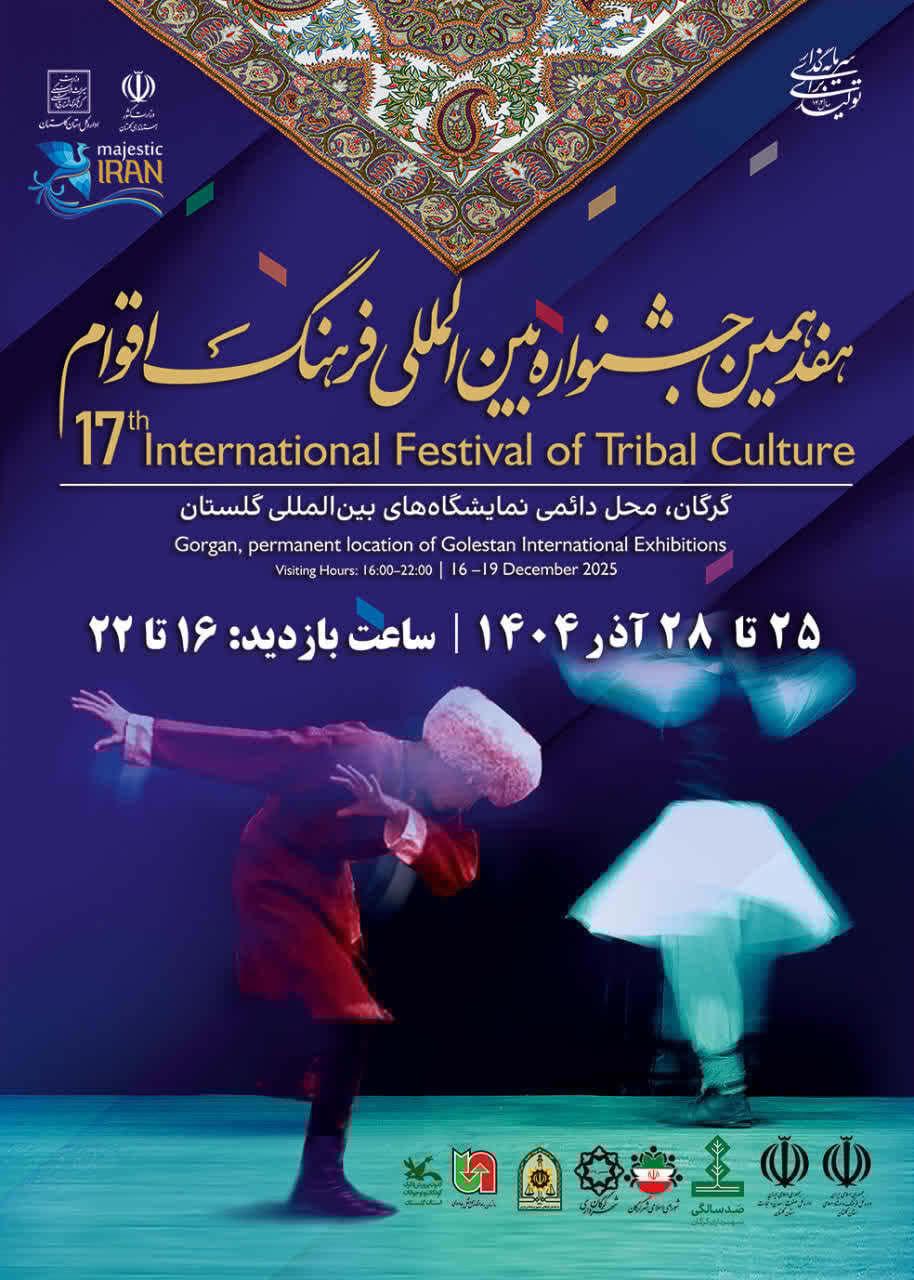
Tourism, too, is inseparable from this equation. Held during the autumn and winter travel season, the festival draws visitors from across the country, many of whom extend their trips to explore Golestan’s natural landscapes and historical sites. Side programs such as guided tours, supported by local officials, deepen this impact by encouraging longer stays and broader economic circulation.
Beyond numbers and markets, the festival performs a subtler task: transmitting cultural memory. Ritual dances, indigenous music, local cuisines and traditional dress are not staged as nostalgic artifacts, but presented as living practices. For younger Iranians in particular, this encounter can turn abstract notions of “intangible heritage” into something immediate and personal.
Handicrafts sit at the center of this cultural economy. Direct sales, connections with bulk buyers and even informal export opportunities regularly emerge from the festival, with many artisans reporting sustained benefits long after it ends. In that sense, the event offers a compelling reminder that culture, when treated as a living system rather than a decorative asset, can generate both meaning and material value.
Taken together, Gorgan’s Tribal Culture Festival suggests a broader lesson. Culture, often relegated to the margins of policy, can function as infrastructure — supporting tourism, shaping identity and enabling dialogue across borders as a form of soft power.
Source: TEHRAN TIMES