
Guardians of strength and sacrifice
Published: April 8, 2026
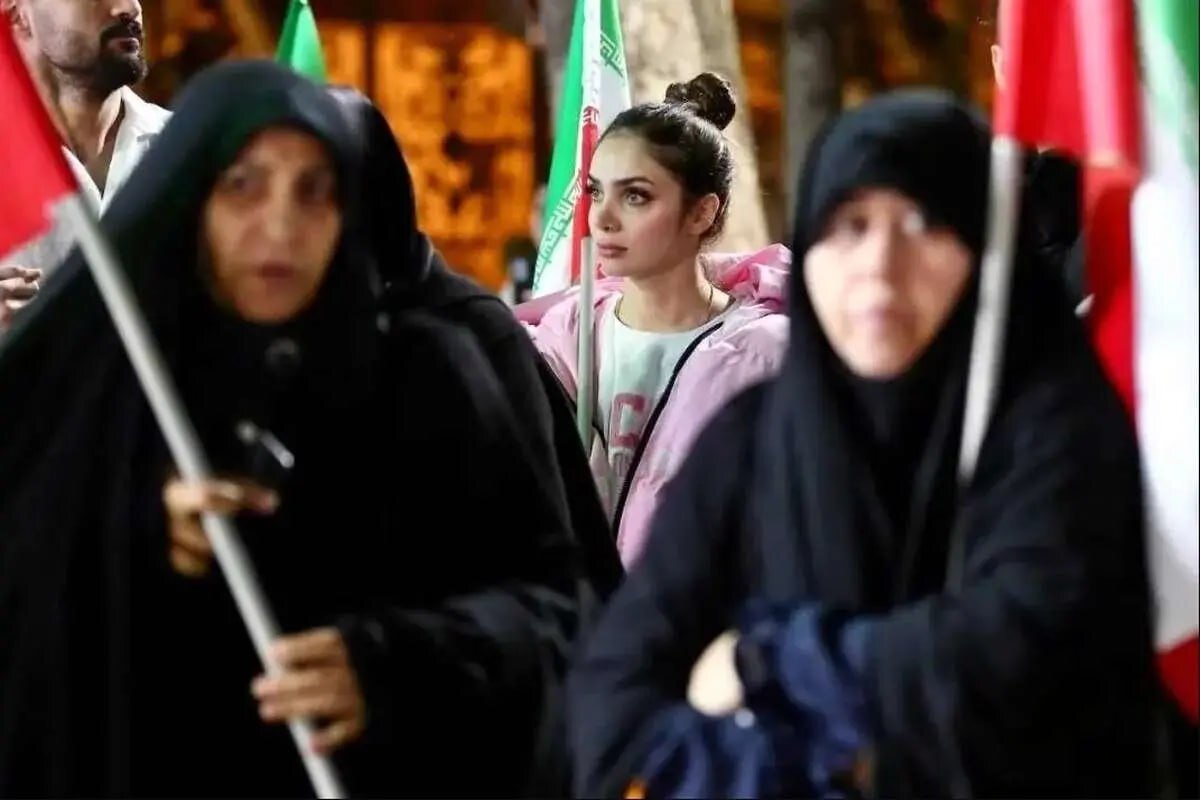
TEHRAN – From early moments of the war, women and girls have borne a growing share of its human cost. Hundreds have been killed, injured, or displaced in consecutive airstrikes including the one in Minab, where more than 165 young schoolgirls between the ages of seven and twelve lost their lives.
Yet, to view Iranian women solely through the lens of victimhood would be to overlook the breadth and depth of their contributions. This war is not fought exclusively on the battlefield; it is equally waged in hospitals, factories, schools, offices, and homes. Across all these arenas, women have stepped into roles that, historically, were often restricted or under-recognized.
On the home front, the burdens carried by women are immense and multifaceted. Many are raising children, managing households, and supporting extended families in the absence of husbands, fathers, or sons who are either at the frontlines or otherwise engaged in the war effort. These responsibilities require not only endurance but also ingenuity. In countless homes, women have become the anchors of stability, preserving a sense of normalcy amid disruption.
Equally critical, though less visible, is the role women have played in maintaining social cohesion and psychological resilience. In what can be described as a parallel “media war,” women have been at the forefront of countering fear, rumor, and disinformation. Through both formal and informal channels, ranging from professional media work to everyday communication within communities, they have contributed to a narrative of calm and continuity. Their efforts have been instrumental in neutralizing enemy’s attempts to sew panic and unrest.
The symbolic dimension of women’s participation is also noteworthy. In public gatherings and demonstrations across cities such as Tehran, Isfahan, Shiraz, Yazd and Mashhad, women have also a great share, some adhering to traditional dress codes, others without headscarves, yet united in their expression of national solidarity. Many carry Iranian national flags, as well as images of their assassinated Leader and commanders. Their presence sends a strong message: that internal differences, including those related to social and cultural issues, are secondary to the defense of national sovereignty.
This unity has, in many ways, disrupted external expectations. Part of the strategic calculation behind the war, as perceived by observers within Iran, was the assumption that sustained pressure would lead to internal fragmentation, forming in public unrest or a breakdown of social order. Instead, what has emerged is a form of cohesion that transcends existing threats.
Another most visible contributions have come in the field of healthcare. Thousands of women serve as nurses, doctors, and support staff, working under immense pressure to care for wounded soldiers and civilians alike. Their work is not limited to physical healing; it extends to emotional and psychological support, often provided in conditions of fatigue and uncertainty. In many cases, these women have become the backbone of emergency medical response, ensuring continuity of care even as infrastructure is strained.
Moreover, psychologists, many of them women, have been actively engaged in strengthening public resilience. Through counseling, outreach programs, and community initiatives, they have sought to mitigate the psychological toll of war, helping individuals and families cope with trauma, anxiety, and loss.
Parallel to this, women have assumed critical roles in sustaining the civilian economy. In factories, administrative offices, and small businesses, they have helped maintain production and services disrupted by war. At the household level, their role as managers of family resources has proven particularly significant. Despite fears of shortages, there have been no widespread reports of panic buying or so. Instead, many families have adhered to measured consumption, an outcome widely attributed to the caution and foresight of women overseeing domestic needs.
Even in spheres seemingly distant from conflict, such as sports, the imprint of this solidarity is evident. For example, members of Iran’s national women’s soccer team, who were in Australia when the war began, recognized enemy plots, aiming to force players into seeking asylum. Yet, all but two chose to return to Iran, rejecting the choice to remain abroad. Their decision, widely discussed in mass media, was interpreted as an act of loyalty and identification with the broader national experience.
Beyond the immediate violence, women are also confronting longer-term environmental and health consequences. The targeting of oil and gas infrastructure has led to pollution that poses serious risks, including reproductive complications. In this sense, the war extends into the future, shaping not only the present generation of women but potentially those yet to be born.
It is also important to take a closer look into the historical context of these developments. Over the past decades, Iranian women have undergone significant social transformation, gaining education, professional experience, and a more prominent role in public life. The current crisis has, in many ways, brought these capacities into sharper focus. The resilience, adaptability, and leadership displayed today are not spontaneous; they are the result of a long process of social evolution.
Tehran Times