
Lipar Wetland: Iran’s rare pink lake you must visit
Published: February 23, 2026
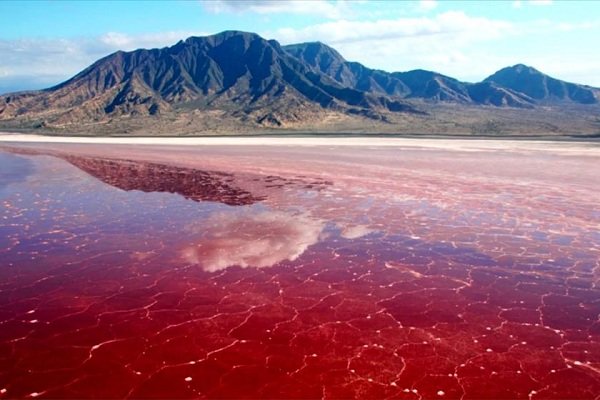
Most lakes and oceans around the world share familiar shades of blue and green. But in southeastern Iran, visitors encounter something rare — a naturally pink wetland.
Located near the coastal city of Chabahar, the Lipar Wetland stands out as one of Iran’s most unique natural attractions. Its soft pink color has turned it into a growing destination for domestic and international travelers.
Instead of asking why lakes are blue, visitors here often ask: How can water turn pink? And when is the best time to see it?
The name “Lipar” refers to the plain where the wetland is formed. In the local Baluchi language, Lipar describes the meeting point of river water and sea water, which is exactly how this wetland was created.
Lipar is a saline wetland located on an alluvial plain with an approximate area of 14 square kilometers. Its formation is influenced by rainfall, seasonal floods, and marine conditions. Human infrastructure, including the coastal road between Chabahar and Gawater, has also affected its current structure.
Importantly, the wetland is not permanently filled with water. Its existence depends heavily on monsoon rains and environmental conditions.

Why is the Lipar Wetland’s water pink?
The Pink Wetland of Chabahar gets its color from natural biological processes.
The pink hue is primarily caused by the presence of phytoplankton and ecological interactions within the water. Around 90% of the plankton species in the wetland are plant-based microorganisms.
Several factors contribute to the color:
High concentrations of organic and mineral materials carried by rivers
Seasonal marine currents influenced by monsoon winds
Rapid growth of phytoplankton populations
Plankton levels increase from mid-June to September and typically reach their peak around December. During these periods, the pink color becomes more visible.
The water is saline, which supports this ecological process.

When is the best time to visit Lipar Wetland?
Lipar Wetland is most visually striking during:
February
March
April
September
October
In these months, water levels and plankton density combine to produce the clearest pink appearance.
Summer is generally not ideal due to high temperatures and reduced water levels.
In favorable rainfall years, the wetland may retain sufficient water for approximately three to four months at best.
Therefore, the optimal visiting window is from mid-winter through spring — when both water presence and color intensity align.

How to reach Lipar Wetland
Address:
Near the village of Ramin, 15 km east of Chabahar, along the coastal road between Chabahar and Gawater
Province: Sistan and Baluchestan, Iran
Access is typically through Ramin Village, connected via the coastal highway.
The contrast between pink water and blue sky at the Lipar Wetland creates a surreal visual effect — a scene that once seemed possible only in imagination or animated films. Today, travelers no longer need to visit fantasy worlds to see such colors.
Travel to southeastern Iran offers access to rare ecological phenomena combined with nearby attractions such as mini-mountain formations and other natural sites in the Chabahar region. Exploring Lipar Wetland means experiencing one of the world’s few naturally pink aquatic ecosystems — hidden yet accessible.
MNA